
Unlocking Borders: The UK’s Bold New Tactic in the Fight Against Migrant Smuggling
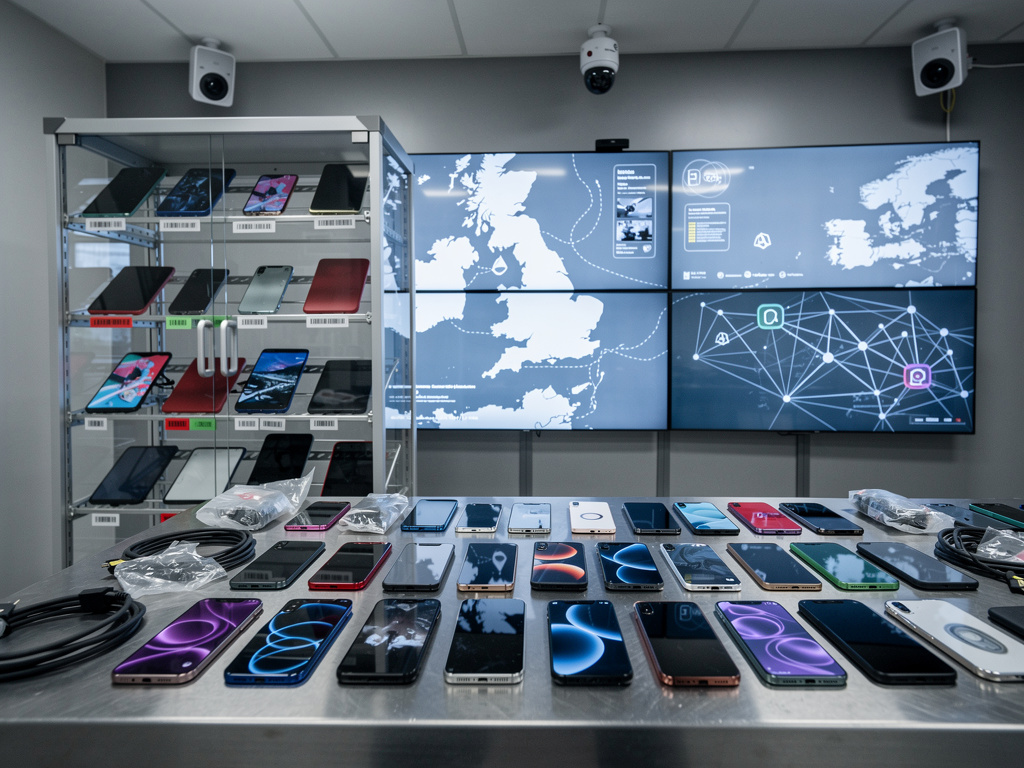
In the early hours of January 5, 2026, as dawn broke over the choppy waters of the English Channel, a new chapter in Britain’s immigration enforcement quietly unfolded. Border officials, armed with freshly enacted powers, began seizing mobile phones from arriving migrants without the need for arrests. This move, part of the Border Security, Asylum and Immigration Act passed in December 2025, aims to dismantle the networks of people-smugglers who orchestrate perilous small-boat crossings. The government touts it as a critical tool for gathering intelligence, but critics decry it as an overreach that tramples on privacy and human rights.
The policy’s rollout comes amid a surge in irregular migration, with official figures showing over 45,000 Channel crossings in 2025 alone. Under the new rules, officers can demand phones, SIM cards, and even conduct mouth searches for hidden devices from those processed at facilities like the Manston center in Kent. Refusal to comply could lead to penalties, including potential impacts on asylum claims. Proponents argue that examining call logs, messages, and social media will expose the shadowy figures profiting from human desperation, potentially saving lives by disrupting smuggling operations.
Yet, the initiative has ignited fierce debate. Campaigners warn of the psychological toll on vulnerable asylum seekers, many fleeing war or persecution, who now face the prospect of having their most personal data rifled through upon arrival. Legal experts question the balance between security needs and individual rights, pointing to potential violations of data protection laws and the risk of discriminatory application.
Emerging Tools in Immigration Enforcement
Drawing from reports in major outlets, the policy’s genesis traces back to years of escalating concerns over small-boat arrivals. According to a detailed account in BBC News, the government positions this as a intelligence-gathering boon, allowing investigators to trace contacts and payments linked to smuggling gangs without the bureaucratic hurdles of formal arrests. This echoes earlier, more clandestine efforts; as far back as 2022, the Home Office admitted to a secret phone-seizure practice that was later deemed unlawful by the High Court, as reported in posts on X and historical coverage.
Expanding on this, the new law also introduces penalties for supplying boat engines or other equipment used in crossings, broadening the net to target enablers on both sides of the Channel. Sky News highlighted how these measures integrate with wider crackdowns, including enhanced cooperation with French authorities to intercept vessels at source. Officials estimate that smuggling networks rake in millions annually, with migrants paying up to £5,000 per crossing, funds often coordinated via encrypted apps like WhatsApp.
Privacy advocates, however, see a darker side. The Guardian reported condemnations from groups like Amnesty International, who argue that mandatory device seizures could deter genuine refugees from seeking asylum, fearing exposure of sensitive information about family back home or political affiliations. This sentiment is echoed in recent X posts, where users express outrage over perceived double standards—citizens facing phone checks for minor infractions while migrants’ rights are ostensibly protected, only to be overridden in this context.
Balancing Security and Rights in Digital Age Border Control
Delving deeper, the technological implications are profound. Phones seized under these powers will undergo forensic analysis, potentially using AI-driven tools to sift through data for patterns indicative of organized crime. As detailed in The National, investigators can now access mobile contacts and social media histories to map out smuggling routes and identify key players, a tactic already employed in counter-terrorism but newly adapted to migration control.
This raises thorny questions about data handling. Under the UK’s General Data Protection Regulation (GDPR), such intrusions must be proportionate, yet the policy allows for broad discretion. Campaigners cited in The Standard warn of misuse, such as profiling based on ethnicity or religion, which could exacerbate tensions in an already polarized debate on immigration. Moreover, the policy’s focus on “economic migrants” versus asylum seekers blurs lines, potentially leading to blanket applications that overlook individual circumstances.
On the ground, implementation at processing centers like Manston has been swift. Daily Mail Online described how border guards are trained to conduct non-invasive searches, including for concealed SIM cards, with the goal of minimizing distress. Yet, anecdotal reports from X suggest growing unease among migrants, some of whom discard devices en route to avoid scrutiny, inadvertently complicating their own identity verification.
Global Contexts and Comparative Policies
Looking beyond the UK, this policy fits into a broader international trend of leveraging technology in border management. In the United States, Customs and Border Protection has long conducted device searches at entry points, often without warrants, a practice upheld by courts but criticized for overreach. Similarly, Australia’s Operation Sovereign Borders includes phone examinations to combat people-smuggling, yielding mixed results in deterrence.
In Europe, the UK’s approach contrasts with the EU’s Pact on Migration and Asylum, which emphasizes shared responsibility but shies away from such invasive measures. GB News noted in its coverage that while France assists in patrols, it has not adopted phone seizures, highlighting the UK’s more aggressive stance post-Brexit. This divergence could strain cross-Channel relations, as smugglers adapt by rerouting or using more sophisticated encryption.
Critics, drawing from X discussions, point to historical precedents like the 2022 High Court case where the Home Office’s secret seizures were exposed, forcing policy transparency. Today’s measures, while legalized, may face similar legal challenges; solicitors representing asylum seekers are already preparing cases, arguing breaches of the European Convention on Human Rights.
Technological Challenges and Ethical Dilemmas
At the heart of the policy is the intersection of technology and ethics. Modern smartphones hold vast troves of personal data—location histories, financial transactions, even health records. Seizing them without arrest lowers the threshold for state intrusion, potentially setting precedents for other areas like domestic policing. Perspective Media explored how the Border Security Act empowers not just Border Force but also police and crime investigators, expanding the scope to inland enforcement.
Innovation in forensics adds layers of complexity. Tools that crack encrypted devices, once reserved for high-stakes investigations, are now deployable here, raising concerns about data security breaches. If a migrant’s phone contains evidence of persecution, mishandling could endanger lives abroad. The Mirror reported government assurances that data will be handled sensitively, with deletions post-analysis, but skepticism persists amid past data scandals.
Furthermore, the policy’s effectiveness remains unproven. While officials claim it will “save lives” by disrupting gangs, experts like those from the Migration Observatory argue that root causes—poverty, conflict, and lack of legal routes—must be addressed. X posts reflect public division: some hail it as tough action, others label it “fascist,” underscoring societal rifts.
Impacts on Migrants and Broader Society
For migrants themselves, the human cost is immediate. Arriving exhausted and traumatized, many rely on phones for navigation, family contact, and evidence supporting asylum claims. Stripping these away, even temporarily, can isolate them further. Reports from MSN, aggregating wire services, detail how the policy targets small-boat arrivals specifically, exempting those entering via legal channels, which fuels accusations of bias against the most vulnerable.
Economically, the UK government invests heavily in this strategy, allocating millions to tech upgrades and training. Yet, if seizures yield few prosecutions, it could be seen as symbolic rather than substantive. International observers, including the UN High Commissioner for Refugees, have voiced concerns, urging safeguards to protect privacy.
Public opinion, as gauged from X, is polarized. Supporters view it as essential for national security, while detractors fear erosion of civil liberties that could extend to citizens. This tension mirrors broader debates on surveillance in democratic societies.
Future Trajectories in Policy Evolution
As the policy beds in, monitoring its outcomes will be crucial. Early indicators from January 2026 suggest a dip in crossings, though attribution is tricky amid winter weather. Home Secretary statements emphasize adaptability, with potential expansions to other devices like tablets.
Legal battles loom, with groups like Liberty preparing challenges. If successful, they could reshape the framework, demanding stricter oversight.
Ultimately, this initiative encapsulates the UK’s evolving approach to migration: tech-savvy, enforcement-focused, yet fraught with ethical pitfalls. As global mobility increases, such measures may proliferate, testing the limits of security versus humanity. In the coming months, the true measure of success will lie not just in disrupted gangs, but in preserved dignity for those seeking refuge.


 WebProNews is an iEntry Publication