
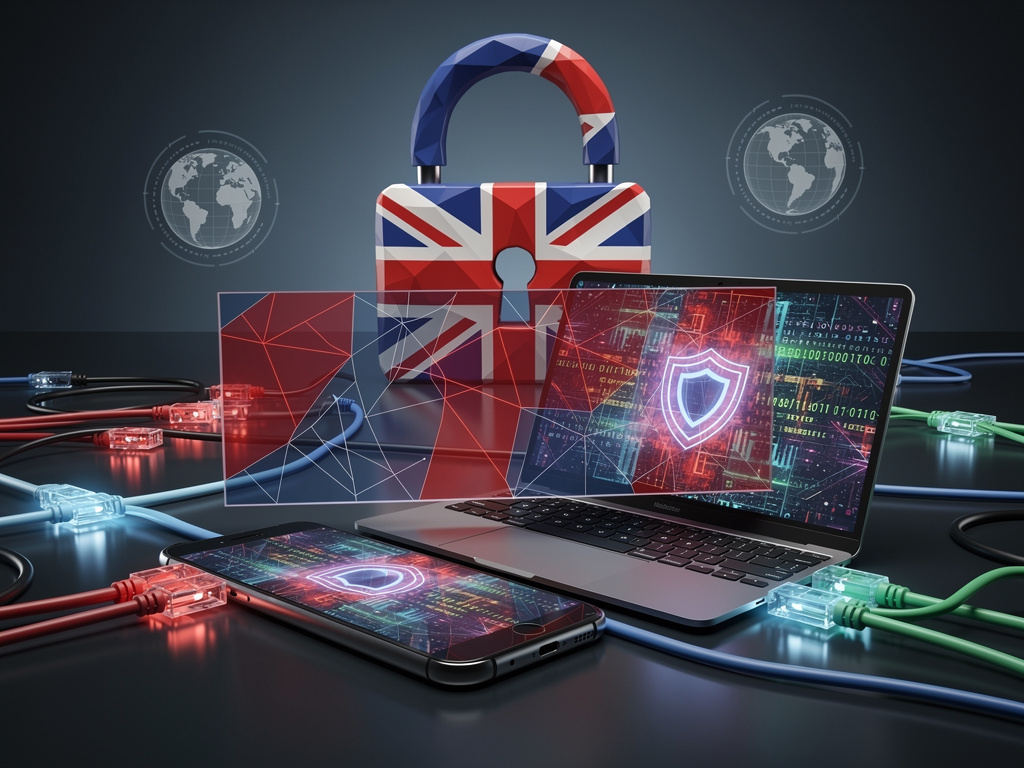
In the corridors of Britain’s upper legislative chamber, a proposal has emerged that could reshape how young people navigate the digital world. Members of the House of Lords have introduced an amendment to the Children’s Wellbeing and Schools Bill that seeks to prohibit virtual private network (VPN) services from being provided to anyone under 16 in the United Kingdom. This move, spearheaded by figures like Baroness Beeban Kidron, aims to close what proponents see as loopholes in existing online safety regulations, particularly those allowing minors to bypass age restrictions on social media and other platforms. The amendment would compel VPN providers to implement age verification measures, effectively gating their services behind checks that confirm a user’s age.
Critics, however, argue that this is a blunt instrument ill-suited to the nuances of technology and privacy. VPNs, tools originally designed for secure corporate communications, have become essential for everyday users seeking to protect their data from surveillance or access geo-restricted content. For children, especially those in vulnerable situations such as young LGBTQ+ individuals or those facing online harassment, VPNs offer a layer of anonymity that could be stripped away under this ban. The proposal comes amid a broader push for child protection online, following the implementation of the Online Safety Act, which already mandates platforms to shield minors from harmful content.
The debate in the Lords highlights a tension between safeguarding youth and preserving digital freedoms. Proponents claim that unrestricted VPN access enables children to evade parental controls and age gates, potentially exposing them to risks like inappropriate material or cyber threats. Yet, as reported in TechRadar, the amendment’s future remains uncertain, with experts questioning its enforceability and potential unintended consequences for privacy rights.
Emerging Debates on Enforcement and Feasibility
Enforcement poses one of the thorniest challenges. How would VPN providers, many of which operate globally, verify ages without infringing on user privacy? The amendment suggests methods like credit card checks or government-issued ID scans, but these could deter legitimate adult users and create barriers for international services. In a related discussion on Dropsafe, security expert Alec Muffett described the idea as “deranged,” pointing out that it pits national regulations against the borderless nature of the internet, where users can simply switch to unregulated or foreign VPNs.
Public reaction has been swift and polarized. Posts on X (formerly Twitter) reflect widespread skepticism, with users highlighting the irony of lawmakers pushing for VPN restrictions while many rely on them for secure parliamentary work. One thread noted a surge in VPN searches following similar UK online safety measures, underscoring how such policies often drive users toward workarounds rather than compliance. This sentiment echoes broader concerns about government overreach, as seen in Australia’s recent under-16 social media ban, which has faced criticism for its practicality.
Industry insiders warn that the proposal could stifle innovation in the VPN sector. Providers like ExpressVPN or NordVPN, which emphasize no-logs policies, might face compliance dilemmas that compromise their core offerings. According to insights from The Verge, the UK’s approach is part of a global trend where policymakers target VPNs to enforce age restrictions, but without addressing the root causes of online harms, such as inadequate platform moderation.
Privacy Implications for Young Users
At the heart of the controversy is the balance between child safety and privacy rights. Advocates for the ban, including some Liberal Democrat peers, have raised alarms about free VPNs exposing devices to viruses, as discussed in another TechRadar piece. They argue that unregulated VPNs could serve as gateways to malicious software, amplifying risks for impressionable users. However, this view overlooks the protective role VPNs play in encrypting traffic and shielding against data breaches, which are increasingly common in schools and homes.
For children in restrictive environments, VPNs are more than circumvention tools; they are lifelines. Consider scenarios where young people use them to access educational resources blocked by regional filters or to communicate safely amid family conflicts. The Electronic Frontier Foundation has critiqued similar initiatives worldwide, emphasizing that banning VPNs for minors ignores their utility in promoting free expression and could push users toward less secure alternatives, like unverified proxies.
Moreover, the proposal intersects with ongoing debates about data protection under the UK’s General Data Protection Regulation (GDPR). Requiring age verification for VPNs would necessitate collecting personal information, potentially creating vast databases vulnerable to hacks. As noted in discussions on Reddit’s ukpolitics subreddit, where a post about the Lords’ attempt garnered hundreds of comments, many users fear this is a step toward broader surveillance, eroding the anonymity that VPNs provide.
Global Contexts and Comparative Policies
Looking beyond the UK, the proposal draws parallels to Australia’s social media ban for those under 16, which went into effect recently and has sparked enforcement headaches. Australian officials have acknowledged that VPNs could undermine the law, leading to calls for similar restrictions. Yet, as covered in BBC News, critics argue that such measures are ineffective without international cooperation, as tech-savvy teens can easily reroute their connections through servers abroad.
In the US, similar concerns have surfaced, though no nationwide VPN ban for children exists. The EFF’s analysis points to state-level efforts to mandate age verification on websites, often circumvented by VPNs, highlighting a pattern where privacy tools become targets. This global push reflects a reactionary stance among policymakers, as evidenced by X posts from tech communities decrying the lack of evidence supporting VPN bans’ efficacy in protecting children.
The UK’s Children’s Commissioner has echoed calls for VPN age checks, labeling them a “loophole” in safety laws, per reports from Lexology. However, limited data on children’s VPN usage, as mentioned in Birmingham Live, suggests the problem may be overstated, with Baroness Liz Lloyd noting scant evidence to justify sweeping changes.
Technological Workarounds and Industry Responses
Inevitably, tech-savvy users will seek ways around any ban. Open-source VPN alternatives or browser extensions could proliferate, complicating enforcement. Industry experts predict a cat-and-mouse game, where providers adapt by offering family plans with built-in age controls or relocating operations to more lenient jurisdictions. This adaptability was evident in the 1400% spike in UK VPN searches after the Online Safety Act’s rollout, as referenced in various X discussions.
VPN companies are already voicing opposition. In statements to media, representatives argue that age-gating undermines the universal appeal of privacy tools. For instance, the proposal could force providers to abandon markets or face fines, disrupting services used by businesses and individuals alike. As TechRadar reported on the UK’s stance toward Australia’s model, Culture Secretary Lisa Nandy indicated openness to similar measures if proven effective, signaling potential escalation.
Broader implications extend to education and digital literacy. Schools might need to integrate lessons on safe VPN use, but a ban could hinder this, leaving children less prepared for online realities. Advocates like those from Reclaim The Net, active on X, stress that empowering parents with monitoring tools is preferable to prohibitive laws that infringe on rights.
Potential Legal and Ethical Hurdles
Legally, the amendment faces scrutiny under human rights frameworks. The European Convention on Human Rights, incorporated into UK law, protects privacy and expression, potentially clashing with mandatory age verification. Legal analyses suggest challenges could arise if the ban disproportionately affects marginalized groups, such as immigrant children using VPNs to connect with family overseas.
Ethically, the debate questions whether governments should dictate tool access based on age. Proponents frame it as child welfare, but detractors see it as paternalism that erodes trust in digital ecosystems. Recent X sentiment, including posts from tech journalists, portrays the Lords’ move as out of touch with modern technology, where VPNs are as commonplace as email.
Looking ahead, if the amendment advances, it could set precedents for other nations grappling with online safety. Yet, without robust evidence and stakeholder input, it risks becoming another failed attempt at digital control, much like past encryption backdoor proposals that faltered under expert backlash.
Voices from the Field and Future Trajectories
Interviews with cybersecurity professionals reveal deep concerns. One expert, speaking anonymously, likened the ban to “locking the door but leaving the window open,” as children could turn to peer-to-peer networks or homemade VPNs. This perspective aligns with findings from the House of Lords debates, where peers acknowledged the limitations of technology in fully safeguarding minors.
Parental advocacy groups are divided. Some support the measure for adding layers of protection, while others argue it shifts responsibility from platforms to users. In the wake of Australia’s ban, where enforcement relies on self-reporting, the UK might adopt hybrid models combining tech and education.
Ultimately, the proposal underscores a pivotal moment in digital governance. As nations tighten controls, the enduring value of VPNs in fostering secure, open internet access remains a counterpoint, urging a more nuanced approach that prioritizes innovation over restriction. With ongoing parliamentary scrutiny, the fate of this amendment could influence global standards for years to come.


 WebProNews is an iEntry Publication