
Actors’ Digital Defiance: Britain’s Performers Draw a Line Against AI Intrusion
In a resounding rebuke to the encroaching role of artificial intelligence in the entertainment industry, members of the UK’s Equity union have overwhelmingly voted to refuse digital body scans on film and TV sets. This decision, announced on December 18, 2025, marks a pivotal moment in the ongoing tension between creative professionals and technological advancements that threaten to commodify human likenesses. With a turnout exceeding 75% and more than 99% approval, the ballot signals a collective determination to safeguard performers’ rights amid fears that AI could replicate their images without consent or compensation.
The vote stems from growing concerns that digital scanning—used to create lifelike AI-generated replicas—could erode job opportunities and exploit artists’ intellectual property. Equity, representing over 50,000 performers, described the outcome as a “clear mandate” for industrial action if adequate protections aren’t implemented. This pushback echoes similar struggles in Hollywood, where the 2023 SAG-AFTRA strike highlighted AI’s potential to disrupt traditional acting roles. In the UK, the absence of robust regulations has amplified anxieties, prompting actors to take matters into their own hands.
Prominent figures like Hugh Bonneville, known for his roles in “Downton Abbey” and “Paddington,” have publicly endorsed the move, emphasizing the need for consent and fair pay. Bonneville’s support underscores the vote’s broad appeal, spanning established stars and emerging talents alike. As productions increasingly rely on visual effects and AI tools, this refusal could halt filming on major projects, forcing studios to negotiate or face disruptions.
Union Power and Industry Ripples
The ballot’s results were detailed in reports from various outlets, including a piece in The Guardian, which highlighted Equity’s readiness to “disrupt productions” unless AI safeguards are secured. This isn’t merely symbolic; the union has indicated it may escalate to full strikes if demands for contractual protections—such as veto rights over AI usage and revenue sharing from digital replicas—aren’t met. Industry insiders note that this could affect high-profile UK-based productions, from BBC dramas to international blockbusters filmed in studios like Pinewood.
On social media platforms like X, the sentiment is palpable. Posts from users, including actors and tech critics, reflect widespread support for the vote, with many drawing parallels to broader intellectual property battles. For instance, discussions emphasize how AI companies have trained models on vast datasets without compensating creators, fueling a narrative of “mass theft” of artistic work. This echoes earlier 2025 debates in the UK Parliament, where proposals to loosen copyright laws for AI training faced defeats in the House of Lords, as noted in posts by figures like Prem Sikka.
Comparisons to the US are inevitable. SAG-AFTRA’s 2023 agreement included clauses requiring consent for AI replicas, setting a precedent that Equity aims to emulate. Yet, the UK’s regulatory environment remains fragmented, with no comprehensive AI legislation akin to the EU’s AI Act. This vacuum has allowed practices like digital scanning to proliferate, often buried in fine-print contracts that actors feel pressured to sign.
Technological Tensions and Ethical Dilemmas
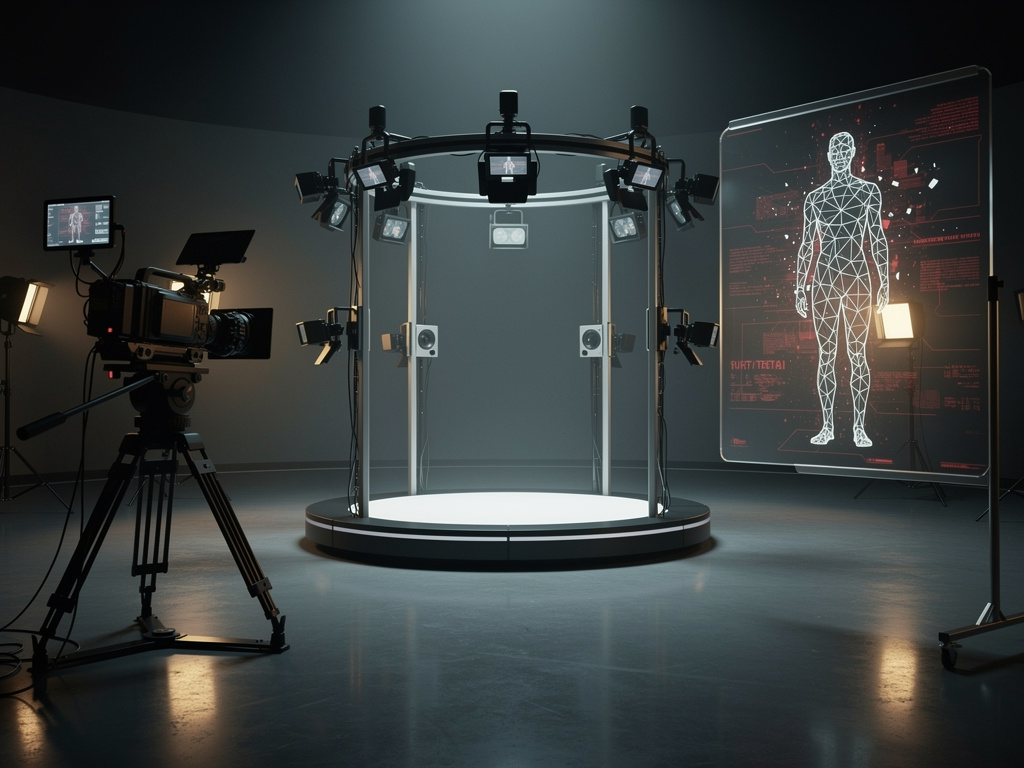
Digital scanning involves capturing detailed 3D models of performers’ bodies, faces, and movements, which AI can then manipulate to create synthetic performances. While this technology promises efficiency—reducing the need for reshoots or stand-ins—it raises profound ethical questions. Actors fear perpetual use of their likenesses in perpetuity, potentially without ongoing royalties. A report from Sky News captured the vote’s potential “big implications” for the UK film and TV sector, warning of stalled projects and economic fallout.
Beyond economics, there’s a human element: the erosion of artistic authenticity. Veteran performers argue that AI replicas lack the nuance of live acting, yet studios might opt for cost-saving digital alternatives. This concern is amplified by recent advancements in AI, such as deepfake technologies that have already been misused in non-consensual contexts. Equity’s campaign draws on these fears, positioning the vote as a defense of human creativity against algorithmic encroachment.
Industry analysts predict negotiations will intensify. Producers, facing tight budgets and global competition, may resist, but the vote’s near-unanimous support strengthens Equity’s bargaining position. Sources like Deadline report that figures like Bonneville are rallying peers, potentially influencing international unions. Meanwhile, tech firms developing AI tools remain largely silent, though some advocate for “responsible” innovation that includes artist input.
Historical Context and Global Echoes
The roots of this conflict trace back to earlier AI incursions in the arts. In 2023, Hollywood’s strikes brought AI to the forefront, with actors like Scarlett Johansson publicly clashing with companies over unauthorized use of their voices. In the UK, similar incidents have surfaced, including disputes over AI-generated ads featuring deceased performers without family consent. This history informs the current standoff, as detailed in coverage from iAfrica.com, which noted the ballot’s high turnout and overwhelming approval.
Globally, the pushback is gaining momentum. In Europe, France’s actors’ unions have lobbied for stricter AI rules, while in Asia, Bollywood faces parallel debates over digital doubles. The UK’s vote could inspire coordinated action, especially as streaming giants like Netflix and Amazon expand AI use in content creation. Equity’s strategy includes lobbying for legislative changes, building on the Lords’ rejections of government AI copyright plans earlier in 2025.
Social media amplifies these global ties. X posts from concerned citizens and industry watchers highlight fears of a “dystopian surveillance state,” linking AI scanning to broader privacy erosions like facial recognition rollouts in London. While not directly related, these discussions underscore a cultural unease with technologies that digitize human identity, potentially influencing public opinion and policy.
Economic Stakes and Future Negotiations
The financial implications are stark. The UK creative sector contributes billions to the economy, with film and TV alone generating over £10 billion annually. Disruptions from refused scans could delay releases, inflate costs, and shift productions overseas. A Reuters article framed the vote as an echo of Hollywood battles, emphasizing the need for “stronger protections” against AI.
For actors, the stakes are personal. Emerging performers, often with less leverage, risk being sidelined if AI replicas become standard. Equity’s demands include transparent AI usage clauses in contracts and mechanisms for auditing digital asset use. Studios, however, argue that scanning enhances safety and efficiency, such as in stunt work or post-production edits.
Looking ahead, talks between Equity and bodies like the Producers Alliance for Cinema and Television (PACT) are expected. Insiders suggest compromises might involve tiered consent models, where actors opt-in for specific AI applications with guaranteed compensation. Yet, if negotiations falter, strikes could mirror the 2023 US walkouts, halting major shoots and drawing international attention.
Voices from the Frontlines and Broader Implications
Individual stories humanize the vote. One anonymous actor shared in union forums how a scanned likeness was used in a video game without additional pay, sparking outrage. Such anecdotes, echoed in X discussions, fuel the movement’s grassroots energy. High-profile endorsements, like Bonneville’s, lend credibility, while critics warn of overreach that could stifle innovation.
The debate extends to other creative fields. Writers and musicians face similar AI threats, with tools like ChatGPT generating scripts and compositions. Equity’s action might catalyze cross-industry alliances, pushing for unified protections. In Parliament, MPs like Sikka have championed copyright reforms, defeating government proposals multiple times in 2025, as seen in social media recaps.
Technologically, advancements continue apace. Companies like Meta and Google invest heavily in AI avatars, blurring lines between real and synthetic. Yet, ethical frameworks lag, with the UK’s AI Safety Institute focusing more on existential risks than everyday applications. This gap leaves performers vulnerable, making the vote a call for balanced progress.
Pathways to Resolution and Lasting Change
As negotiations loom, both sides seek common ground. Producers recognize AI’s benefits but acknowledge exploitation risks. Equity proposes models where actors retain ownership of scans, licensing them like patents. This could create new revenue streams, turning a threat into an opportunity.
Public sentiment, gauged from X posts, leans supportive of artists, with users decrying corporate overreach. Media coverage, including from Film Stories, questions members’ appetite for SAG-AFTRA-style protections, answered resoundingly by the ballot.
Ultimately, this standoff highlights a critical juncture for the entertainment world. Balancing innovation with human rights will define the sector’s future, ensuring technology serves creators rather than supplanting them. As the UK leads this charge, its outcomes may reshape global standards, protecting the essence of performance in an increasingly digital age.


 WebProNews is an iEntry Publication