
Fat’s Voracious Counterattack: How Engineered Cells Are Poised to Starve Out Cancer
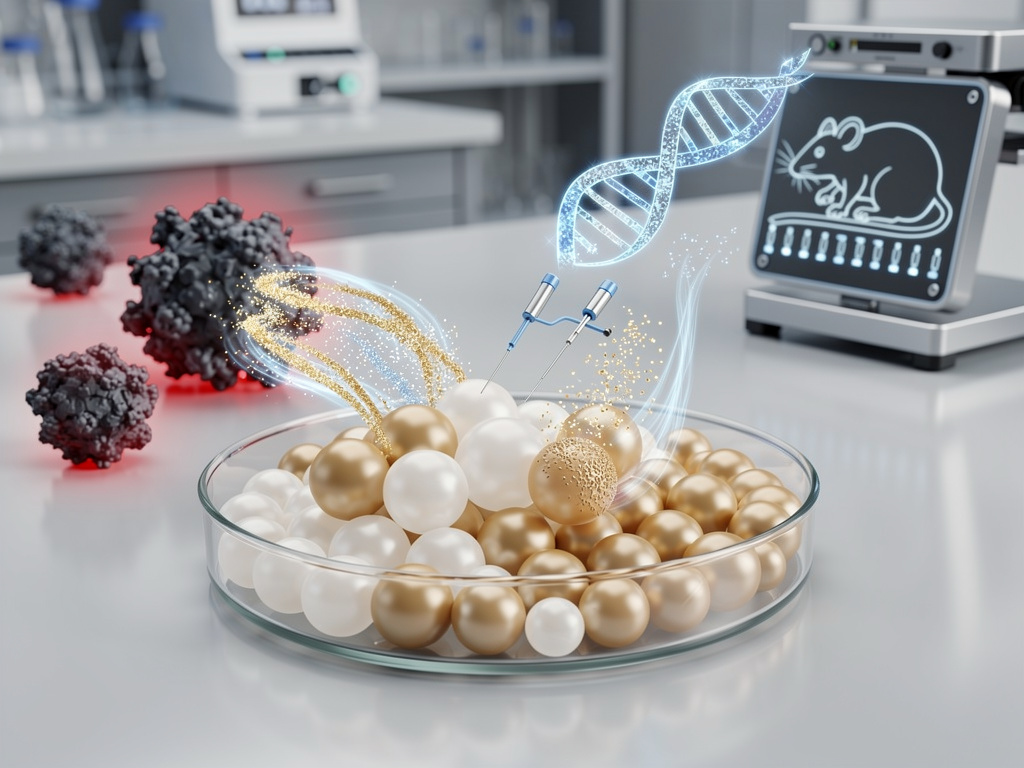
In the relentless battle against cancer, researchers are turning to an unlikely ally: fat cells. Scientists at the University of California, San Francisco (UCSF) have pioneered a groundbreaking approach that transforms ordinary fat cells into nutrient-gobbling powerhouses capable of depriving tumors of essential resources. This innovative strategy, detailed in a recent study, draws inspiration from cosmetic procedures like liposuction, repurposing adipose tissue to combat one of medicine’s most formidable foes. By genetically engineering white fat cells to behave like their energy-burning “beige” counterparts, the team has demonstrated in preclinical models how these modified cells can outcompete cancer for glucose and other vital nutrients, effectively starving tumors to death.
The concept hinges on the metabolic voracity of cancer cells, which thrive by rapidly consuming sugars and fats to fuel their unchecked growth. Traditional treatments like chemotherapy and radiation target this proliferation but often come with severe side effects. The UCSF method, however, exploits the tumor’s own hunger against it. Led by Nadav Ahituv, a professor in the Department of Bioengineering and Therapeutic Sciences, the research team used CRISPR gene-editing technology to activate genes that convert sluggish white fat into hyperactive beige fat. These engineered cells, when implanted near tumors in mice, aggressively absorbed surrounding nutrients, leaving little for the cancer to exploit.
Early experiments showed remarkable results across five different cancer types, including breast, prostate, and colon cancers. Tumors shrank dramatically, and in some cases, were eradicated entirely without harming healthy tissues. This selectivity is a key advantage, as the fat cells focus on local nutrient depletion rather than systemic disruption. Ahituv’s team, publishing their findings in Nature Biotechnology, emphasized that this therapy could complement existing treatments, potentially reducing the need for aggressive interventions.
From Liposuction to Lifesaving Therapy
The origins of this research trace back to observations in plastic surgery, where fat grafts are commonly used for reconstructive purposes. Researchers wondered if these cells could be weaponized. By implanting the modified fat near tumor sites, they created a competitive environment where the beige fat’s high metabolic rate dominates. According to reports from UC San Francisco, electron microscopy revealed these fat organoids out-competing tumors, with images showing depleted nutrient zones around the cancer masses.
This isn’t the first attempt to starve cancer metabolically. Past efforts have included drugs that inhibit glucose uptake or fatty acid synthesis, but they often fail due to the body’s compensatory mechanisms. The UCSF approach sidesteps this by introducing an external competitor. In mouse models, as detailed in a parallel study from the National Cancer Institute, engineered white fat cells reduced tumor sizes by up to 80%, extending survival rates significantly.
Industry insiders note the potential for scalability. Fat cells are abundant and easily harvested via minimally invasive procedures, making personalized therapies feasible. However, challenges remain, such as ensuring the engineered cells don’t migrate or cause unintended metabolic imbalances. Ahituv’s lab is already exploring ways to fine-tune the gene edits for human applications, with preclinical trials hinting at broader efficacy against metastatic cancers.
Unpacking the Metabolic Warfare
At the cellular level, the transformation from white to beige fat involves upregulating genes like UCP1, which uncouples mitochondrial energy production, leading to heat generation and rampant nutrient consumption. Cancer cells, reliant on the Warburg effect—a preference for glycolysis even in oxygen-rich environments—find themselves outmatched. Posts on X from experts like Eric Topol highlight this as “a very innovative approach,” noting its success in experimental models against multiple cancer types.
Further insights come from related research. A study in Pharmacy Times explains how this targets glucose and fatty acid metabolism, crucial for cancer proliferation. In one experiment, mice with implanted tumors exposed to cold environments activated natural brown fat, suppressing tumor growth by 80% and doubling survival, as shared in X discussions drawing from a Nature paper on cold-altered metabolism.
Yet, not all fat-related findings are positive. Recent MIT research, reported in MIT News, warns that high-fat diets can rewire liver cells, increasing cancer risk. This duality underscores the need for precise engineering to harness fat’s benefits without exacerbating vulnerabilities.
Navigating Regulatory and Ethical Hurdles
As this therapy advances toward clinical trials, regulatory bodies like the FDA will scrutinize safety profiles. The use of CRISPR raises questions about off-target effects, though Ahituv’s team reports high specificity in their models. Funding from the National Institutes of Health, as mentioned in UCSF updates, supports ongoing refinements, including combinations with immunotherapies.
Public sentiment on X reflects excitement mixed with caution. Posts from users like Walter Bloomberg proclaim “SCIENTISTS JUST FOUND A WAY TO STARVE CANCER USING FAT CELLS,” citing the UCSF breakthrough, while others discuss the Warburg effect’s implications for dietary interventions. However, X conversations also warn of unverified claims, emphasizing that while promising, this isn’t yet a cure.
For pharmaceutical companies, this opens new avenues. Partnerships could accelerate development, with biotech firms eyeing adipose-based platforms. The AZoLifeSciences coverage details preclinical promise, suggesting applications beyond cancer, such as metabolic disorders.
Broader Implications for Oncology
Integrating this with existing treatments could revolutionize care. Imagine post-surgical fat implants preventing recurrence, or injectable engineered cells targeting hard-to-reach tumors. UCSF’s Helen Diller Family Comprehensive Cancer Center, in its news release, features electron microscopy of these organoids, illustrating their tumor-suppressing architecture.
Comparative studies, like those from the UCSF School of Pharmacy, reinforce the approach’s novelty. Nadav Ahituv’s paper, appearing February 4 in Nature Biotechnology, positions this as a paradigm shift. Meanwhile, a Daily Mail article on high-fat diets priming livers for cancer, as seen in Daily Mail Online, highlights contrasting risks, urging balanced research.
Industry analysts predict that if human trials succeed, this could disrupt the $200 billion oncology market. Companies investing in gene therapy might pivot, with potential for off-the-shelf products using donor fat.
Challenges and Future Directions
Despite optimism, hurdles abound. Ensuring long-term engraftment of these cells without immune rejection is critical. Researchers are exploring encapsulation techniques to protect implants. Additionally, tumors might adapt by altering their metabolism, necessitating combination therapies.
X posts from accounts like HYDRAGUN discuss next steps: larger studies, safety assessments, and monitoring for adaptations. A thread notes, “This isn’t a miracle cure—yet,” but praises its biological ingenuity.
UCSF’s broader efforts, including AI in cancer care as presented at conferences, suggest integrated strategies. For instance, the San Antonio Breast Cancer Symposium featured UCSF experts on targeted therapies, potentially synergizing with fat-based starvation.
Toward Personalized Cancer Combat
Personalization is key. Harvesting a patient’s own fat minimizes rejection risks, allowing tailored gene edits based on tumor profiles. This aligns with precision medicine trends, where genomic data guides interventions.
Inspirations from unrelated fields, like cold exposure activating fat to suppress tumors in mice, as detailed in Nature studies referenced on X, broaden the conceptual framework. Such environmental triggers could enhance engineered cells’ efficacy.
As Ahituv’s team pushes forward, collaborations with institutions like the NCI could fast-track translations. The ultimate vision: a world where fat, often maligned, becomes a hero in oncology.
Voices from the Field and Beyond
Experts like Eric Topol on X laud the innovation, while broader web discussions in ScienceDaily underscore metabolic research’s momentum. UCSF’s MedConnection search results highlight ongoing conferences where these findings are debated, fostering interdisciplinary dialogue.
Ethical considerations include accessibility—will this therapy be affordable? Biotech’s involvement could drive costs down, but equity remains a concern.
Looking ahead, this fat-cell strategy might extend to other nutrient-dependent diseases, redefining therapeutic paradigms. With continued investment, what began as a curious experiment could redefine cancer treatment’s frontiers.


 WebProNews is an iEntry Publication