
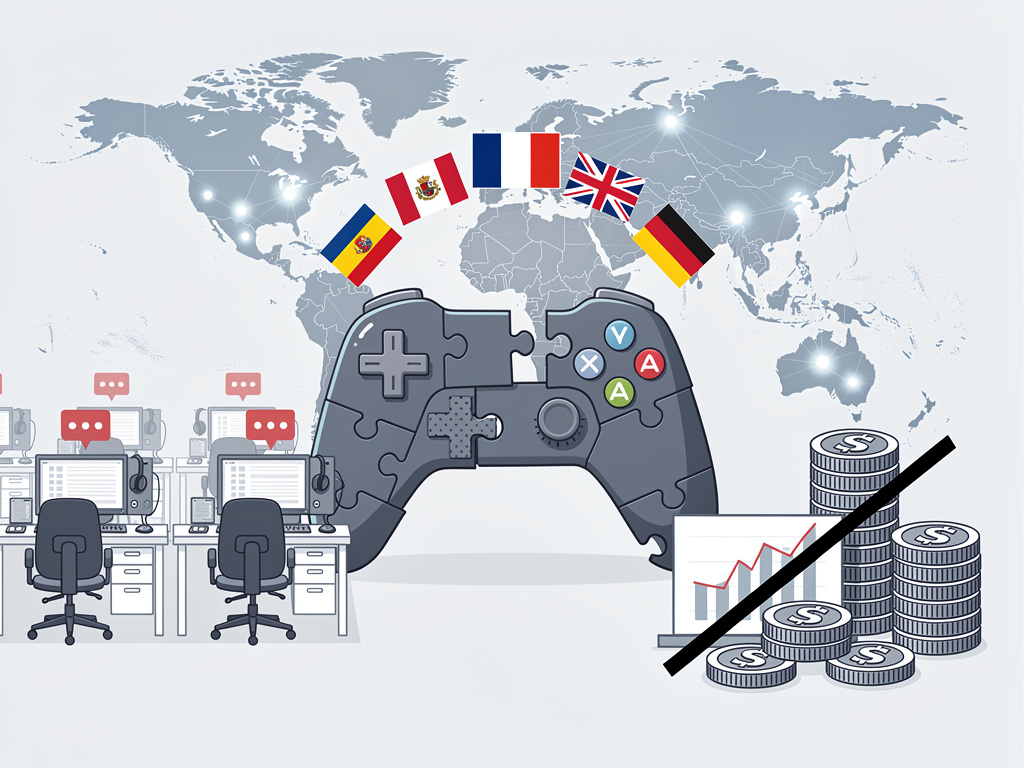
Five French labor unions representing Ubisoft employees have launched an unprecedented call for a massive international strike, marking one of the gaming industry’s most significant labor actions in recent memory. The coordinated effort, which targets the company’s aggressive cost-cutting initiatives and controversial mandate to end remote work arrangements, signals a potential watershed moment for worker rights in the global video game sector.
According to Slashdot, the unions—STJV, Solidaires Informatique, CFE-CGC, CFTC, and CGT—are demanding immediate reversal of policies they characterize as detrimental to employee welfare and creative output. The strike call comes amid mounting tensions between Ubisoft’s leadership and its global workforce of approximately 19,000 employees spread across dozens of studios worldwide.
The French gaming giant, known for blockbuster franchises including Assassin’s Creed, Far Cry, and Rainbow Six, has been implementing sweeping organizational changes following disappointing financial performance and multiple high-profile game delays. These restructuring efforts have included significant headcount reductions, studio consolidations, and the controversial requirement for employees to return to physical office spaces—a policy that workers argue undermines years of successful remote collaboration established during the pandemic era.
Financial Pressures Drive Management’s Strategic Pivot
Ubisoft’s recent financial struggles have provided the backdrop for management’s aggressive restructuring agenda. The company has faced declining stock valuations, delayed releases of major titles, and increased scrutiny from investors demanding improved profitability metrics. These pressures have prompted leadership to pursue what they characterize as necessary efficiency measures, though workers and their representatives view these actions as short-sighted cost-cutting that threatens the company’s creative foundation.
The unions’ strike call specifically challenges management’s assertion that in-office work is essential for collaboration and creativity. Workers point to the successful development and launch of multiple titles during the remote work period as evidence that distributed teams can maintain productivity and innovation. The forced return-to-office mandate has proven particularly contentious for employees who relocated during the pandemic or made significant life decisions based on remote work assurances from company leadership.
International Solidarity Emerges Across Gaming Industry
The French unions’ call for international action represents an ambitious attempt to coordinate labor activism across national boundaries and different legal frameworks governing worker rights. While France maintains robust labor protections and a strong tradition of union organization, Ubisoft’s global workforce operates under vastly different employment conditions depending on location. The success of this international strike will likely depend on whether workers in North America, Asia, and other regions can overcome these structural barriers to join their French colleagues in collective action.
Gaming industry labor organizing has gained momentum in recent years, with workers at multiple major publishers and developers forming unions or engaging in collective bargaining efforts. The sector has long been characterized by intense crunch periods, job insecurity, and what many workers describe as exploitative employment practices masked by the appeal of working in entertainment. The Ubisoft strike call arrives at a moment when broader conversations about work-life balance, remote flexibility, and worker dignity have gained mainstream acceptance across multiple industries.
Remote Work Reversal Sparks Broader Industry Debate
The controversy over Ubisoft’s remote work policy reflects larger tensions within the technology and creative sectors about the future of work arrangements. Many companies that embraced remote work during pandemic lockdowns have subsequently attempted to mandate office returns, often citing collaboration, company culture, and management oversight as justifications. However, workers increasingly view these mandates as pretextual—serving either as disguised layoff mechanisms or as assertions of managerial control rather than genuine productivity concerns.
For Ubisoft employees, the remote work reversal carries particular sting given the company’s previous public statements embracing flexible arrangements. Workers who made significant life decisions—including relocating to lower-cost areas, caring for family members, or purchasing homes far from office locations—based on these assurances now face difficult choices between their personal circumstances and continued employment. The unions argue this policy shift constitutes a fundamental breach of trust that undermines employee morale and retention.
Cost-Cutting Measures Extend Beyond Office Mandates
While the remote work controversy has captured significant attention, the unions’ grievances extend to broader cost-cutting initiatives that workers fear will compromise game quality and working conditions. These measures reportedly include reduced staffing levels on projects, accelerated production timelines, and decreased investment in employee development and support services. Workers argue that these short-term financial optimizations risk long-term damage to Ubisoft’s creative reputation and competitive position.
The gaming industry’s business model has evolved significantly in recent years, with companies increasingly focused on live-service games, microtransactions, and ongoing content updates rather than traditional standalone releases. This shift has created pressure for sustained development efforts and continuous content creation, often requiring larger teams working over extended periods. The unions contend that cost-cutting during this transition threatens to overburden remaining staff while potentially compromising the quality standards that differentiate successful franchises from failures.
Historical Context of Gaming Industry Labor Actions
The Ubisoft strike call builds on a growing history of labor activism within the gaming sector. Recent years have witnessed successful unionization efforts at studios including Raven Software, owned by Activision Blizzard, and various quality assurance teams across the industry. These organizing drives have typically focused on contract workers and lower-tier employees, making the Ubisoft action—which potentially encompasses developers, artists, designers, and other creative professionals—particularly significant in scope.
Previous labor actions in gaming have achieved mixed results, with some securing concrete improvements in wages, benefits, and working conditions while others have struggled against management opposition and industry-wide resistance to unionization. The international nature of the Ubisoft strike call presents both opportunities and challenges: while coordination across borders could demonstrate unprecedented worker solidarity, the complexity of orchestrating action across different legal regimes and employment structures creates significant logistical hurdles.
Management Response and Corporate Strategy
Ubisoft leadership has maintained that organizational changes are necessary to ensure the company’s long-term viability and competitiveness in an increasingly challenging market environment. The company faces competition from both established rivals and emerging developers, while also contending with changing consumer preferences and technological disruption. Management argues that consolidating operations and ensuring in-person collaboration will strengthen creative output and operational efficiency.
However, critics point to recent controversies surrounding workplace culture at Ubisoft, including allegations of harassment and discrimination that prompted leadership changes and organizational reforms. Workers and their advocates argue that management’s current approach prioritizes financial metrics over the human capital and creative talent that ultimately determines success in the entertainment industry. The tension between short-term cost optimization and long-term creative sustainability remains at the heart of the current dispute.
Implications for Gaming Industry Future
The outcome of this labor action will likely reverberate throughout the gaming industry and potentially influence labor relations in adjacent creative and technology sectors. A successful strike could embolden workers at other major publishers to pursue similar collective action, while failure might discourage organizing efforts and strengthen management’s hand in imposing unilateral policy changes. The international dimension adds particular significance, potentially establishing precedents for cross-border labor coordination in an increasingly globalized industry.
Beyond immediate workplace concerns, the Ubisoft situation highlights fundamental questions about value creation and distribution in creative industries. As gaming has evolved into a dominant entertainment medium generating billions in annual revenue, workers argue they deserve greater voice in organizational decisions and fairer shares of the wealth their labor generates. The strike call represents not merely a dispute over specific policies but a broader challenge to the power dynamics that have historically characterized employer-employee relations in the sector.
Worker Demands and Negotiation Prospects
The striking unions have articulated specific demands including reversal of the remote work mandate, transparent communication about restructuring plans, meaningful worker input into organizational decisions, and guarantees against further arbitrary policy changes. These demands reflect both immediate grievances and longer-term aspirations for more democratic workplace governance. The unions have indicated willingness to negotiate but emphasize that management must demonstrate genuine commitment to addressing worker concerns rather than merely offering cosmetic concessions.
The path forward remains uncertain, with both sides facing significant pressures and constraints. Management must balance investor expectations for improved financial performance against the risks of prolonged labor disruption and talent attrition. Workers must maintain solidarity across diverse locations and employment categories while sustaining momentum for collective action that could extend over weeks or months. The resolution of this conflict will likely establish important precedents for how major gaming companies navigate the competing demands of financial performance, creative excellence, and worker welfare in an industry undergoing rapid transformation.


 WebProNews is an iEntry Publication