
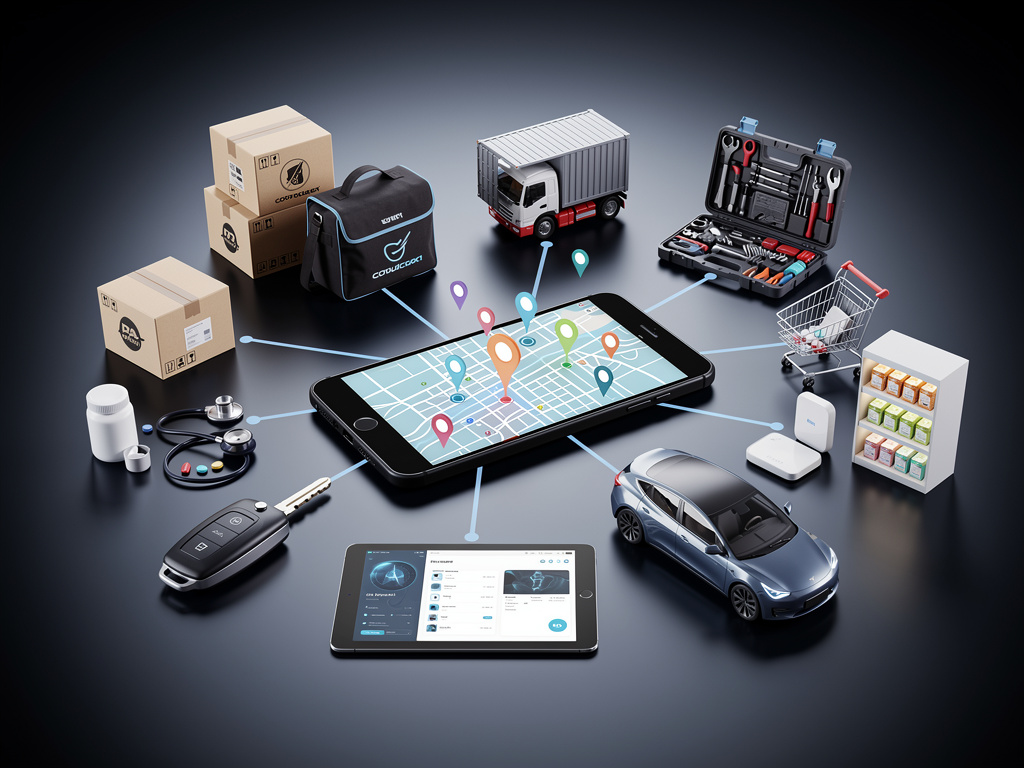
In the decade since Uber upended urban transportation, its app-driven model—leveraging GPS, mobile interfaces, and independent contractors—has permeated sectors far beyond taxis. Food delivery giants like DoorDash and Uber Eats mirrored the blueprint, connecting diners with drivers for swift restaurant hauls. Logistics firms adopted real-time tracking for freight, while home services platforms summoned cleaners and handymen on demand. This “Uberization” normalized instant service fulfillment, fueling gig work expansion and forcing legacy players to digitize or perish.
A CNBC survey captured the ripple into automotive habits, revealing 22% of U.S. Uber users aged 17-64 delaying car purchases due to on-demand rides (MaRS Discovery District). In San Francisco, taxi rides plunged 65% post-Uber, compelling incumbents to launch apps. Paul Barter, co-author of “The Uber of Everything” and Schulich School of Business professor, declared, “To bet against Uber is to bet against the future.”
Uber’s own diversification underscores the model’s portability. Launched in 2016, Uber Eats tapped its driver network for meals, now holding 23-26% U.S. market share behind DoorDash’s 60%+ (Bloomberg Second Measure). Uber Freight, debuting 2017, applies ride-matching algorithms to shippers and trucks, eyeing a $5.9 billion digital brokerage growing at 27-30% CAGR through 2030.
Food Delivery’s Rideshare Makeover
DoorDash, Postmates, and Uber Eats cloned rideshare’s core: geolocation summons independent couriers for restaurant pickups. Uber acquired Postmates for $2.65 billion in 2020, consolidating to challenge DoorDash’s dominance (Wikipedia). By late 2024, DoorDash claimed 60.7% national share, Uber Eats 26.1%, with Grubhub at 6.3% (Earnest Analytics). Pandemic lockdowns supercharged growth; Uber Eats revenue surged 29% year-over-year in Q3 2025.
Subscription models like Uber One and DoorDash’s DashPass bundle rides and deliveries, echoing rideshare loyalty plays. Partnerships abound: Domino’s inked deals with Uber Eats and Postmates in 2023, while DoorDash teamed with Lyft for cross perks. X users note DoorDash and Uber Eats “wiped out” prior restaurant drivers, spurring packaging innovations like separate broth for ramen.
Yet monetization squeezes persist. Swiggy’s 2% restaurant collection fee atop 20-25% commissions mirrors Uber’s cuts, prompting outcry but sustained use via network lock-in (X post by Rahul Mathur).
Freight’s Digital Dispatch
Uber Freight revolutionized trucking by mirroring passenger matching for loads. Shippers post specs; carriers bid via app, slashing brokers and paperwork. Revenue held steady at $1.3 billion quarterly in Q2-Q3 2025, tapping a sector ripe for disruption (Cascade Strategy Study). “Uber Freight is like Uber Eats for trucking,” notes C-Suite Strategy, enabling real-time quotes and tracking.
Digital freight brokerage surges at 27-30% CAGR, with Uber maintaining majority stakes post-investments. Traditional brokers face obsolescence as apps optimize routes, cutting empty miles. X analyst Masaru Fund projects Uber revenue climbing 21.6% to $60.3 billion by 2027, freight as fastest grower despite current losses.
Carriers praise transparency: J.B. Hunt’s dashboard tweaks via Uber feedback yield efficiencies. Still, scaling challenges loom in a fragmented industry.
Home Services Go On-Demand
TaskRabbit and Handy transplanted rideshare summoning to chores: furniture assembly, cleaning, dog walking. TaskRabbit, acquired by IKEA, handles errands via Taskers setting rates, platform taking 30-40% cut (Wikipedia). Users book instantly, reviews guide matches, much like driver ratings.
Handy dubs itself cleaning’s Uber, tracking pros ala rideshare. Reddit TaskRabbit threads highlight pros’ gripes—low rates post-flood of amateurs—but steady gigs for skilled handymen. X’s Stepan Aslanyan posits certainty trumps speed: “You stopped being told ‘on the way’ and started seeing when. Who is coming.” Platforms expanded to Partner Pages for retailers like IKEA in 2025.
TaskRabbit’s model yields $1,000+ monthly side hustles for non-handy tasks like organizing, per user reports. Peak pricing mimics Uber surges for high-demand jobs.
Healthcare’s Mobile Pivot
Rideshare bridged medical deserts, enabling non-emergency transport (NEMT). Lyft, authorized in 27 states, logs 26% of rides to healthcare; partnerships ferry patients to pharmacies where 40% travel over 10 miles (Lyft Blog). Uber teams with Scriptdrop for on-demand prescriptions.
Telemedicine boomed alongside, with COVID spiking demand; pharmacists now eye UTAUT models blending market orientation for adoption (ScienceDirect). Rideshare cuts missed appointments 2.5-fold for Medicaid patients, per UPenn study (Public Health Post).
RB-NEMT suits discharges, on-demand trips; RAND estimates it eases ecosystem strain for underserved groups.
Automotive’s Shared Shift
Rideshare slashed ownership: 22% delay buys. Manufacturers pivoted—GM invested in Lyft, Toyota in Uber; Hertz, Enterprise rent to gig drivers (Automotive Technology). Uber-BY D adds 100,000 EVs; Lyft-Waymo deploys self-drivers.
Goldman Sachs forecasts 35,000 U.S. robotaxis by 2030, grabbing 8% rideshare revenue at $7 billion (Goldman Sachs). Lyft’s Atlanta May Mobility launch grows markets; Phoenix/San Francisco see faster rideshare expansion with AVs.
Zoox, Lyft expand driverless; Tesla FSD eyes pizza runs sans apps, per X speculation.
Retail’s Instant Edge
E-commerce apes rideshare speed: curbside pickup, same-day delivery. Walmart, Target surged post-pandemic; Glympse enables “Uber-like” tracking (Progressive Grocer). Kroger partners Uber for groceries, ditching warehouses.
Hybrid models blend stores as fulfillment hubs; DoorDash leads but faces ONDC challengers. X’s Dissecting Markets notes centralized shifts to third-party speed. Pandemic cemented habits—e-commerce hit $7.2 billion June peak.
Retailers report loyalty gains from convenience, though drone/same-day rivals loom. Rideshare’s tap-to-summon ethos endures, redefining service across economies.


 WebProNews is an iEntry Publication