
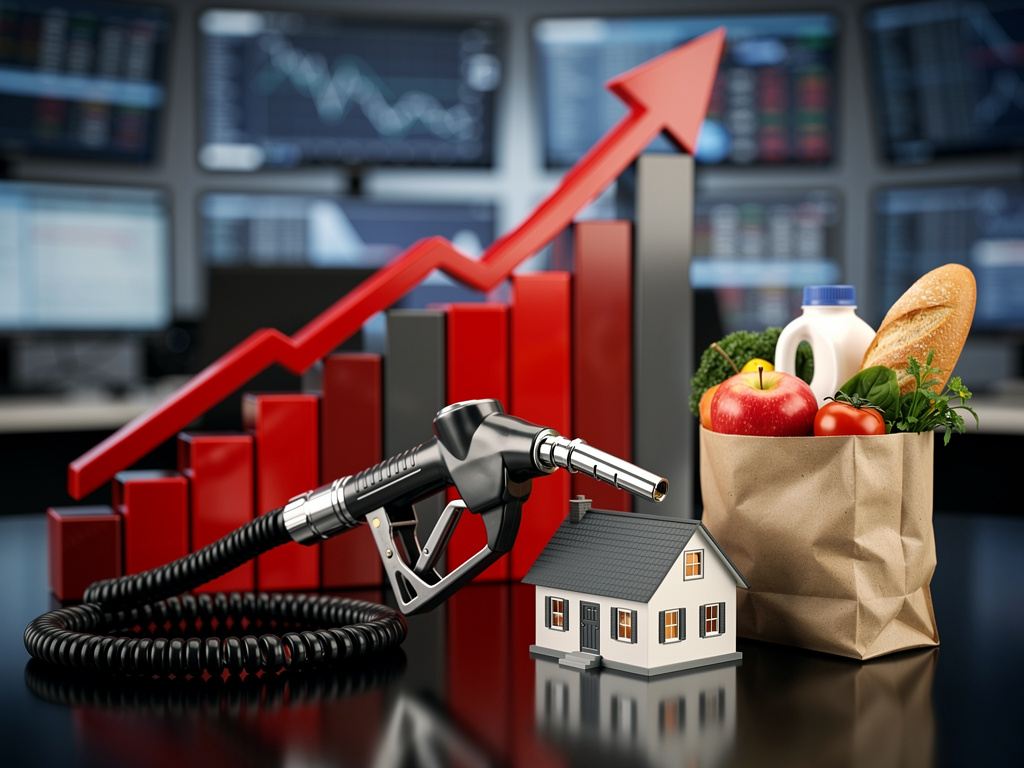
Consumer prices in the United States accelerated sharply in April. The annual inflation rate hit 3.8 percent. That marks the fastest pace since May 2023. Energy costs tied to the war with Iran delivered the decisive blow.
Just weeks earlier, the picture looked different. Annual inflation stood at 3.3 percent in March and 2.4 percent before fighting intensified in February. The latest jump, reported Tuesday by the Labor Department, confirms a reversal that has caught households and policymakers off guard. But the details reveal pressure building across multiple fronts. Energy wasn’t the only culprit.
The Consumer Price Index rose 0.6 percent last month on a seasonally adjusted basis, the Bureau of Labor Statistics said. That followed a 0.9 percent surge in March, the biggest one-month gain since June 2022. Over the 12 months through April the all-items index climbed to 333.020 on the 1982-84=100 base. Energy alone soared 17.9 percent from a year ago. Gasoline prices jumped 28.4 percent. Fuel oil shot up 54.3 percent.
The official BLS release lays out the breadth. Food prices gained 0.5 percent in April after holding steady the prior month, lifting the annual food index 3.2 percent. Shelter costs advanced 0.6 percent, pushing the yearly shelter measure to 3.3 percent. Core inflation, which strips out food and energy, rose 0.4 percent for the month. Its annual rate moved to 2.8 percent from 2.6 percent. Those figures matter because they signal persistence beyond volatile commodities.
Airline fares climbed 2.8 percent in a single month. Apparel rose 0.6 percent. Household furnishings and operations added 0.7 percent. The breadth worries analysts. “There is a real financial squeeze underway,” Heather Long, chief economist at Navy Federal Credit Union, told Reuters. “For the first time in three years, inflation is eating up all wage gains. This is a setback for middle-class and lower-income households and they know it.”
The trigger traces directly to events halfway around the world. U.S. and Israeli strikes on Iran sent oil above $100 a barrel in March. Gasoline at American pumps climbed above $4.50 a gallon. Diesel nearly doubled in some regions. Even after an early April ceasefire, prices remained elevated. Global supplies tightened. Supply chains strained. Second-round effects now appear in transportation and groceries.
Joseph Brusuelas, chief economist at RSM, captured the risk in comments to the same Reuters report. “With no clear end to hostilities in sight, the primary catalysts for the increase in inflation – energy, oil, gasoline, transportation, and food – are all poised to jump higher in coming months as global supplies grow tight and supply chain stress rises.” His warning carries weight. Markets reacted immediately Tuesday. Stocks opened lower. The dollar strengthened. Treasury yields rose.
This report lands at a sensitive political moment. President Donald Trump secured re-election in 2024 on pledges to tame price pressures. Voters have grown unhappy with his economic record. Pump prices draw particular blame. The acceleration adds fuel to midterm battles later this year. Republicans face an uphill climb if households feel the pinch intensify.
Federal Reserve officials confront their own test. Many analysts now push expected rate cuts into 2027. The central bank tends to look past energy swings, expecting them to fade. Yet core measures moved higher too. The 0.4 percent monthly core gain was the largest since January 2025. A technical adjustment in rent data from last year’s government shutdown played a role. It tempered earlier readings and now lifts current ones. The underlying direction still points up.
Economists at the Peterson Institute for International Economics flagged upside risks months ago. In a January analysis they argued inflation could exceed 4 percent by year-end. Lagged tariff effects, wider fiscal deficits, tighter labor markets from immigration shifts, and drifting expectations all pointed higher. Recent events validate parts of that view. The Supreme Court struck down certain tariffs in February, easing some pressure. Geopolitics replaced them.
The New York Times report on the data underscored the shift. Higher energy costs replaced tariffs as the main driver. Shortages of commodities blocked through the Strait of Hormuz now weigh on prices. Michael Reid, chief U.S. economist at RBC Capital Markets, saw little silver lining. “I’m looking for anything where I can say ‘here’s some relief,’ and that’s not very easy to do in this report. Generally inflation is moving in the wrong direction.”
Food categories tell part of the story. Beef prices rose 2.7 percent in April. Fruits and vegetables gained 1.8 percent. Nonalcoholic beverages added 1.1 percent. Grocery store inflation overall hit 0.7 percent. These increases hit family budgets directly. Used cars and trucks held steady while new vehicles edged lower. Medical care dipped slightly. Offsetting forces exist. They simply don’t offset enough.
Look back further and the trend sharpens. Inflation slowed to 2.4 percent in January and February after hovering near 3 percent late last year. The spring reversal came fast. March’s 0.9 percent monthly jump set the stage. April’s follow-through removed any doubt. The chained CPI, an alternative gauge, rose 3.6 percent over the past year. All measures point the same way.
Markets had started the year expecting easier policy. Those bets evaporated. Fed Chair nominee Kevin Warsh prepares to take over from Jerome Powell amid this shift. The strong April jobs report last week already delayed cut forecasts. Hotter prices lock in the pause. Officials must weigh whether the energy surge proves temporary or seeds broader wage and price spirals.
Households feel it first. Real wages stagnate when inflation outruns paychecks. That crossover happened. Lower-income families spend larger shares on gas and food, magnifying the damage. Retailers and service providers face higher input costs. Some pass them along. Others absorb them, squeezing margins. The full transmission takes time.
Global factors compound domestic ones. Tight oil markets leave little buffer. OPEC+ decisions, tanker disruptions, and renewed tensions could push prices further. Food supply chains remain vulnerable to fuel costs and fertilizer prices. Economists debate the persistence. Few dismiss the near-term pain.
The May CPI reading arrives June 10. Forecasters watch energy closely. Another leg higher remains possible if the fragile Middle East ceasefire frays. Core services inflation bears scrutiny too. Shelter tends to lag but now accelerates. Medical and transportation services add incremental pressure.
Policymakers, businesses, and families navigate the new reality. The inflation genie slipped its bottle again. Reversing the climb will demand steadier geopolitics, disciplined fiscal choices, and perhaps tighter monetary settings than hoped. For now the numbers speak clearly. Prices rose. Broadly. And they keep rising.


 WebProNews is an iEntry Publication