
The Shadow Network: ICE’s High-Tech Hunt and the Erosion of American Privacy
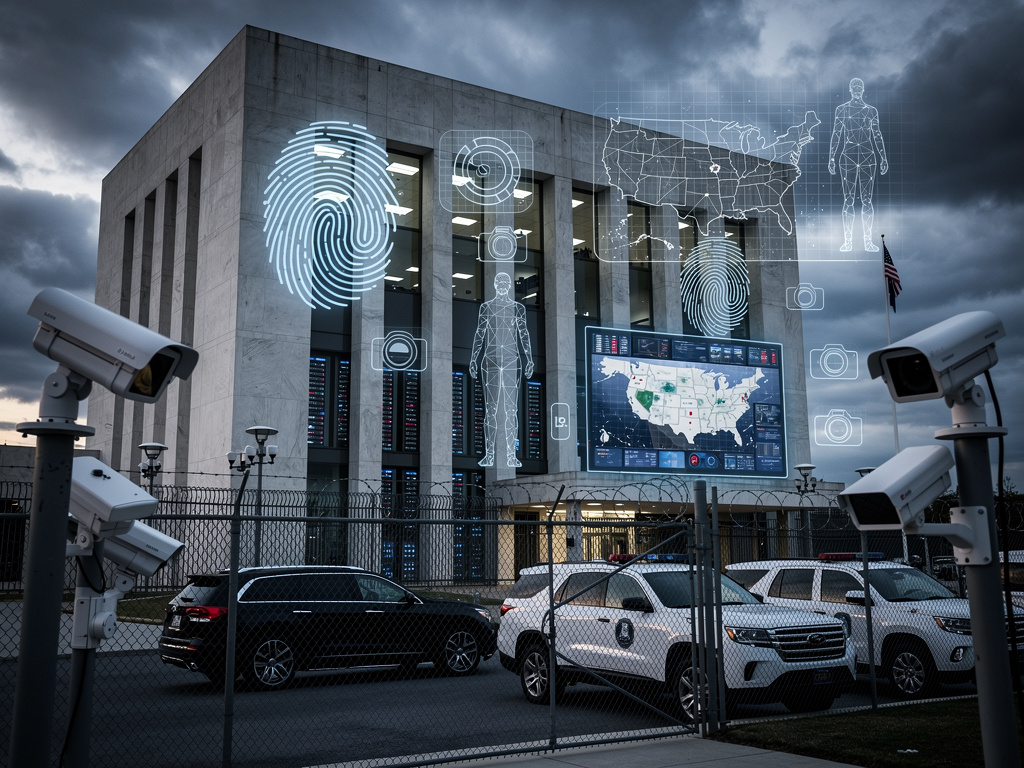
In the waning days of 2025, as the Trump administration ramps up its immigration enforcement agenda, U.S. Immigration and Customs Enforcement (ICE) is quietly amassing an arsenal of advanced surveillance technologies. This push comes at a time when privacy safeguards are being systematically dismantled, raising alarms among civil liberties advocates, tech experts, and lawmakers. Federal procurement records reveal multimillion-dollar contracts for tools like facial recognition software, social media monitoring systems, and geolocation trackers, all aimed at bolstering deportation efforts. But the implications extend far beyond immigrants, potentially ensnaring American citizens in a web of unchecked monitoring.
The timing is no coincidence. With President Donald Trump’s executive orders slashing oversight on data usage, ICE has gained unprecedented access to sensitive records, including health and tax information. This convergence of technological upgrades and regulatory rollbacks has experts warning of a surveillance state in the making. “It’s very troubling,” says one privacy advocate, echoing sentiments from multiple reports. The agency’s spending spree includes a $3.75 million deal with Clearview AI for facial recognition, as detailed in a Newsweek article, highlighting how such tools could be deployed broadly.
Critics argue that these developments represent a dangerous expansion of domestic spying. ICE’s interest in high-tech gear, including spyware capable of hacking encrypted communications, draws from military-grade technologies previously restricted. The reversal of Biden-era bans on tools like Pegasus-style spyware, now reactivated under Trump, allows for invasive phone monitoring. This shift is not just about efficiency in deportations; it’s about building a comprehensive tracking infrastructure that could target dissenters or political opponents, according to analyses from think tanks and journalists.
Technological Arsenal Takes Shape
Public records show ICE’s procurement activities surging in late 2025. Contracts for over $300 million in surveillance tech have been awarded, encompassing everything from AI-driven analytics to real-time social media scraping. A Politico investigation reveals the agency is tapping into government databases with fewer restrictions, blending immigration enforcement with broader intelligence gathering. This includes access to health records and facial recognition databases, expanding the scope of who might be monitored.
Experts from the Brookings Institution have examined how AI and data analytics are powering this enforcement machine. In a report from Brookings, authors note that under Trump, these technologies are being integrated without the privacy guardrails that once limited their use. The concern is that algorithms trained on vast datasets could lead to biased targeting, disproportionately affecting minority communities and U.S. citizens alike.
Social media posts on X reflect growing public unease. Users, including civil liberties groups like the Brennan Center, have highlighted how outdated privacy laws enable this overreach. One post warns that ICE plans to turn these tools against Americans opposing the president’s agenda, amplifying fears of political surveillance. Similarly, journalists on the platform have pointed to the reactivation of spyware contracts, drawing parallels to authoritarian regimes.
The MSN article titled “ICE Upgrading Surveillance Tech While Trump Administration Downgrades Privacy Protections — ‘It’s Very Troubling,’ Experts Say,” aggregated from Inquisitr via MSN, delves into the financial aspects. It reports ICE’s multimillion-dollar investments coinciding with Trump’s cuts to oversight, quoting experts who describe the situation as a perfect storm for privacy erosion. This piece underscores how the administration’s immigrant crackdown is fueling tech acquisitions that lower the bar for data collection.
Historical context adds depth to these concerns. During Trump’s first term, ICE expanded its use of surveillance, but Biden imposed limits. Now, with those reversed, the agency is poised for even greater capabilities. A Reason article from October 2025 details ICE’s amassing of sophisticated tools with minimal oversight, targeting not just noncitizens but potentially all Americans through expansive data sweeps.
Lawmakers like Sen. Gary Peters have expressed discomfort with the lack of transparency. In an Axios piece, Peters is quoted saying, “The fact that I don’t have facts makes me very uncomfortable,” highlighting congressional unease over ICE’s windfall from recent funding bills. This funding, part of a megabill, is fueling what some call a surveillance juggernaut.
Privacy Protections in Retreat
The Trump administration’s actions have systematically weakened privacy frameworks. Executive orders have rolled back requirements for warrants on certain data accesses, allowing ICE broader leeway. This includes tapping into commercial databases and partnering with tech firms for real-time monitoring. A Yahoo News report, mirroring Politico’s findings, notes ICE’s ramped-up tech contracting amid these changes, as seen in Yahoo.
Civil liberties organizations are sounding the alarm. Public Citizen’s posts on X describe plans for around-the-clock social media surveillance as a violation of every American’s privacy. They argue it’s not limited to deportations but could extend to monitoring activists or journalists. This sentiment is echoed in a IBTimes UK article, which reports on ICE’s access to health records and facial recognition, part of a £300 million spend.
Industry insiders point to the risks of mission creep. What starts as tools for tracking undocumented immigrants could easily pivot to domestic surveillance. The Brennan Center’s analysis warns of turning powerful tools against anyone, with scant safeguards due to outdated laws. This is compounded by Trump’s reversal of spyware bans, as detailed in X posts from sources like Rachel Maddow’s reports, which highlight the inward pointing of military-grade powers.
The Inquisitr piece, accessible via the MSN link, quotes experts calling the developments “very troubling.” It paints a picture of ICE gaining expensive surveillance aids while privacy protections diminish, making enforcement easier but at the cost of civil rights. This aligns with broader concerns from Political Wire, which warns of a vast expansion going far beyond immigrants.
Comparisons to global surveillance states are inevitable. Tools like those from Tel Aviv-based Paragon, reactivated under Trump, allow hacking into encrypted apps, as noted in Majority Report’s X post. Users like Holly have decried this as enabling Big Brother tactics, far removed from mere immigration control.
The economic angle is telling. ICE’s contracts with firms like Clearview AI signal a booming market for surveillance tech. Newsweek’s coverage emphasizes how these deals equip agents with cutting-edge tracking for migrants, but the lack of boundaries raises questions about domestic applications.
Voices of Dissent and Potential Impacts
Opposition is mounting from various quarters. Journalists like Caroline Haskins have reported on ICE’s post-election solicitations for expanded GPS tracking systems, suggesting the timing ties directly to Trump’s victory. Her X post notes contractors viewing it as no coincidence, pointing to a strategic escalation.
Think tanks and advocacy groups are pushing for reforms. The Mock Paper Scissors blog, in a recent entry linked from Mock Paper Scissors, calls for reforming or abolishing ICE, citing Politico’s reports on unchecked spending. This reflects a growing chorus demanding accountability.
Potential impacts on everyday Americans are profound. With access to tax and health data, ICE could cross-reference information in ways that infringe on privacy. Experts warn of chilling effects on free speech, where fear of monitoring stifles dissent. Posts on X from users like iOccupyNigeria advise caution in online speech, linking to Politico articles as evidence of the new reality.
Legal challenges are likely on the horizon. Privacy advocates are preparing lawsuits, arguing that these practices violate constitutional protections. The Brennan Center’s X post underscores how the administration can exploit legal loopholes, urging legislative fixes.
Technological countermeasures are emerging too. Individuals and organizations are turning to encrypted communications and privacy-focused apps to evade surveillance. Yet, with tools designed to breach such defenses, the cat-and-mouse game intensifies.
Looking ahead, the trajectory suggests further entrenchment. As ICE integrates these technologies, the line between immigration enforcement and general policing blurs. Reports from sources like Reason emphasize the mass campaign against citizens, urging vigilance.
Broader Implications for Society
The fusion of AI with surveillance raises ethical questions. Bias in facial recognition, for instance, has been well-documented, potentially leading to wrongful detentions. Brookings’ examination highlights these risks in immigration contexts, but the downgraded protections amplify them nationwide.
International observers are watching closely. The IBTimes UK piece notes the global scale, with Trump’s orders granting ICE unprecedented access, drawing criticism from human rights groups abroad.
Public sentiment, as gauged from X, shows a mix of alarm and denial. Posts from Public Citizen and others rally against the overreach, while some dismiss concerns as overblown. This polarization mirrors broader debates on security versus liberty.
Industry responses vary. Tech companies profiting from these contracts face backlash, with calls for ethical guidelines. Clearview AI’s deal, as per Newsweek, exemplifies the tension between innovation and privacy.
Ultimately, this surge in surveillance capabilities under diminished oversight tests the resilience of American democratic norms. As ICE’s tech arsenal grows, so does the imperative for robust checks and balances to protect fundamental rights.


 WebProNews is an iEntry Publication