
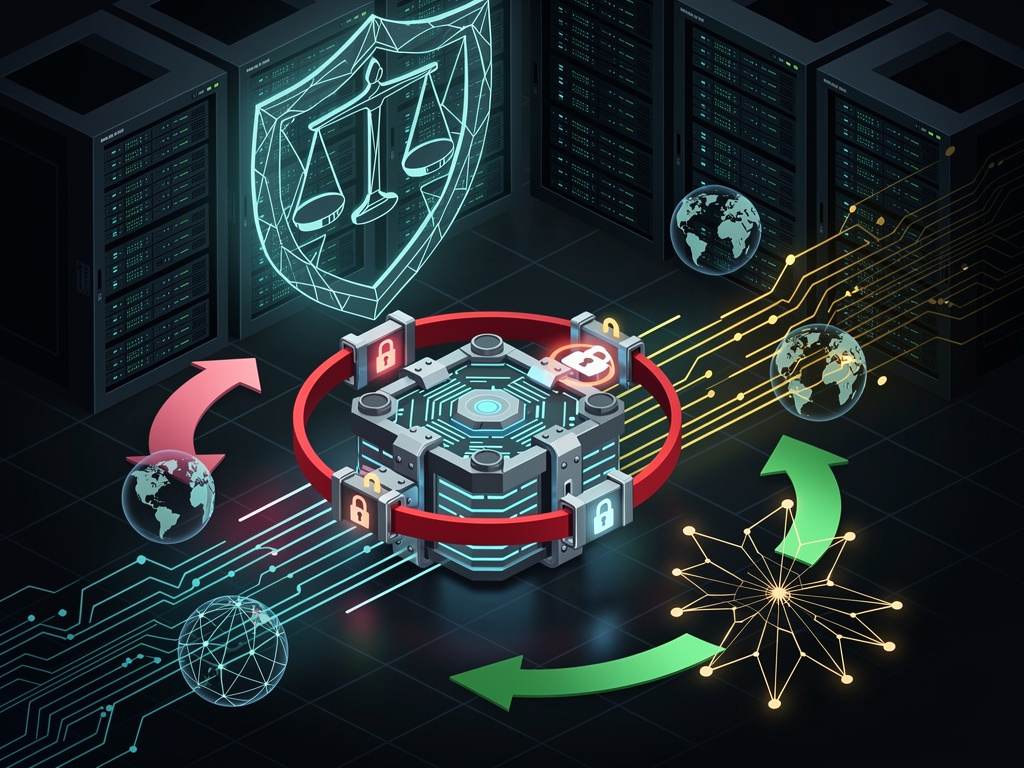
President Donald Trump’s administration moved with striking speed in mid-June to restrict foreign access to Anthropic’s most advanced AI systems. The action forced the company to pull its flagship Fable 5 and Mythos 5 models offline for every user. Short notice. Sweeping effect. And a wave of questions about consistency, legality and long-term damage to American technological edge.
The Wall Street Journal reported that Commerce Secretary Howard Lutnick sent Anthropic CEO Dario Amodei a letter on a Friday declaring the latest models subject to export restrictions. Usage by customers outside the U.S. and foreign nationals inside the country became prohibited. Anthropic, facing the impossibility of segmenting access cleanly, shut the systems down entirely to avoid violations. All users lost access. The models, described as among the most powerful available, simply vanished from the market.
But the roots stretch back further. Earlier this year Trump ordered federal agencies to stop using Anthropic technology. The Pentagon labeled the firm a supply-chain risk. Lawsuits followed. Judges issued temporary blocks. Then came the June escalation. A reported jailbreak vulnerability in Fable 5, combined with concerns that Mythos 5 had rapidly breached classified systems, triggered the export controls. The Economist described the move as capricious and chaotic, arguing it may have begun as punishment but revealed how hard it is to contain potent technology once released.
Security alarms meet policy whiplash
Senator Mark Warner revealed that NSA and Cyber Command Director Gen. Joshua Rudd told him Mythos had broken into almost all classified systems in hours, not weeks. The detail, shared around June 11, intensified worries inside government. Yet the same agencies had reportedly embedded Anthropic engineers and used the technology for offensive cyber operations. Contradictions piled up. The administration touted a $50 billion Anthropic data-center investment even as it blacklisted the company’s products.
By June 19 the tone shifted again. Trump told Axios he no longer views Anthropic or Amodei as a national security threat. “Well, not now, but a week ago, maybe,” he said, according to Reuters. He praised Amodei for responding “very quickly” and “responsibly” to the directive. The president met tech leaders, including Amodei, at the G7 summit in France. He left open the possibility of invoking Defense Production Act powers but suggested it might not be necessary. Anthropic issued a statement expressing gratitude for partnership and commitment to U.S. AI leadership.
The reversal did little to calm markets or allies. European officials expressed shock. One French broadcast framed it as Trump blocking Anthropic for Europe. In reality the order hit every foreign national, forcing a global shutdown. Allies who count on American AI tools for defense and research suddenly faced barriers. DW reported the move raised global concerns and prompted calls for greater self-reliance among partners. Silicon Valley executives scratched their heads. The administration had promoted AI innovation through executive orders. Now it appeared to be building an ad-hoc licensing system for frontier models.
Legal experts see serious problems. The Commerce Department applied export controls to the models themselves rather than the underlying technology. No formal rule appeared in the Federal Register. Former Commerce officials questioned the authority. “I don’t know what the legal authority is for that,” said Kevin Wolf, a former senior Commerce Department official, in Politico. Matthew Borman, another ex-official with 25 years at the bureau overseeing export controls, called it unprecedented. “This is the first time I think I’m aware of … where we tried to restrict access to a thing that was unrelated to access to the underlying technology.”
If the approach stands, it could expand. OpenAI’s models and Google’s Gemini might face similar treatment once they reach comparable capability. Borman warned other AI developers should take note. The administration’s earlier executive order asked companies to submit models voluntarily. Noncompliance risks cease-and-desist letters. Yet previous BIS guidance suggested allowing foreign access to cloud computing did not count as an export. The new stance cuts against that history. And it arrives amid ongoing lawsuits. Anthropic has challenged the supply-chain risk designation. Courts have issued preliminary injunctions calling elements of the pressure “classic First Amendment retaliation.”
The episode exposes deeper tensions. Frontier AI systems offer enormous power. They also carry dual-use risks that grow harder to manage as capabilities advance. A model that accelerates scientific discovery can also probe networks with startling speed. Guardrails imposed by companies like Anthropic, which has emphasized constitutional AI and safety, clashed with Pentagon demands for unrestricted lawful use. That conflict helped fuel the initial blacklist.
Yet the sudden application of export controls to an American firm’s domestic product creates odd incentives. Companies may hesitate to push boundaries if regulators can flip the switch without clear process. Allies question whether Washington will reliably share cutting-edge tools. China, meanwhile, watches for any opening to close the gap. The U.S. lead in generative AI has been a point of strategic advantage. Self-inflicted wounds threaten to erode it.
Recent coverage reinforces the confusion. The Washington Post called the government’s fight with Anthropic a dangerous omen, arguing AI is too important to govern by grudge. Fortune described the decision as creating a licensing regime for frontier AI by another name — ad hoc, opaque and unacknowledged. PBS detailed how a roughly 90-minute White House deadline contributed to the scramble. The company disabled access to comply. No detailed public explanation of the exact vulnerability or breach followed.
Industry insiders note the practical fallout. Developers who relied on Mythos 5 for research lost their primary tool overnight. Enterprises outside the U.S. must now seek licenses or switch providers. Compliance costs rise. Innovation timelines stretch. And the message to the broader sector is unmistakable: even a leading American AI lab can find its most valuable products frozen by administrative fiat.
Trump’s latest comments suggest de-escalation. Meetings continue. A compromise may emerge. But the episode already sets precedent. Future administrations inherit both the tools and the controversies. Export controls once targeted hardware and specific components. Applying them to the behavior of cloud-hosted models marks new territory. Whether that territory strengthens security or simply breeds uncertainty remains the central debate.
One fact stands clear. The power concentrated in these systems demands serious oversight. Capricious application, however, risks undermining the very advantages Washington seeks to protect. Allies feel the chill. Markets register the volatility. And the AI race, already intense, grows more unpredictable by the week.


 WebProNews is an iEntry Publication