
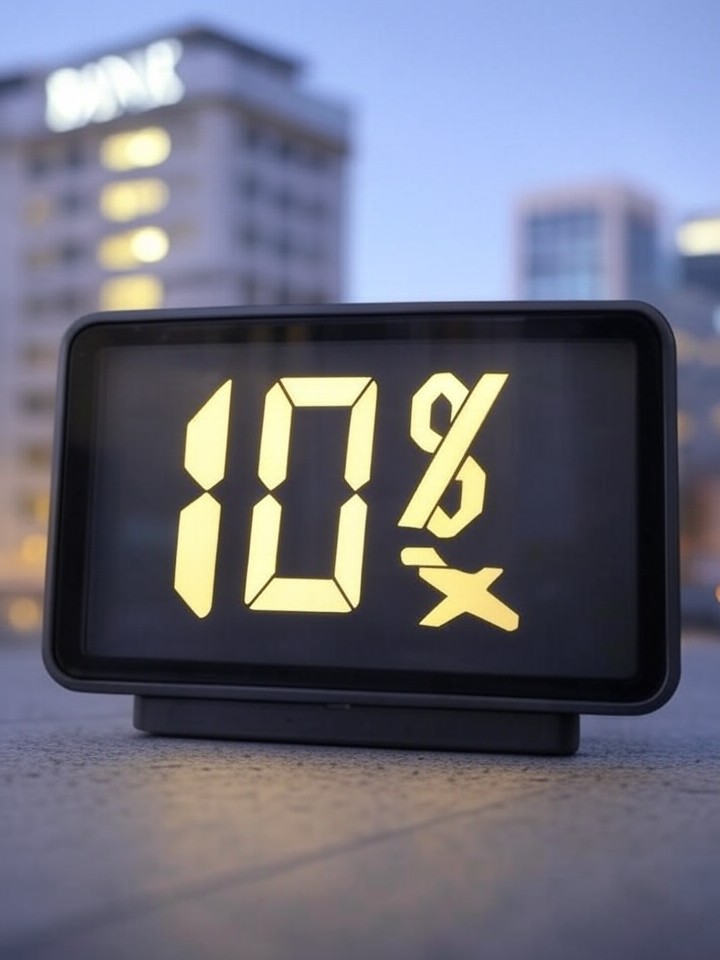
Trump’s Rate Revolution: Inside the Push to Cap Credit Card Interest at 10% and the Banking Backlash
In a move that has sent ripples through the financial sector, President Donald Trump has revived a campaign promise to impose a one-year cap on credit card interest rates at 10%. Announced just days ago, the proposal aims to provide relief to millions of Americans burdened by high-interest debt, potentially saving consumers tens of billions of dollars. Drawing from recent reports, this initiative comes at a time when average credit card rates hover around 20% to 25%, exacerbating financial strain amid lingering economic pressures.
The president’s call, detailed in a post on his Truth Social platform, urges credit card companies to voluntarily slash rates, with hints of potential executive action if they resist. This isn’t entirely new; Trump floated similar ideas during his 2024 campaign, positioning it as a way to combat what he calls exploitative practices by financial institutions. Critics, however, question the feasibility, pointing out that such a cap would require congressional approval or regulatory maneuvering, as highlighted in coverage from The Guardian.
Banking groups have swiftly pushed back, arguing that a 10% cap could disrupt the credit market by reducing availability for higher-risk borrowers. Industry advocates warn of unintended consequences, such as tighter lending standards or higher fees elsewhere to offset lost revenue. This reaction echoes sentiments from past regulatory battles, where caps on fees led to adjustments in other areas of consumer finance.
Industry Warnings and Economic Implications
Financial experts are dissecting the potential fallout. According to analysis in Reuters, banking advocacy groups like the American Bankers Association have voiced concerns that the cap would limit credit access, particularly for those with lower credit scores. They argue that interest rates reflect risk, and artificially lowering them could force lenders to pull back, leaving vulnerable consumers without options.
This proposal arrives against a backdrop of elevated interest rates set by the Federal Reserve, which have influenced consumer borrowing costs. Trump’s plan specifies a temporary measure starting January 20, 2026, aligning with his inauguration for a second term. Supporters see it as a populist win, potentially boosting his approval among working-class voters who feel squeezed by debt.
Yet, skeptics point to historical precedents. During the 2008 financial crisis, similar interventions aimed at curbing predatory lending sometimes resulted in reduced credit supply. A report from The New York Times notes that Trump previously rolled back other consumer protections, such as limits on late fees, making this revival surprising to some observers.
Voices from the Banking Sector
Major banks and credit card issuers, including giants like JPMorgan Chase and Citigroup, have not issued official statements, but industry insiders suggest internal preparations for lobbying efforts. The Consumer Bankers Association, representing retail banks, has publicly stated that such a cap could harm the very consumers it intends to help by driving up costs in other services.
On social media platforms like X, reactions vary widely. Posts from financial analysts highlight market jitters, with some predicting a dip in bank stocks if the proposal gains traction. One user, a market commentator, noted that banks might respond by curtailing rewards programs or increasing annual fees, drawing from discussions seen across recent threads.
Furthermore, The Washington Post reports that financial institutions are gearing up for a fight, emphasizing that the cap would be in effect by late January, leaving little time for adjustment. This timeline adds urgency, as lenders would need to recalibrate models quickly.
Political Support and Bipartisan Echoes
Interestingly, the idea has garnered bipartisan interest. Lawmakers from both parties have expressed support for measures to rein in high interest rates, as evidenced in CBS News coverage, which mentions endorsements from progressive Democrats and conservative populists alike. This cross-aisle appeal could pressure Congress to act, though doubts remain about swift legislative progress.
Trump’s announcement revives a pledge from his campaign trail, where he criticized “monopolies” in the credit industry charging exorbitant rates. Historical data shows credit card debt surpassing $1 trillion in the U.S., with many households paying hundreds in interest annually. Proponents argue that a cap could inject stimulus-like relief into the economy by freeing up disposable income.
However, economists caution against oversimplification. A study referenced in financial forums suggests that while short-term savings might occur, long-term effects could include innovation stifling in fintech, where higher rates fund riskier lending models.
Market Reactions and Investor Sentiment
Stock markets have shown mixed responses. Shares of major credit card companies dipped slightly following the announcement, reflecting investor concerns over profit margins. Analysts from firms like Goldman Sachs are modeling scenarios where revenue from interest drops by up to 50% for some portfolios, prompting shifts toward secured lending products.
On X, traders and investors are buzzing with predictions. Sentiment leans toward skepticism, with posts warning that the cap could lead to a credit crunch, especially for subprime borrowers. One thread discussed how banks might pivot to alternative revenue streams, such as merchant fees or premium services.
ABC News elaborates that the proposal could save Americans billions, but at the cost of industry opposition from groups that have historically supported Trump. This irony underscores the tension between his populist rhetoric and pro-business policies.
Regulatory Hurdles and Implementation Challenges
Implementing such a cap faces significant obstacles. Without congressional backing, Trump might rely on executive orders or agencies like the Consumer Financial Protection Bureau, but legal experts doubt their authority over interest rates, which are largely market-driven. Precedents from state-level usury laws vary, with some caps existing but often bypassed through national bank charters.
Industry reactions, as covered in PBS News, highlight immediate opposition, with banks arguing it undermines free-market principles. They point to potential job losses in the sector if profitability erodes.
Consumer advocates, conversely, applaud the move. Groups like the Consumer Federation of America argue that high rates trap people in debt cycles, and a cap could promote financial stability. Recent surveys show widespread public support, with polls indicating over 70% of Americans favor limits on credit card interest.
Global Context and Comparative Analysis
Looking abroad, countries like Canada and parts of Europe have implemented interest rate caps with mixed results. In the EU, caps on consumer credit have led to more cautious lending but also innovation in affordable finance options. U.S. banks fear a similar shift could disadvantage them competitively.
Discussions on platforms like Slashdot, as seen in a recent story at Slashdot, delve into tech angles, with users debating how fintech disruptors might fill gaps if traditional banks retreat. This tech-savvy perspective adds layers to the debate, suggesting blockchain-based lending could emerge as alternatives.
Moreover, economic models predict that a 10% cap might reduce overall credit card issuance by 15-20%, based on extrapolations from past rate interventions. This could disproportionately affect small businesses relying on credit lines.
Consumer Perspectives and Long-Term Effects
From the consumer side, stories abound of families crippled by compounding interest. Advocacy groups share anecdotes of rates climbing to 30% after missed payments, turning manageable debt into insurmountable burdens. Trump’s proposal taps into this frustration, promising a reset.
Yet, critics in financial circles warn of moral hazard, where lower rates might encourage reckless borrowing. Balancing relief with responsibility remains key, as noted in various analyses.
As the debate unfolds, stakeholders are watching closely. If enacted, this could mark a significant shift in consumer finance policy, challenging the status quo and prompting broader reforms.
Stakeholder Strategies and Future Outlook
Banks are already strategizing responses, including potential lawsuits or intensified lobbying. Trade associations plan to educate lawmakers on the risks, emphasizing data from previous regulatory changes.
On X, public sentiment is divided, with some users hailing it as a win against corporate greed, while others foresee economic fallout. This online discourse reflects broader societal divides on government intervention in markets.
Ultimately, the proposal’s fate hinges on political will and economic conditions. With inflation cooling but debt levels high, the timing might favor action. Industry insiders speculate that compromises, like phased implementations or exemptions for certain borrowers, could emerge.
Evolving Debates and Potential Compromises
Deeper dives into economic theory reveal parallels to price controls in other sectors, often leading to shortages. Here, the “shortage” could be credit itself, as lenders deem low rates unprofitable for riskier profiles.
Consumer protection experts advocate for complementary measures, such as financial literacy programs, to maximize benefits. Reports suggest that pairing the cap with debt counseling could mitigate downsides.
In the coming weeks, hearings and briefings are likely, as per sources tracking Capitol Hill. Trump’s team may push for quick wins to build momentum for his agenda.
Beyond the Cap: Broader Financial Reforms
This initiative doesn’t stand alone; it’s part of Trump’s broader economic vision, including tax cuts and deregulation. How it integrates with these elements will shape its impact.
Financial journalists are monitoring for ripple effects in related areas, like auto loans or mortgages, where similar caps could follow if successful.
As discussions progress, the interplay between policy, markets, and consumer needs will define this chapter in American finance, potentially reshaping borrowing dynamics for years to come.


 WebProNews is an iEntry Publication