
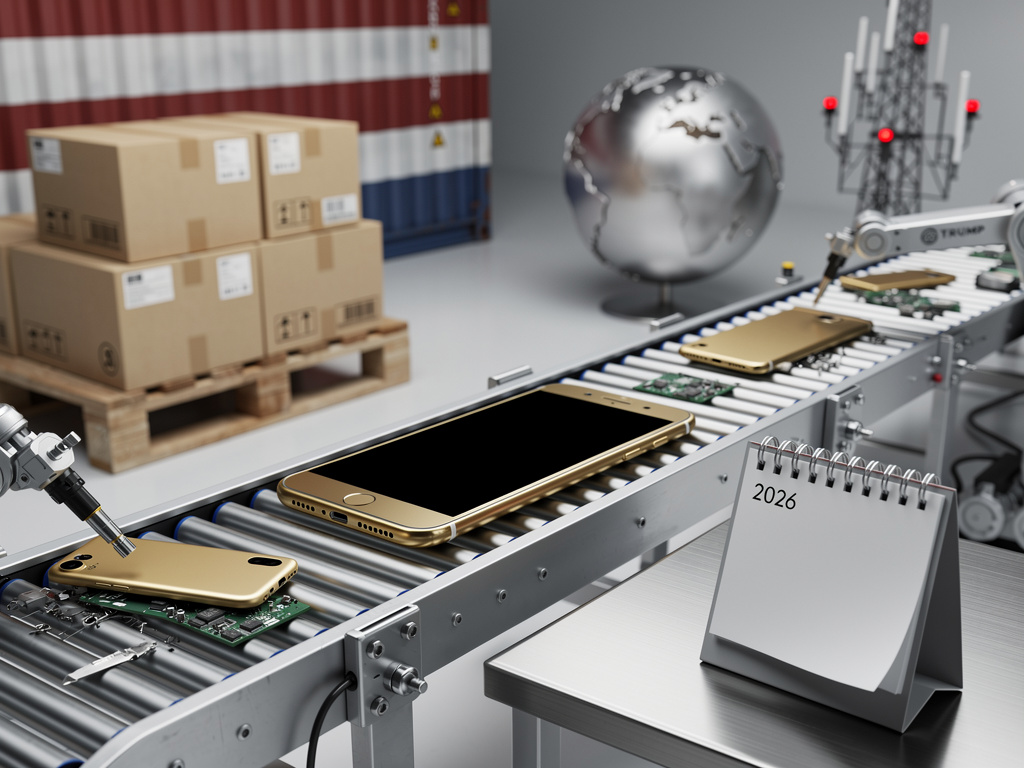
Golden Promises on Hold: Unpacking the Trump Mobile T1 Delay
In the ever-shifting world of consumer electronics, where innovation races against market demands, the story of Trump Mobile’s T1 smartphone stands out as a peculiar blend of ambition and setback. Announced with much fanfare in mid-2025, the gold-colored device was positioned as a patriotic alternative to giants like Apple and Samsung, promising “all-American service” and a made-in-the-USA ethos. Priced at $499, it boasted features such as a 6.8-inch AMOLED display, 50-megapixel camera, and Android 15, aiming to capture a niche of consumers drawn to its branding. Yet, as the calendar flipped to 2026, the phone remains elusive, its launch repeatedly postponed amid a tangle of logistical and regulatory hurdles.
The delays began almost immediately after the initial reveal. Originally slated for an August 2025 release, the timeline slipped to September, then October, and beyond, with customer deposits collected but no products shipped. Reports indicate that the recent U.S. government shutdown played a pivotal role, halting necessary Federal Communications Commission (FCC) approvals and disrupting supply chains. This isn’t just a minor hiccup; it’s a symptom of broader challenges facing new entrants in the highly regulated mobile sector, where certification processes can make or break a product’s viability.
For industry observers, the T1’s troubles highlight the complexities of launching a smartphone in today’s competitive arena. Trump Mobile, a venture tied to the Trump family business, entered the fray without the established infrastructure of tech behemoths. Sources close to the project reveal that initial promises of domestic manufacturing were scaled back, with conflicting details emerging about the phone’s origins. This has led to skepticism among potential buyers and analysts alike, questioning whether the device can deliver on its hype once it finally arrives.
Regulatory Roadblocks and Shutdown Fallout
The government shutdown, which gripped Washington in late 2025, emerges as a central villain in this narrative. According to a report from Fortune, Trump Mobile had to “pause everything on the FCC side of things,” directly attributing the delay to halted federal operations. This interruption affected not just approvals but also shipments, pushing the anticipated year-end launch into 2026. The shutdown’s ripple effects underscore how political events can intersect with technology deployments, a reality that seasoned executives in the sector know all too well.
Further complicating matters are supply chain disruptions, as detailed in coverage from ETTelecom. The venture faced issues sourcing components, exacerbated by global tensions and the shutdown’s impact on logistics. Industry insiders note that for a newcomer like Trump Mobile, lacking deep supplier relationships, these bottlenecks are magnified. The company’s customer service has communicated to preorder holders that shipments won’t occur until late January at the earliest, a timeline that has frustrated early adopters who paid $100 deposits.
Scrutiny has also fallen on the project’s transparency. Posts on X, formerly Twitter, reflect growing public impatience, with users highlighting scrubbed mentions of the “Made in the USA” promise from promotional materials. While not conclusive, this sentiment points to potential pivots in strategy, possibly shifting production overseas to cut costs and speed up delivery. Analysts suggest that such changes could alienate the core audience drawn to the device’s nationalist appeal, creating a delicate balancing act for the brand.
From Announcement to Anticipation: A Timeline of Setbacks
Tracing back to June 2025, the Trump Organization unveiled Trump Mobile with bold claims. A post on X from that period described the T1’s specs, including 12GB RAM, 256GB storage, and a headphone jack—features aimed at budget-conscious consumers seeking premium touches. The wireless service bundled with the phone promised competitive plans, positioning it as a full ecosystem play. However, by November, reports from NBC News noted the absence of the device, with customers left in limbo and conflicting prototype images circulating online.
The pattern of delays continued into December, as confirmed by The Guardian. The article detailed how the family business hit snags from the shutdown, affecting what was meant to be a timely end-of-year rollout. This isn’t isolated; similar ventures in the past, like celebrity-backed gadgets, have faltered under the weight of execution challenges. For Trump Mobile, the repeated postponements risk eroding consumer trust, a critical asset in an industry where word-of-mouth and reviews drive sales.
Industry experts draw parallels to other high-profile tech launches that stumbled. The T1’s situation echoes early troubles with products like the Nothing Phone or even established players’ supply woes during the pandemic. Yet, the political undertones add a unique layer, with some viewing the project as an extension of branding rather than pure innovation. As one telecom analyst remarked, the delays could force a reevaluation of the business model, potentially leading to partnerships with existing carriers to bolster credibility.
Market Implications and Consumer Sentiment
Peering into the broader market dynamics, the T1’s delay arrives at a time when smartphone sales are plateauing, with consumers holding onto devices longer amid economic pressures. Trump Mobile’s entry sought to disrupt this by appealing to a specific demographic, leveraging name recognition for market share. However, as Business Insider reported, the shift from an August launch to January 2026 represents a significant setback, potentially missing holiday sales windows and ceding ground to competitors.
Consumer sentiment, gauged from X discussions, reveals a mix of disappointment and skepticism. Posts lament the ongoing silence from the company, with some accusing it of collecting deposits without intent to deliver promptly. This echoes warnings from figures like Robert Reich, who highlighted the grift-like nature of prolonged delays. For insiders, this raises questions about refund policies and regulatory oversight, as the Federal Trade Commission could scrutinize such practices if complaints mount.
Moreover, the device’s specs, while solid for the price, face stiff competition from budget Android options like those from Motorola or Google. The gold aesthetic and branding might attract loyalists, but without timely delivery, enthusiasm wanes. Analysts predict that a successful 2026 launch could still carve out a niche, particularly if tied to exclusive content or services, but the window for impact is narrowing.
Behind the Scenes: Production and Strategy Shifts
Delving deeper into production woes, sources indicate that the initial “Made in the USA” pledge proved untenable due to cost and expertise barriers. Coverage from Android Headlines notes new delays pushing into 2026, attributing them to scaled-back ambitions. This pivot likely involves overseas manufacturing, a common route for affordability, but it contradicts the original narrative, potentially damaging the brand’s authenticity.
Strategic adjustments are evident in recent updates. A Financial Times report, referenced in Reuters, confirms the postponement of year-end deliveries. Insiders speculate that Trump Mobile is now focusing on refining the product to avoid launch-day glitches, learning from past tech flops. This could include software optimizations or enhanced security features, aligning with growing concerns over data privacy in mobile devices.
The venture’s ties to the Trump family add intrigue, blending business with politics. While not directly involved in governance, the shutdown’s impact—ironic given the family’s political history—highlights vulnerabilities. For industry players, this case study illustrates the perils of overpromising in a sector demanding precision and reliability.
Future Prospects and Industry Lessons
Looking ahead, the T1’s fate hinges on resolving these issues swiftly. CNET provides insights into the confusion surrounding the release, suggesting a 2026 rollout after initial uncertainties. If executed well, the phone could tap into underserved markets, offering a fresh alternative with its unique styling and service bundle. However, prolonged delays risk the project being labeled a vaporware, deterring investors and partners.
Lessons for the industry abound. New entrants must navigate regulatory mazes with contingency plans, as external factors like shutdowns can derail timelines. Established firms watch closely, noting how branding alone isn’t sufficient without robust operations. Trump Mobile’s experience underscores the need for transparency to maintain consumer loyalty amid setbacks.
Ultimately, as 2026 unfolds, the T1’s emergence could redefine niche marketing in tech or serve as a cautionary tale. With supply chains stabilizing and approvals resuming, there’s cautious optimism. Yet, for now, the golden smartphone remains a symbol of deferred dreams, its story a compelling chapter in the annals of mobile innovation.
Economic Ripples and Competitive Positioning
Economically, the delay impacts not just Trump Mobile but potential suppliers and retailers. The project’s promise of domestic jobs, now diluted, reflects broader debates on manufacturing revival. As Mashable detailed, repeated postponements cited in Financial Times reports signal deeper operational challenges. This could influence investor confidence in similar ventures, prompting a reevaluation of risk in politically flavored tech startups.
In terms of competitive positioning, the T1 aims to challenge mid-range devices with its specs and price point. However, rivals like Samsung’s A-series or Apple’s SE line have entrenched loyalty. The delay allows competitors to advance, with new models incorporating AI and foldable tech. Trump Mobile might counter by emphasizing customization or exclusive apps, but execution is key.
Public discourse on X amplifies these dynamics, with posts debating the project’s viability. While inconclusive, they capture a snapshot of frustration, urging the company to communicate more effectively. For insiders, this emphasizes crisis management in the digital age, where social media can amplify or mitigate damage.
Technological Hurdles and Innovation Potential
Technologically, the T1 faces hurdles in certification and integration. FCC pauses during the shutdown delayed essential testing for radio frequencies and safety. Once resolved, the device could innovate in areas like battery life or camera tech, as initially touted. Yet, without updates, speculation fills the void, with some X users questioning if specs have been downgraded.
Innovation potential lies in the bundled wireless service, promising seamless integration. If launched, it could disrupt MVNOs like Mint Mobile by offering branded perks. However, delays erode first-mover advantages, allowing others to fill gaps.
As the saga continues, Trump Mobile’s response will define its legacy. Transparent updates and a firm launch date could salvage reputation, turning setbacks into a narrative of resilience. In the intricate web of tech, politics, and business, the T1’s journey offers profound insights for all stakeholders.


 WebProNews is an iEntry Publication