
Trump’s White House Meeting with Intel’s CEO Signals Shift in U.S. Chip Policy
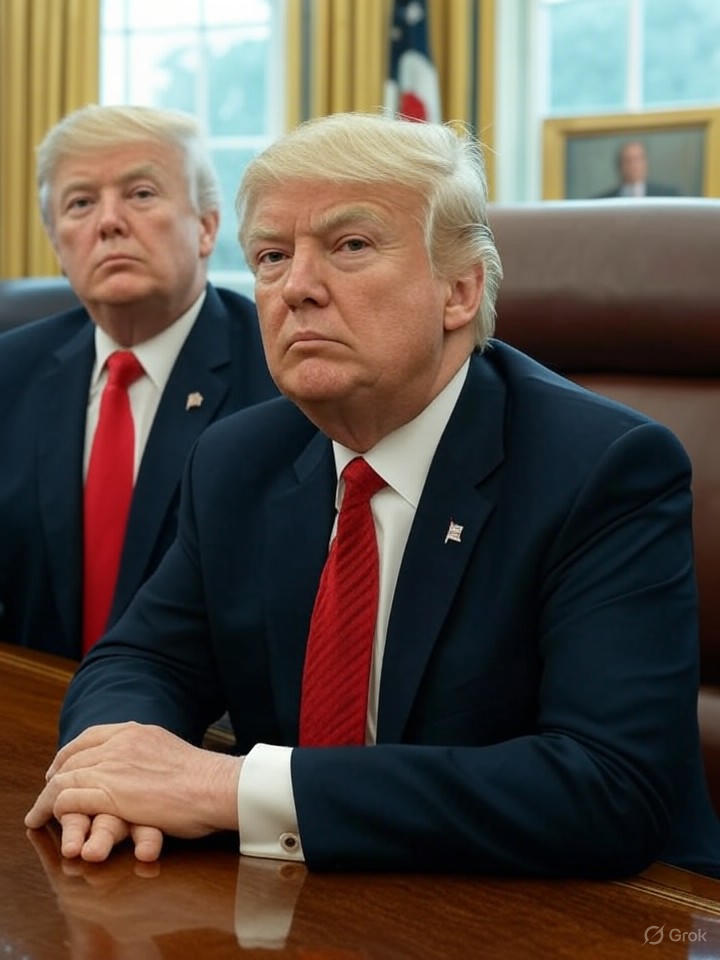
In a surprising turn of events, President Donald Trump hosted Intel Corp.’s Chief Executive Lip-Bu Tan at the White House on August 11, 2025, just days after publicly calling for Tan’s resignation over alleged conflicts tied to his past investments in Chinese firms. The meeting, confirmed by sources familiar with the matter, appears to mark a potential de-escalation in tensions that have roiled the semiconductor industry. Trump, who had labeled Tan as “highly conflicted” due to his extensive ties to China through venture capital firm Walden International, indicated that further discussions with Cabinet members would follow.
This encounter comes amid broader U.S. efforts to bolster domestic chip manufacturing and reduce reliance on foreign supply chains, especially from China. Intel, a key player in this strategy, has been navigating its own internal upheavals, making Tan’s position precarious yet pivotal.
From Gelsinger’s Exit to Tan’s Turbulent Tenure: Intel’s Leadership Rollercoaster
Pat Gelsinger’s abrupt retirement from Intel in December 2024, as reported by CNBC, stemmed from the board’s loss of confidence in his turnaround plan amid disastrous financial performance, including massive losses and market share erosion to rivals like Nvidia and AMD. Gelsinger, who had championed ambitious foundry expansions, left the company in disarray, prompting a search for a successor capable of steering Intel back to prominence.
Lip-Bu Tan, a semiconductor veteran with a storied career including leading Cadence Design Systems to exponential growth, was appointed CEO in March 2025. According to Ars Technica, Tan aimed to build on Gelsinger’s initiatives by focusing on AI overhauls, manufacturing efficiencies, and trimming bureaucratic bloat—moves that initially boosted Intel’s stock by 12%, as noted in a CNBC report.
China Ties Under Scrutiny: Trump’s Critique and Industry Backlash
Tan’s background, however, quickly became a flashpoint. Posts on X highlighted concerns over his investments in hundreds of Chinese companies, some allegedly linked to the military, raising red flags given Intel’s U.S. defense contracts. This scrutiny intensified when Trump demanded Tan’s ouster last week, citing national security risks, as detailed in a Bloomberg article.
Despite the pressure, support for Tan emerged from Silicon Valley heavyweights. Sequoia Capital’s Michael Moritz publicly defended him against what he called Trump’s “artless bullying,” per CNBC, emphasizing Tan’s expertise in revitalizing chip firms. Industry insiders, echoing sentiments from X discussions, argue that Tan’s global experience is essential for Intel’s recovery, particularly in competing with Taiwan’s TSMC.
Strategic Challenges Ahead: Balancing Geopolitics and Innovation
Intel’s path forward involves navigating U.S. tariffs and subsidies under the CHIPS Act, where Tan’s leadership is seen as crucial for securing government support. Reuters reported that the White House visit focused on Tan’s background and potential collaborations, suggesting Trump may prioritize pragmatic alliances over outright confrontation.
Yet, internal clashes persist. A Wall Street Journal exclusive revealed tensions between Tan and Intel’s board over revival strategies, compounded by external geopolitical risks. As Trump administration officials engage further, the outcome could reshape Intel’s trajectory and U.S. semiconductor dominance.
Outlook for Intel: Resilience Amid Uncertainty
For industry insiders, Tan’s ability to “finish the story” of Intel’s revitalization—as Gelsinger himself hoped in comments to Wccftech—hinges on resolving these conflicts. With stock volatility reflecting investor sentiment, as seen in Yahoo Finance coverage, the coming weeks will test whether this White House olive branch leads to stability or further upheaval.
Analysts predict that if Tan weathers the storm, Intel could accelerate its foundry ambitions, but failure might prompt another leadership shakeup, echoing Gelsinger’s fate. In this high-stakes arena, where technology meets politics, Intel’s fate may well define the next chapter of American innovation.


 WebProNews is an iEntry Publication