
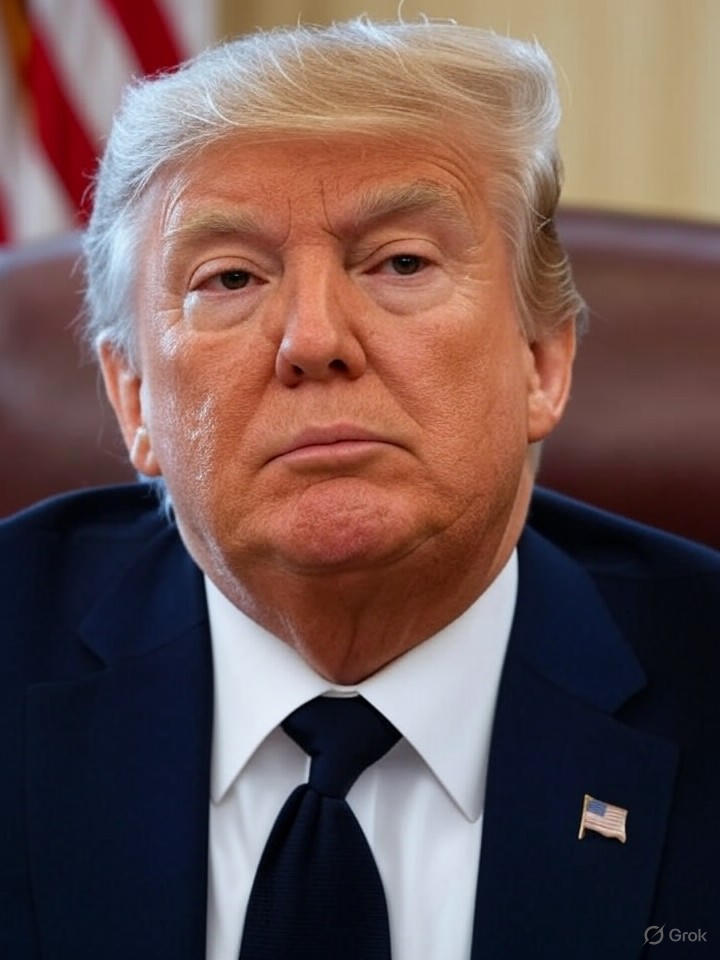
In a move that underscores the intricate dance between U.S. trade policy and tech giants, President Donald Trump has extended a reprieve on escalating tariffs for Chinese imports, providing Apple Inc. with what analysts are calling a significant boost to its fiscal fourth quarter. The executive order, signed just hours before a new wave of tariffs was set to take effect, delays the planned spike by another 90 days, according to a report from 9to5Mac. This extension comes at a critical time for Apple, whose supply chain remains heavily reliant on Chinese manufacturing, potentially averting immediate cost increases that could have rippled through to consumers and shareholders alike.
The decision follows a period of intense lobbying and high-profile engagements between the White House and Apple’s leadership. Just days prior, Apple CEO Tim Cook visited the White House to announce a massive $600 billion investment in U.S. operations over the next four years, a pledge that includes expanding domestic manufacturing and supply chain elements, as detailed in coverage from CNBC. This investment, which builds on an additional $100 billion commitment highlighted by The New York Times, appears to have influenced the tariff pause, allowing Apple to navigate its fiscal Q4 without the immediate burden of higher import duties.
The Tariff Tightrope: Balancing Trade and Tech Innovation
Industry insiders note that Apple’s vulnerability stems from its assembly operations, with 85-90% of hardware production based in China, as per insights from analysts shared on platforms like X (formerly Twitter). The proposed tariffs, which could have reached 54% on Chinese goods, threatened to inflate costs for iPhones and other devices, potentially eroding margins or forcing price hikes. By extending the pause, Trump has effectively handed Apple a window to accelerate its diversification efforts, such as shifting more production to India and Vietnam, though those regions face their own tariff risks under broader policy shifts.
This isn’t the first time trade tensions have spotlighted Apple’s global footprint. Earlier threats from the administration, including demands for “made-in-USA” iPhones, were temporarily sidelined following Cook’s White House discussions, as reported by CNBC. The reprieve aligns with Apple’s strategic announcements, including a symbolic gift from Cook to Trump—a customized piece of Apple-made glass—symbolizing the tech giant’s commitment to U.S. innovation, per Business Insider.
Market Reactions and Long-Term Implications for Supply Chains
Wall Street has responded positively, with Apple’s stock seeing a modest uptick in after-hours trading following the news. Analysts from firms like Wedbush, referenced in financial posts on X, had previously warned of “economic Armageddon” scenarios where tariffs could drive iPhone prices from $1,000 to $3,500, stifling AI progress and consumer spending. The 90-day extension provides breathing room, but it also raises questions about sustainability—will Apple meet its $600 billion pledge without further concessions?
For industry executives, this episode highlights the precarious interplay of geopolitics and corporate strategy. Trump’s policy, while protectionist, has extracted commitments like Apple’s expanded U.S. investments, potentially reshaping advanced manufacturing. Yet, as BBC coverage suggests, the pressure has yielded tangible pledges, with Apple aiming to bring more supply chain elements stateside. Insiders speculate this could accelerate trends toward onshoring, though challenges like skilled labor shortages and higher domestic costs loom.
Geopolitical Chess: Apple’s Role in U.S.-China Relations
Broader context reveals this as part of a larger U.S. strategy to counter China’s dominance in tech supply chains. The White House’s announcement of Apple’s investment surge, tied to tariff relief, positions the company as a key player in America’s economic resurgence. Reports from Yahoo Finance indicate that the $100 billion add-on specifically targets domestic job creation and tech infrastructure, a win for Trump’s agenda.
However, critics argue the pause merely delays inevitable confrontations. With Apple’s fiscal Q4 encompassing peak holiday sales, the timing couldn’t be better, potentially safeguarding billions in revenue. As one X post from a market analyst framed it, this is “a surgical decision within a geopolitical chessboard,” exempting key electronics to maintain innovation momentum amid escalating tensions.
Looking Ahead: Risks and Opportunities for Tech Giants
Looking forward, Apple’s ability to leverage this gift depends on executing its U.S. expansion without disrupting global efficiencies. The company’s recent beta updates to iOS, as noted in 9to5Mac‘s ongoing coverage, underscore its focus on software innovation, which could complement hardware shifts. Yet, if tariffs resume post-extension, gross margins might suffer a 9% hit, echoing warnings from Citibank analyses shared online.
Ultimately, this development exemplifies how trade policy can serve as both carrot and stick for multinationals. For Apple, the fiscal Q4 windfall may fuel record earnings, but it also binds the company closer to Washington’s whims, setting the stage for ongoing negotiations in an era of resurgent protectionism.


 WebProNews is an iEntry Publication