
Trump’s Silicon Olive Branch: Easing AI Chip Curbs to China Sparks Global Tech Realignment
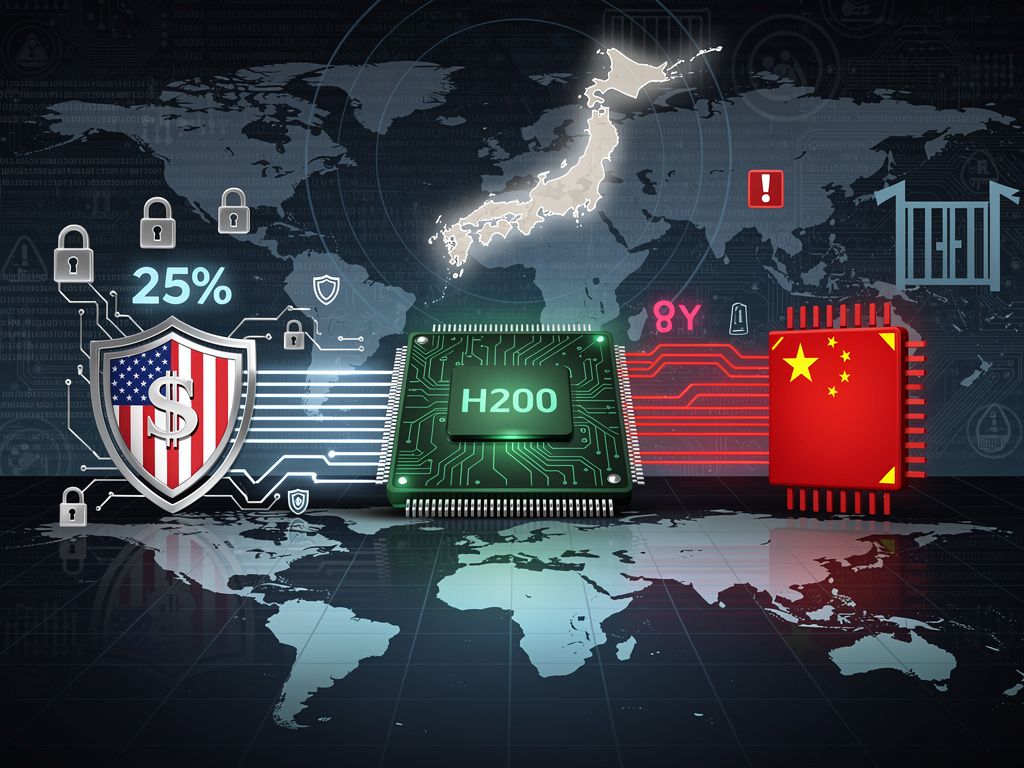
In a move that has sent ripples through the global technology sector, President Donald Trump has approved the sale of advanced AI chips by Nvidia Corp. to Chinese buyers, marking a significant shift in U.S. export policies. This decision, detailed in recent reports, comes amid ongoing tensions between the world’s two largest economies and raises profound questions about balancing economic interests with national security imperatives. The approval specifically allows Nvidia to export its H200 chips, a step down from its most cutting-edge models, but still a potent tool for artificial intelligence development.
The backdrop to this policy pivot is a complex web of geopolitical pressures. For years, U.S. administrations have imposed strict controls on semiconductor exports to China, fearing that such technology could bolster Beijing’s military capabilities or surveillance apparatus. Trump’s administration, however, appears to be charting a different course, prioritizing revenue-sharing deals and economic leverage over blanket restrictions. According to sources familiar with the matter, the arrangement includes a condition that the U.S. government receives 25% of the revenue from these sales, a novel approach to monetizing technology transfers.
This development has not gone unnoticed in international circles, particularly in Japan, where concerns about regional security are acute. Tokyo has been a key ally in U.S. efforts to contain China’s technological rise, and Trump’s relative silence on recent frictions with Japan over trade and defense has amplified anxieties. Analysts suggest this could signal a broader realignment in U.S. foreign policy, potentially at the expense of traditional alliances.
Navigating the Geopolitical Minefield of Semiconductor Trade
The decision to greenlight Nvidia’s H200 exports follows months of negotiations and lobbying from the tech industry. Nvidia, a titan in the AI chip market, has argued that overly restrictive policies harm American innovation and allow Chinese competitors to close the gap. Recent advancements by Chinese firms like Huawei in domestic chip production underscore this point, as they demonstrate Beijing’s determination to achieve self-sufficiency in critical technologies.
Critics, including national security hawks in Congress, warn that loosening controls could accelerate China’s AI prowess, potentially supercharging its military applications. A report from Reuters highlights concerns from hardliners who argue that Beijing might harness these chips for advanced weaponry or cyber operations. Democratic lawmakers have joined the chorus, slamming the move as a shortsighted prioritization of profits over protection.
Meanwhile, the economic stakes are enormous. Nvidia’s stock has fluctuated amid these policy shifts, reflecting investor uncertainty. The company’s agreement to share revenue with the U.S. government, as noted in coverage by CNBC, includes similar pacts with rival Advanced Micro Devices, suggesting a pattern of conditional exports designed to bolster federal coffers while maintaining some oversight.
Unpacking the Revenue-Share Model and Its Implications
At the heart of Trump’s strategy is this innovative revenue-sharing mechanism, which aims to turn potential security risks into financial gains. By demanding a 25% cut, the administration positions the U.S. as a direct beneficiary of China’s tech ambitions. President Trump has publicly stated that Chinese leader Xi Jinping responded positively to the proposal, indicating a thawing in bilateral relations that could extend beyond semiconductors.
However, this approach has drawn fire from within the Republican Party itself. GOP members, traditionally supportive of tough stances on China, express unease about the long-term consequences. An opinion piece in The Washington Post argues that allowing access to advanced semiconductors endangers both national security and the U.S. AI industry’s dominance, potentially eroding America’s technological edge.
Japan’s role in this equation adds another layer of complexity. Recent tensions with China over territorial disputes in the East China Sea have heightened Tokyo’s vigilance. Trump’s administration has notably softened its rhetoric on these issues, focusing instead on economic deals. This silence, as explored in a detailed analysis by The New York Times, represents a string of strategic gains for China, including loosened chip controls and muted criticism on regional security matters.
Japan’s Unease and the Broader Alliance Dynamics
For Japan, the implications are particularly stark. As a frontline state in any potential conflict with China, Tokyo relies heavily on U.S. technological and military support. The easing of chip exports could embolden Beijing’s assertiveness, especially in areas like the Senkaku Islands, where sovereignty disputes simmer. Japanese media, including The Japan Times, have raised questions about how far Trump will go to stabilize ties with Xi, potentially at the cost of allied trust.
Industry insiders point out that while the H200 is not Nvidia’s flagship product—models like Blackwell and Rubin remain banned—the chip still offers significant computational power. This could aid China’s development of AI for everything from autonomous vehicles to predictive analytics in defense. The conditional nature of the sales, with strict monitoring and vetted buyers, is meant to mitigate risks, but enforcement remains a challenge in China’s opaque regulatory environment.
Social media sentiment on platforms like X reflects a divided public. Posts from technology analysts express concern over the move’s potential to “supercharge” China’s military, echoing fears of an AI arms race. Others view it as a pragmatic step, arguing that outright bans have only accelerated China’s indigenous capabilities, as evidenced by breakthroughs in GPU production.
China’s Strategic Gains and U.S. Policy Shifts
China’s response to the approval has been measured but opportunistic. Reports indicate that Beijing is preparing its own restrictions on access to these chips, ensuring they go only to approved entities. This tit-for-tat dynamic, covered in financial outlets, underscores the ongoing cat-and-mouse game in global tech trade. Trump’s decision reverses decades of tightening restrictions, as chronicled in another New York Times article, prompting debates on whether short-term economic gains outweigh long-term security threats.
The broader context includes Trump’s overall China strategy, which blends confrontation with conciliation. While tariffs remain high in some sectors, the chip deal suggests a willingness to negotiate on high-stakes items. This has implications for global supply chains, where semiconductors are the lifeblood of modern economies. Companies like Nvidia must navigate these policies carefully, balancing compliance with market demands.
Looking ahead, experts anticipate further haggling. The U.S. Commerce Department, tasked with export controls, may impose additional safeguards, such as end-user verifications. Yet, the genie is out of the bottle; China’s progress in AI, fueled by both domestic innovation and selective imports, positions it as a formidable rival.
Economic Ramifications for Nvidia and Beyond
For Nvidia, the approval opens a lucrative market previously curtailed. China represents a massive opportunity for AI chip sales, with demand soaring in data centers and research institutions. However, the revenue share and monitoring requirements add layers of complexity to operations. CEO Jensen Huang has previously warned that shielding Chinese firms from competition could backfire, allowing them to dominate in isolation.
The deal also highlights the interplay between technology and diplomacy. By tying exports to revenue, Trump introduces a mercantilist flavor to foreign policy, reminiscent of historical trade pacts but applied to cutting-edge tech. Critics in BBC coverage question if this prioritizes dollars over defense, especially amid rising tensions in the Indo-Pacific.
Allied nations, including Japan, are watching closely. Tokyo’s investments in its own semiconductor industry, through partnerships with U.S. firms, could be undermined if China gains an unfair advantage. Recent Japanese press reports express outrage, drawing parallels to past betrayals in technology transfers.
The Future of AI Dominance in a Multipolar World
As the dust settles, the true test will be in implementation. Will the U.S. effectively monitor chip usage in China, or will diversions occur? Historical precedents, such as dual-use technologies finding military applications, fuel skepticism. Moreover, China’s retaliatory measures, like limiting rare earth exports, could escalate the stakes.
Industry observers note that this policy could reshape global AI development. With access to advanced chips, Chinese firms might leapfrog in areas like machine learning, challenging U.S. supremacy. Conversely, the revenue influx could fund American R&D, creating a virtuous cycle if managed wisely.
In Japan, policymakers are urging a reevaluation of alliances. The lack of vocal U.S. support on security issues with China has prompted calls for greater self-reliance, including bolstering domestic tech capabilities. This shift could alter the dynamics of U.S.-Japan relations, with ripple effects across Asia.
Ultimately, Trump’s chip gambit encapsulates the dilemmas of our era: how to harness technology’s promise while safeguarding against its perils. As nations jockey for position in the AI race, decisions like this will define the contours of power for decades to come, blending economic opportunism with strategic calculus in an increasingly interconnected world.


 WebProNews is an iEntry Publication