
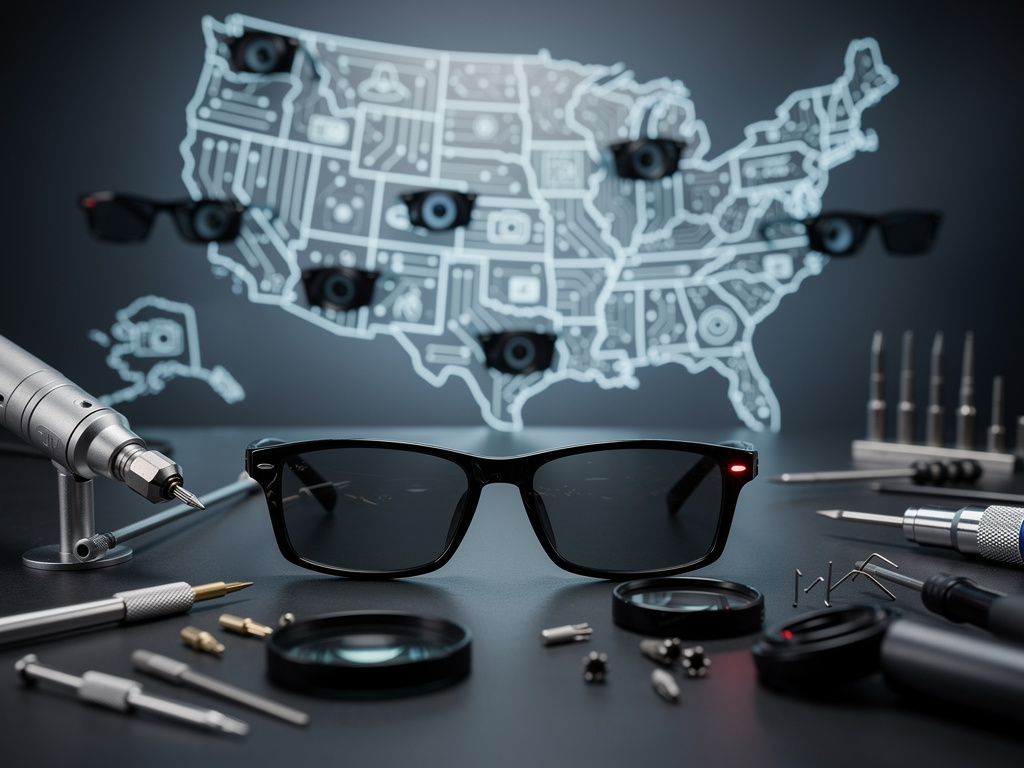
Users across the U.S. now pay strangers on Facebook Marketplace to permanently disable the small LED on Ray-Ban Meta smart glasses. The light was designed to alert bystanders that video or photos were being captured. Its removal creates devices capable of truly discreet recording. And the service listings call it “stealth mode.”
Former Verge editor Joanna Stern investigated the trend in a recent video report. She located offerings in 30 states. One modifier charged her $100 to drill out the indicator from a fresh pair of glasses. The Verge detailed her experience.
The process takes about 30 minutes. Technicians use precision drill bits and sometimes fill the resulting hole with resin or black tape. The glasses still function normally afterward. Voice commands work. Battery life may even improve slightly without the LED drawing power. Yet the visible signal meant to protect privacy vanishes completely.
Meta built that light for a reason. Company policies prohibit covering or disabling it. The indicator blinks during recording to give people nearby a chance to notice and object. But demand for unmodified glasses grew anyway. Some owners complained the light made candid videos feel staged. Subjects tensed up or questioned what was happening.
One Reddit user described drilling his own pair with a Dremel tool and tiny bits. He covered the hole with black electrical tape. “Now I can use my glasses without any LED, film without any complicated manipulations,” he wrote. The post gained traction among enthusiasts tired of workarounds like hand-covering the lens or applying temporary stickers. The full account appears on Reddit’s r/RaybanMeta.
Services popped up on Facebook Marketplace months ago. Sellers advertise in local groups and offer shipping. Some buy the glasses themselves for customers, modify them, and mail the finished product. Prices range from $60 to $100 depending on the work and location. A few tinkerers operate openly enough to appear in multiple states. Others keep a lower profile.
Tech news site 404 Media first highlighted a hobbyist charging a modest fee for the modification back in late 2025. Customers came from around the country. The modifier viewed it as a practical tweak for people who wanted authentic footage without drawing attention. “When people know they’re being filmed, they become unnatural,” one overseas engineer offering similar services told a Chinese publication. 404 Media reported the domestic operation.
But the practice raises immediate questions about consent. Smart glasses already blur lines between public and private spaces. Wearers can record continuously with a voice command or touch. The glasses resemble ordinary eyewear. Without the LED, bystanders have no reliable way to know they appear in someone else’s video. That gap grows more troubling as AI features improve and storage expands.
Privacy advocates warned about this risk years earlier. When the first version launched, testers covered the light with tape. Meta responded by enlarging the LED and making it blink. The company updated terms of service to ban such alterations. Yet enforcement stays difficult. Meta relies on users to follow rules. The hardware itself no longer prevents tampering once modified.
Recent reports show the problem persists. A Slashdot post on June 7 summarized the Facebook Marketplace activity and linked back to Stern’s video. It described a “black market” of tinkerers. Slashdot covered the latest surge. Discussions on X this week echoed similar concerns. Users posted about $50 or $60 mods that eliminate any warning.
Broader worries extend beyond the light. BBC News reported in May that Meta’s glasses sell strongly despite criticism. Some men approach women on beaches or streets while wearing the devices. They ask provocative questions and record reactions without clear disclosure. Experts called the technology an invasion of privacy that invites backlash. The BBC examined the tension between sales and concerns.
Meta maintains that media stays on the user’s device unless shared. Voice recordings for AI training go to the cloud. Contractors review some content to improve models. A Swedish investigation revealed those reviewers sometimes see intimate or sensitive footage from users who opted in. The company says it filters data and protects identities. Still, the reports fueled fresh distrust.
Electronic Frontier Foundation writers advised caution before buying. They noted the glasses’ design makes recording less obvious than pulling out a phone. Even with the stock LED, many people miss it. Once disabled, the device becomes a hidden camera anyone can wear in daily life. Legal rules vary by state. One-party consent laws allow secret audio in some places. Video rules differ. Yet few statutes address wearable computing directly.
DIY videos flood YouTube and TikTok. Some show tape tricks that Meta’s software now detects. The app warns users or refuses to record if it senses the light is blocked. Drilling bypasses that check. Other creators sell pinhole stickers or special films. A cottage industry supplies both the modifications and the tools to do them at home.
Industry watchers expect the trend to continue. Newer generations of smart glasses from Meta and competitors will likely include stronger indicators or software locks. But determined users find ways around them. The same pattern played out with dashcams, body cameras, and earlier wearable tech. Convenience wins out until regulation or public pressure forces change.
Stern’s experiment put a face on the service. She handed over her glasses. Watched the technician work. Received a pair that looked unchanged but recorded without any telltale glow. The video ends with her testing the modified device in public. No one notices. The light never comes on. That silence speaks volumes about where the technology heads next.
Meta has not commented publicly on the specific modification services. Its privacy page still describes the capture LED as a key signal for bystanders. The company encourages respect for others’ preferences about appearing in media. Whether those words match reality depends on users and the underground network now serving them.


 WebProNews is an iEntry Publication