
The Milk Carton Mystery: Tim Cook’s Holiday Tweet Sparks AI Furor Amid Apple’s Streaming Push
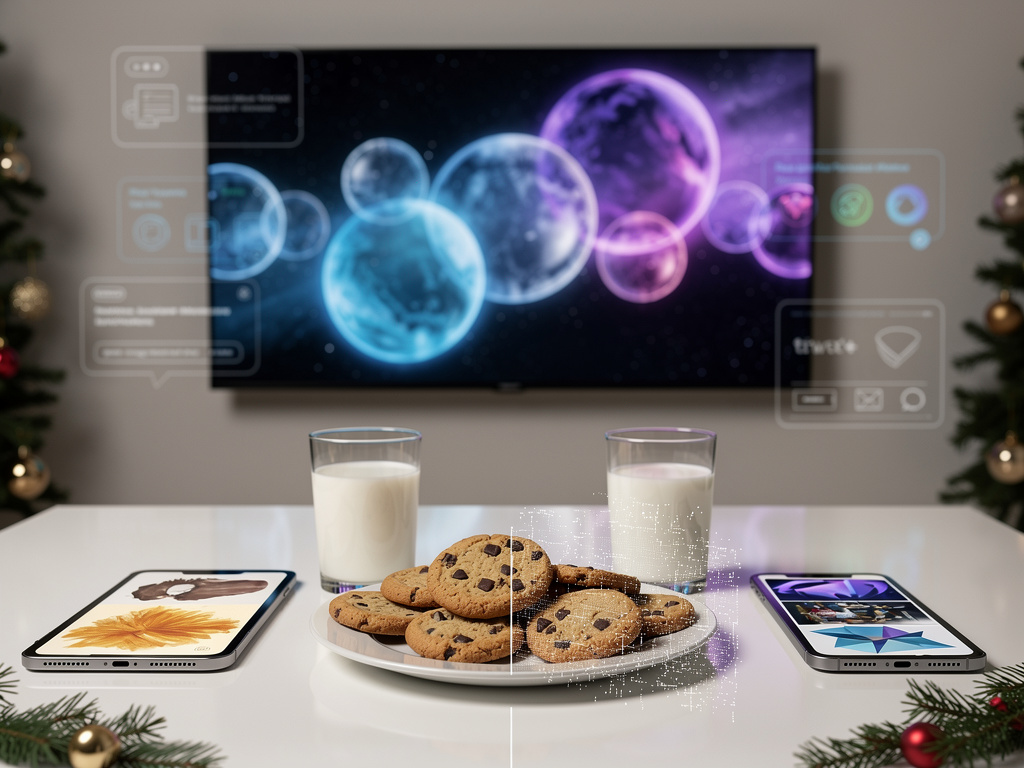
On Christmas Eve, Apple CEO Tim Cook took to X, formerly known as Twitter, to share what seemed like a lighthearted holiday message. Accompanied by an illustration of milk and cookies, the post wished followers a merry Christmas and teased the season finale of “Pluribus,” an Apple TV+ series. But what started as a festive promotion quickly snowballed into a viral controversy, with users accusing the image of being low-quality, AI-generated “slop.” The backlash highlighted growing tensions around artificial intelligence in creative fields, even as Apple clarified the artwork’s human origins.
The image in question depicted a glass of milk, a plate of cookies, and a milk carton with quirky details: labels reading both “Whole Milk” and “Lowfat Milk,” and a nonsensical “Cow Fun Puzzle” maze that didn’t quite add up. Critics on social media pounced, pointing out these inconsistencies as hallmarks of AI-generated art, which often produces bizarre errors in its rush to mimic human creativity. This incident came at a time when Apple is aggressively integrating AI into its ecosystem, making the accusations particularly stinging for a company that prides itself on polished, premium experiences.
Cook’s post, which garnered thousands of views and replies, was intended to drum up excitement for “Pluribus,” a sci-fi drama exploring themes of technology and society. The series, starring high-profile talent, represents Apple’s latest bid to compete in the crowded streaming market dominated by Netflix and Disney. Yet, the holiday tweet’s visual oddities overshadowed the promotional intent, turning a simple greeting into a referendum on AI’s role in marketing and art.
The Slop Accusation Takes Hold
As the post circulated, tech bloggers and industry watchers dissected the image. One prominent critique came from Daring Fireball, where writer John Gruber described the illustration as “weird looking” and highlighted sloppy details like the conflicting milk labels and the impractical puzzle on a waxy carton. Gruber speculated that it resembled a conflation of milk cartons and cereal boxes, fueling suspicions of AI involvement.
Social media amplified the debate. Posts on X reflected widespread skepticism, with users mocking the image as emblematic of “AI slop”—a term for hastily produced, error-ridden content generated by algorithms. One viral thread compared it to infamous AI mishaps, such as extra fingers in generated portraits or illogical scenes. This sentiment echoed broader concerns in creative industries, where artists fear displacement by tools like Midjourney or DALL-E.
Apple’s response was swift but measured. The official Apple TV account retweeted Cook’s message, crediting artist Keith Thomson and noting the artwork was “made on MacBook Pro.” This clarification aimed to quash the rumors, positioning the piece as a deliberate, whimsical creation rather than a botched AI output. Thomson, known for his modern take on Edward Hopper’s style, has a portfolio of playful, off-kilter illustrations that align with the image’s eccentricities.
Unraveling the Artist’s Intent
Delving deeper into Thomson’s work reveals a deliberate aesthetic that embraces imperfection. His pieces often feature surreal elements, blending everyday objects with unexpected twists—much like the holiday image’s maze on a milk carton. According to reports from Slashdot, Thomson’s style is whimsical and intentional, suggesting the “errors” were artistic choices rather than generative flaws.
The controversy also spotlighted “Pluribus,” the Apple TV+ show being promoted. Described as a thought-provoking series on AI and human connection, its season finale aired amid this uproar, potentially boosting viewership through unintended publicity. Industry analysts noted that while the tweet backfired in terms of optics, it succeeded in generating buzz, with searches for the show spiking post-controversy.
However, not everyone was convinced by Apple’s clarification. Skeptics on platforms like X pointed to the lack of a direct tag for Thomson in the initial posts, questioning whether the artist was a real collaborator or a convenient cover. Some even speculated about a scam, as referenced in Daring Fireball’s analysis, where the blog pondered if Apple had fallen for a ruse involving a similarly named individual.
Apple’s Broader AI Ambitions in the Spotlight
This incident unfolds against Apple’s evolving stance on artificial intelligence. Under Cook’s leadership, the company has positioned itself as a cautious innovator in AI, emphasizing privacy and quality over speed. Recent launches like Apple Intelligence features in iOS underscore this approach, with Cook himself defending the strategy in interviews, stating Apple aims to be “not first, but best.”
Yet, the holiday tweet irony wasn’t lost on observers. Here was Apple, a titan promoting ethical AI use, accused of deploying subpar generated content for a quick holiday plug. Coverage from PiunikaWeb detailed how the post “backfired” when users labeled it AI-generated slop, forcing Apple TV to intervene and affirm its human creation.
The debate extended to ethical implications. In an era where AI tools are democratizing content creation, distinguishing between human and machine output grows challenging. Artists and unions have voiced concerns over job losses, while companies like Apple navigate the fine line between innovation and authenticity. This event served as a microcosm of these tensions, prompting discussions on transparency in digital art attribution.
Public Sentiment and Media Echoes
Sentiment on X painted a picture of divided opinions. While some users hailed the clarification as proof of human ingenuity, others remained dubious, sharing memes and analyses that dissected the image’s anomalies. Posts from tech enthusiasts and critics alike reflected frustration with what they perceived as corporate laziness in holiday marketing.
Mainstream media picked up the story, amplifying its reach. A piece in Daily Dot recounted how Cook’s tweet “sent fans into a frenzy” over suspected AI use, with Apple stepping in to clarify. Similarly, Spyglass opined that the “slop” might not have been unintentional, tying it to the show’s themes and suggesting it could be a clever meta-promotion.
Video content on YouTube further fueled the fire. A clip titled “apple ceo tim cook posts a ai slop promo for christmas and everyone HATE it” garnered views by debating the image’s origins, contrasting Apple’s denial with visual evidence of oddities. This multimedia scrutiny underscored how quickly online narratives can spiral, especially around tech giants.
Implications for Apple’s Brand Strategy
For Apple, renowned for meticulous branding, this episode represents a rare misstep—or perhaps a calculated risk. Insiders suggest the company may have underestimated public sensitivity to AI in creative contexts, especially post-recent scandals involving deepfakes and misinformation. The promotion of “Pluribus,” a series delving into AI’s societal impacts, added layers of irony, as the show itself critiques technology’s overreach.
Comparisons to past controversies abound. Recall Cook’s previous criticisms of data exploitation by rivals, as reported in older Bloomberg pieces, where he lambasted practices that prioritize ads over privacy. This holiday flap contrasts with that image, potentially eroding trust among consumers wary of AI’s encroachment.
Looking ahead, Apple might refine its AI disclosure policies. Experts recommend watermarking or clear labeling for generated content, though in this case, the company insists none was used. The incident could influence how tech firms approach holiday marketing, favoring verified human elements to avoid similar backlashes.
Industry Ripples and Future Horizons
Beyond Apple, the controversy resonates across the tech sector. Competitors like Google and Meta face similar scrutiny over AI ethics, with calls for regulation growing louder. In creative fields, this event bolsters arguments for protecting human artists, as unions push for safeguards against AI displacement.
For “Pluribus,” the unintended spotlight might prove beneficial. Viewership data, though not yet public, could reveal a bump from the viral debate, turning a PR hiccup into a marketing win. As one analyst noted in a Machash republication of Daring Fireball’s take, the “weird looking” image’s details kept people talking.
Ultimately, this holiday hullabaloo encapsulates the double-edged sword of AI in modern life. As tools advance, distinguishing real from artificial becomes a societal challenge, one that even Apple, with its vast resources, isn’t immune to. The milk carton mystery may fade, but its lessons on authenticity and perception will linger in the tech world’s collective memory.
Reflections on Creativity in the AI Age
Artists like Keith Thomson find themselves at the center of such storms, their work scrutinized through an AI lens. Thomson’s Hopper-inspired whimsy, as praised in Slashdot’s coverage, reminds us that imperfection can be intentional art, not algorithmic error. This defense echoes broader artistic movements resisting AI’s homogenization of creativity.
Cook’s involvement adds a personal dimension. As Apple’s face, his tweets carry weight, and this one’s fallout highlights the perils of executive social media. Past X posts from figures like James Woods critiquing Apple’s focus on social issues over innovation provide context to the cynicism greeting such promotions.
In the end, the episode underscores a pivotal moment for technology and art’s intersection. With AI’s rapid evolution, companies must navigate public expectations carefully, ensuring transparency to maintain trust. For Apple, rebounding from this festive fiasco could involve doubling down on human-centric narratives, proving that in the race for innovation, quality and authenticity remain paramount.


 WebProNews is an iEntry Publication