
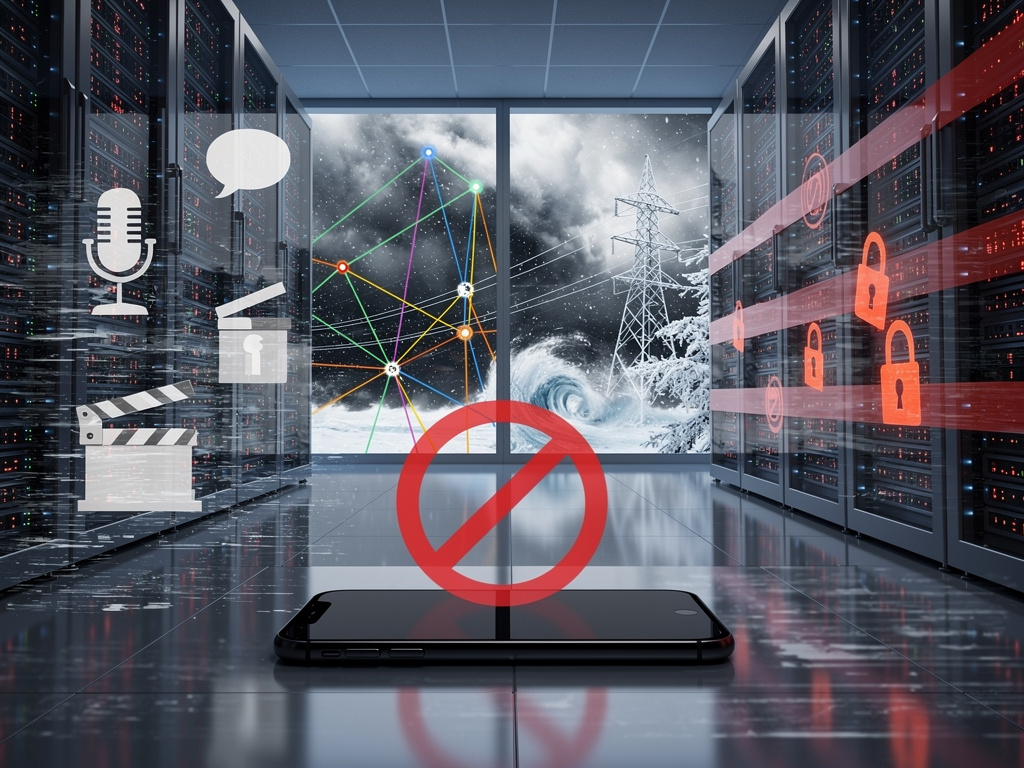
In the tense aftermath of a fatal shooting in Minneapolis, TikTok’s newly Americanized operations faced a barrage of censorship accusations as users claimed the app blocked videos criticizing Immigration and Customs Enforcement. The platform, fresh from a joint venture deal spinning off its U.S. arm from Chinese parent ByteDance, attributed the chaos to a data center power outage exacerbated by a winter storm. Yet suspicions linger among creators and politicians, testing the credibility of the app’s pivot to non-Chinese control.
Comedian Megan Stalter, known for her role in HBO’s Hacks, announced she was quitting TikTok on Instagram, declaring, “We are being completely censored and monitored.” She said she couldn’t upload ICE-related content, even when disguised as comedy. State Sen. Scott Wiener (D-Calif.), running for Congress, posted on X that his video on legislation targeting ICE agents sat at “zero views, and I’m not the only person this is happening to.” Sen. Chris Murphy (D-Conn.) amplified the claims, resharing a post calling the suppression “at the top of the list” of threats to democracy. Singer Billie Eilish and accounts like The Tennessee Holler also reported videos dropping to zero views.
Joint Venture Sparks Fears of Bias Shift
The uproar erupted days after ByteDance finalized the TikTok USDS Joint Venture on January 22, 2026, handing 80.1% control to U.S. and global investors including Oracle (15%), Silver Lake (15%), and Abu Dhabi-based MGX (15%), with ByteDance retaining 19.9%. Oracle executive chairman Larry Ellison, a Trump ally, fueled worries of a conservative tilt, especially amid ICE’s massive Minneapolis operation where agents fatally shot U.S. citizens Alex Pretti on January 24 and Renee Nicole Good earlier. The deal, upheld by the Supreme Court, aimed to sever Chinese data access and retrain the recommendation algorithm on U.S. data alone, as WIRED detailed.
TikTok’s U.S. entity insisted no algorithm changes had occurred since the announcement. A spokeswoman told The New York Times, confirming the content recommendation system licensed from ByteDance remained untouched, with retraining planned later. Users saw zero views or likes, upload failures, slow loads, and For You page glitches—symptoms the company pinned on a power outage at an unnamed U.S. data center, possibly Oracle’s, hit by Winter Storm Fern affecting 220 million Americans, per TechCrunch.
The TikTok USDS Joint Venture posted on X: “We’ve made significant progress in recovering our U.S. infrastructure with our U.S. data center partner. However, the U.S. user experience may still have some technical issues, including when posting new content.” It assured, “Your actual data and engagement are safe,” blaming server timeouts for phantom zeros. Downdetector logged over 663,000 U.S. complaints from Saturday to Monday, spanning political and non-political content, as BBC reported.
Technical Glitches or Targeted Suppression?
California Gov. Gavin Newsom launched a probe into potential suppression of anti-Trump content, citing reports of blocked ICE posts, per NBC News. A TikTok spokesperson countered to CNBC, “It would be inaccurate to report that this is anything but the technical issues we’ve transparently confirmed,” noting Minnesota incident videos were available since Saturday. Broader claims emerged of blocked “Epstein” mentions in messages, which the company denied prohibiting, vowing investigation.
Left-leaning creators like Aaron Parnas and Under the Desk News echoed Stalter’s complaints, as noted by Breitbart. The timing—amid ICE Acting Director Todd Lyons’ boast of the “largest immigration operation ever”—intensified scrutiny. Forbes highlighted fears over Ellison’s ties, while The Washington Post reported stalled videos on Pretti’s death. University of Colorado’s Casey Fiesler called skepticism understandable given the context.
Outage trackers showed widespread issues: searches failing, comments not loading, earnings vanishing temporarily. USA Today noted political videos normalized post-outage. TikTok head of communications Jamie Favazza told NBC News censorship fears were “unfounded.” New terms effective January 22 empowered the venture on moderation, storing data in Oracle’s U.S. cloud.
Investor Ties Fuel Political Firestorm
Critics like NYU’s Sol Messing linked outages to the storm but noted users’ wariness over Trump-aligned owners. The Wrap quoted creator Contino: “TikTok going down… has really emphasized… your entire world… could disappear overnight. It’s terrifying.” The venture launched a website, X account, and updated privacy policy, collecting more data, per WIRED.
As recovery progressed, videos resurfaced, but trust eroded. TikTok faces an early crucible: prove outages were mere misfortune, not a harbinger of moderated speech under new stewards. Creators diversified platforms amid fears, while the app recommits to full restoration.


 WebProNews is an iEntry Publication