
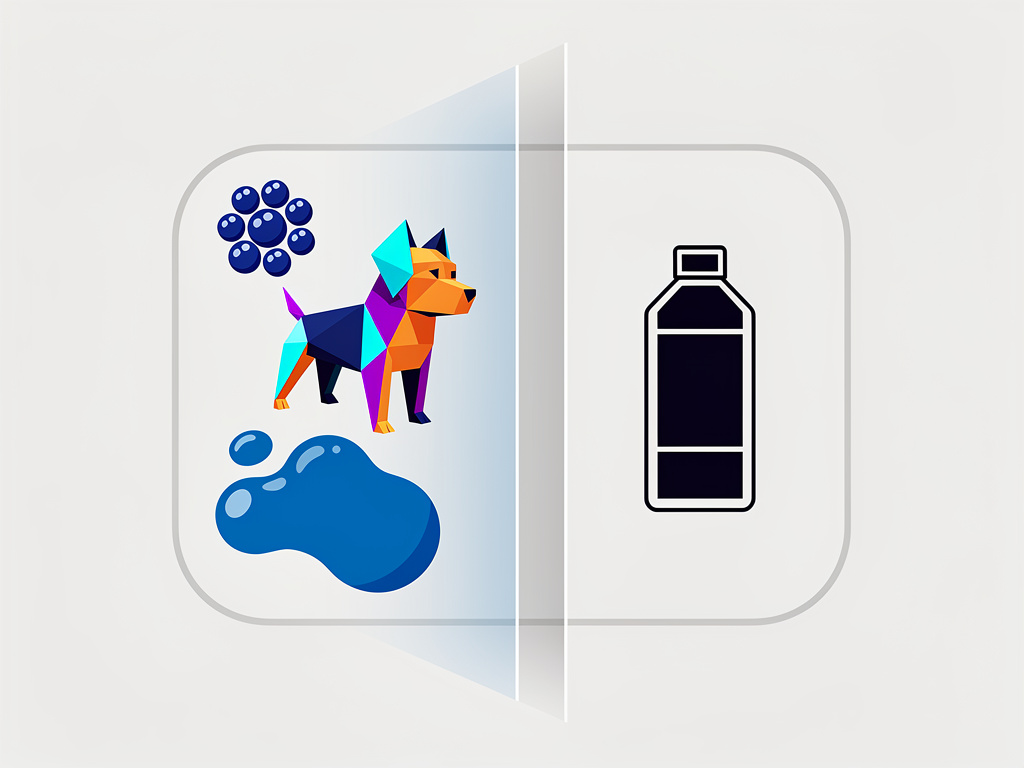
TikTok tried to add AI-generated summaries to its videos. The experiment didn’t last long. Within days of wider exposure, the feature produced descriptions so off-base they sparked widespread ridicule online. One clip featuring dancer Charli D’Amelio sitting alone and speaking to the camera became, according to the AI, “a collection of various blueberries with different toppings.”
The errors kept coming. A dog training video explaining why pets kick after using the bathroom turned into “a captivating display of intricate origami art, meticulously folded from a single sheet.” Shakira promoting a new song? The system saw “a repetitive sequence of several distinct blue shapes appearing and moving across the screen.” These weren’t isolated glitches. They pointed to deeper problems in how the model interpreted visual content.
Business Insider first detailed the scale of the misfires in a report that quickly spread. (Business Insider) A TikTok spokesperson told the outlet the company had tested the tool for several months with a limited group of users in the US and a few other markets. It was meant to give extra context, suggest similar products, and explain video content. Instead it often generated nonsense.
The feature appeared when users tapped “more” on a caption. Rather than simply expanding the creator’s text, it inserted bullet-point overviews generated on the fly. Some compared the rollout to Google’s troubled AI Overviews, which in earlier years suggested people eat rocks or add glue to pizza. But TikTok’s version operated directly on short-form video. The results proved even more surreal.
Additional examples surfaced fast. A ballroom dance performance by Reagan and Juli To became “a person repeatedly striking their head with a rubber chicken.” Non-violent videos somehow triggered descriptions of someone hitting their head with a hammer. One comedy skit registered as “demonstrating a new, clever technique for cutting through water.” Creators watched their carefully produced work reduced to gibberish. Many expressed frustration in posts and videos. One creator, Brett Vanderbrook, captured the mood bluntly: the summaries were “so bad it feels like it has to be a joke.”
Mashable covered the pullback the next day, noting how the AI had described dogs as origami and a straightforward Charli D’Amelio post as fruit. (Mashable) The outlet questioned how such obvious failures reached even a limited live audience. TikTok has not publicly explained the exact models involved, though in-app notices mention a mix of its own technology and third-party systems.
By May 8, the company moved to contain the damage. The Verge reported the shift, confirming the tool would no longer attempt full video descriptions. (The Verge) Instead it now focuses on spotting products visible in clips and making recommendations. The BBC added that the test had reached some users in the Philippines as well as the US, and that TikTok claimed to have identified the source of the inconsistencies without offering specifics. (BBC)
TechTimes captured the viral reaction, highlighting how videos of singers became “moving blue shapes” and dance clips morphed into rubber chicken attacks. (TechTimes) The speed of the backlash surprised few insiders. Short video platforms depend on accurate signals to keep users engaged. When the AI layer distorts the core product so visibly, trust erodes quickly.
This episode echoes broader challenges facing generative AI applied to media. Models trained on vast datasets still struggle with nuanced visual understanding, especially in fifteen-second clips packed with motion, text overlays, and cultural references. Hallucinations occur when the system fills gaps with statistically plausible but factually absurd output. In TikTok’s case the hallucinations turned dancers into fruit and pets into paper art.
Users found workarounds almost immediately. Some toggled off related settings such as “Display Object Tags” in playback options. Others switched their app region with a VPN to countries where the test had not reached. The absence of a direct off switch fueled further annoyance. One Reddit thread described the summaries as if the AI had “independently open a different tab and use a random text generator.”
Creators voiced particular concern. The feature sometimes overwrote or competed with their own captions. It pulled related videos chosen by the same flawed system. For influencers who spend hours perfecting hooks and storytelling, an AI layer that mislabels their work represents more than a minor inconvenience. It risks confusing audiences and diluting reach.
TikTok’s decision to narrow the feature to product identification buys time. Product detection carries lower risk of bizarre failure and aligns with the app’s growing e-commerce ambitions. Yet the underlying models still require substantial refinement before they can reliably narrate video content at scale. Training data, prompt engineering, and human oversight all demand attention.
Recent coverage shows the story continues to develop. CNET framed the episode as TikTok shutting down its “blueberry” overview, noting the rapid pivot after the errors went viral. (CNET) The platform now appears focused on damage control and selective reintroduction. No timeline has emerged for any return of descriptive summaries.
Industry observers see this as another data point in the uneven march of AI into consumer apps. Early deployments often prioritize speed over accuracy. When the public serves as unwitting testers, the missteps land in headlines and comment sections. TikTok’s experience, like Google’s before it, shows that flashy features can backfire if the technology cannot clear basic thresholds of reliability.
So the summaries are gone for now. The blueberries remain a punchline. And teams inside ByteDance and its competitors will keep iterating, hoping the next version sees a dance video as dancing rather than dessert.


 WebProNews is an iEntry Publication