
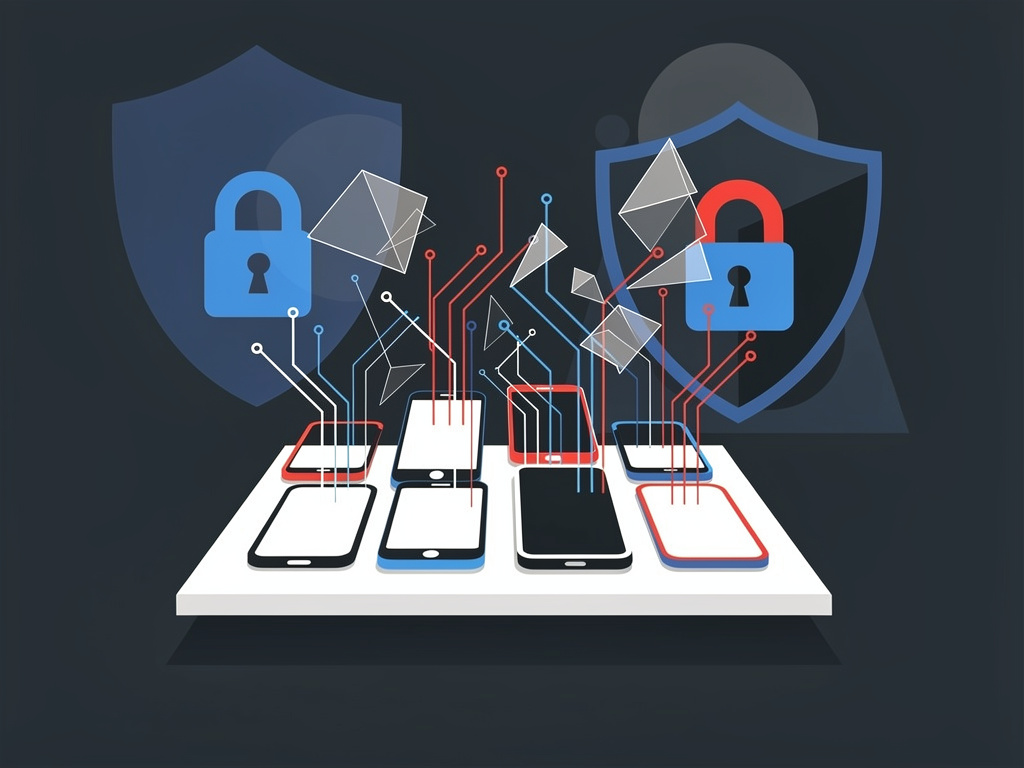
A package sits on the doorstep. Your name appears on the label. Inside rests a shiny new smartphone. But you never placed the order. Don’t power it on. Don’t scan any code. Don’t insert a SIM card. That device could hand thieves the keys to your financial accounts, credit history and personal data.
This scheme blends old-school physical deception with digital exploitation. Scammers ship prepaid phones loaded with malware or designed to capture information upon activation. They follow up with calls, texts or even in-person visits. Victims who engage risk everything from account takeovers to fraudulent lines opened in their names. The free phone identity theft scam exploits curiosity and the assumption that an unexpected gift must be legitimate.
Reports of the tactic surfaced years ago in Canada and England. A sheriff’s office in New York warned residents about it earlier this year. CNET detailed three variations on June 7, 2026: the porch drop that freezes after data entry, the mistaken shipment that tricks owners into returning their own phone, and the door-knock Medicare pitch that walks away with scanned insurance cards.
But the threat runs deeper. Criminals don’t stop at one phone. They harvest names, addresses, Social Security numbers and carrier details to commit subscriber fraud. The Federal Communications Commission explains how scammers use stolen personal information to convince carriers that a port-out request comes from the legitimate owner. Once successful, the victim’s phone number moves to a device under the fraudster’s control. Texts and calls reroute. Banks send verification codes to the wrong hands. The FCC warned about these port-out and SIM swap risks as recently as September 2025.
So the package arrives. A follow-up call claims a shipping error. The voice sounds official. It offers a prepaid label or asks for account confirmation. Hang up. Look up your carrier’s real number on your bill or official website. Call back. Real companies rarely chase down mistaken deliveries this way. And government agencies never demand sensitive data over unsolicited calls. The Federal Trade Commission stresses this point clearly in its phone scam guidance.
Yet people still activate the devices. Malware activates. Credential-stealing pages load. Or the phone itself serves as the entry point for larger identity theft. One activation can lead to new credit cards opened, tax refunds claimed or loans taken out. Checking accounts drain before the victim notices. And the effort scammers invest suggests high returns. They buy phones, print labels, sometimes show up in person. This isn’t casual spam. It’s targeted.
Related tactics have multiplied. Door-to-door operators in California pose as Medicare representatives and request insurance card scans for “free” government phones. Others set up tables in parking lots promising Lifeline program devices but demand personal details or small payments. The Better Business Bureau has flagged these offers for years. Recent social media posts from 2026 describe similar doorstep solicitations that turn aggressive when refused.
Carriers bear some responsibility too. Subscriber fraud, where accounts open using stolen identities, costs millions annually. Victims discover the debts months later. They face collections and damaged credit. The fix requires police reports, FTC filings and fraud alerts with Equifax, Experian and TransUnion. It takes time. Stress builds.
Prevention demands vigilance at every step.
Leave the unrequested package untouched if possible. Document it with photos. Contact the carrier using verified contact information only. Refuse any stranger who arrives to retrieve it. Real delivery services don’t send random people in personal vehicles. Monitor accounts weekly. Enable spam filtering on phones. Consider credit monitoring that alerts to new inquiries or accounts.
But technology alone falls short. Antivirus misses physical deliveries. Identity protection services notify after damage begins. Humans still decide whether to plug in that mystery phone. Trust instincts when something feels off. No legitimate business pressures immediate action over a free device.
If information slips out, act fast. Visit IdentityTheft.gov for a recovery plan. Place fraud alerts. Change all passwords. Notify banks. File reports with local police and the FTC. Evidence like security camera footage helps investigators. Patterns emerge when multiple victims report the same tactic.
The scam evolves. New variations appear as old ones get exposed. Door knocks replace porch drops in some areas. QR codes on packaging replace activation prompts. Yet the core stays constant. Scammers want data. They use deception and urgency to get it. A surprise phone isn’t luck. It’s bait.
Consumers armed with awareness stand the best chance. Share warnings with family. Check credit reports regularly at AnnualCreditReport.com. Question every unsolicited contact. The package on the porch might look harmless. The consequences never are.


 WebProNews is an iEntry Publication