
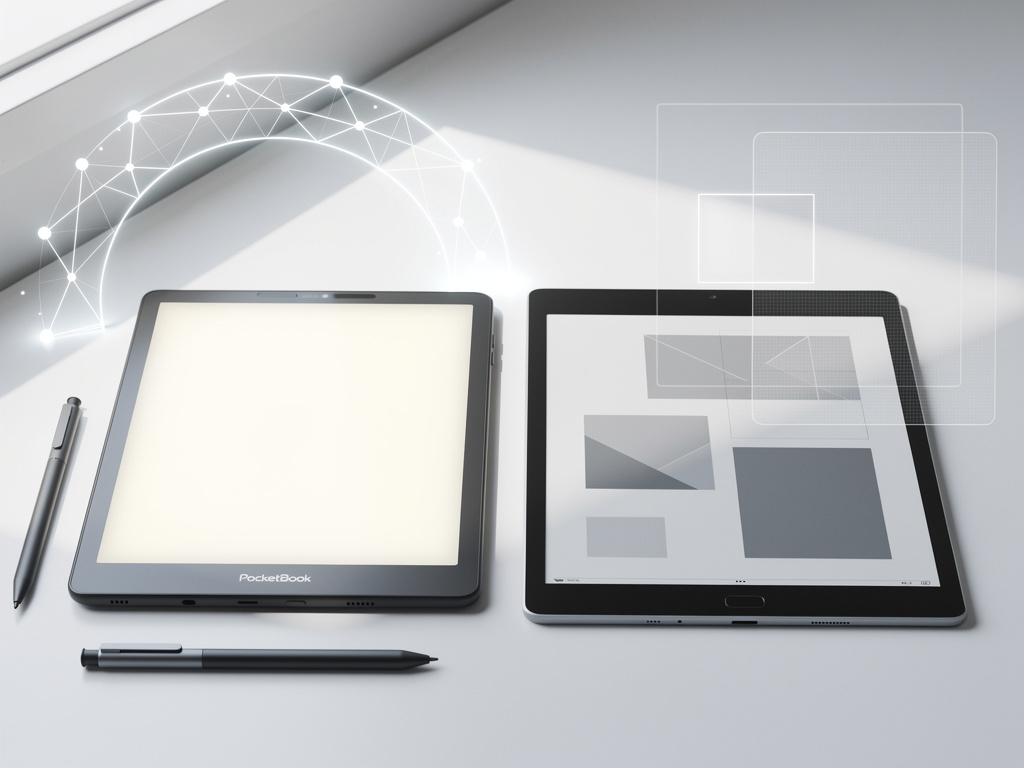
For years, the e-reader market has been dominated by a handful of entrenched players — Amazon’s Kindle ecosystem chief among them. But a new challenger has emerged that could reshape how serious readers and note-takers think about their devices. The InkPad One, a Linux-powered e-ink tablet from PocketBook, is positioning itself as a credible alternative to the Kindle Scribe, offering something that Amazon’s walled garden has never provided: genuine openness and user control.
The device, which has generated significant buzz among e-reader enthusiasts and open-source advocates alike, represents a philosophical departure from the mainstream approach to digital reading hardware. Where Amazon tightly controls the software experience on its Kindle devices, the InkPad One runs on a Linux-based operating system that gives users far more latitude in how they interact with their device — a proposition that could prove compelling for a growing segment of technically literate consumers who chafe at ecosystem lock-in.
Hardware That Matches the Kindle Scribe’s Ambitions
According to TechRadar, the InkPad One features a 10.3-inch E Ink Carta 1200 display — the same screen size that has become the standard for devices that aim to replace both e-readers and paper notebooks. The display supports stylus input, making it a direct competitor to Amazon’s Kindle Scribe, which launched in late 2022 and has since become the benchmark for large-format e-ink devices with writing capabilities.
The specifications are noteworthy. The InkPad One comes equipped with a Wacom-compatible stylus layer, which means it can work with a wide range of third-party styli rather than locking users into a proprietary accessory. The device features a flush-front design with a frontlight system that includes both warm and cool color temperature adjustment — a feature that has become table stakes for premium e-readers but remains important for extended reading sessions in varying lighting conditions. Storage and memory specifications position it competitively against the Kindle Scribe, which currently offers 16GB, 32GB, and 64GB configurations.
The Linux Advantage: Why Open Source Matters for E-Readers
What truly distinguishes the InkPad One from Amazon’s offering is its software foundation. PocketBook has long been one of the few e-reader manufacturers willing to build on Linux, and the InkPad One continues that tradition. This isn’t merely a technical curiosity — it has practical implications that matter enormously to power users.
Running Linux means the InkPad One supports a vast array of file formats natively, without requiring conversion through proprietary software. As TechRadar noted, PocketBook devices have historically supported formats including EPUB, PDF, MOBI, DJVU, FB2, and numerous others — a stark contrast to Amazon’s Kindle ecosystem, which has only recently begun supporting EPUB files and still steers users heavily toward its proprietary formats and storefront. For readers who source their books from multiple retailers, public libraries, or open repositories like Project Gutenberg, this flexibility is not a minor convenience — it is a fundamental requirement.
PocketBook’s Track Record and Market Position
PocketBook is not a newcomer to the e-reader space, though the company remains relatively obscure in the United States compared to its recognition in European markets. The Swiss-headquartered company (with significant engineering operations in Ukraine) has been manufacturing e-readers for well over a decade and has built a reputation among enthusiasts for producing hardware that prioritizes format compatibility and user autonomy over ecosystem monetization.
The company’s existing lineup includes devices ranging from compact 6-inch readers to larger-format tablets, and the InkPad branding has been used for its premium, larger-screened devices. The InkPad One appears to represent the company’s most ambitious product yet — a device designed not just for reading but for writing, annotation, and potentially even productivity tasks that have traditionally been the domain of devices like the reMarkable 2 and the Boox Note Air series.
The Competitive Field Is Getting Crowded — and More Interesting
The InkPad One enters a market segment that has become increasingly competitive. Amazon’s Kindle Scribe remains the most recognizable name, benefiting from Amazon’s massive retail distribution and the deep integration with the Kindle Store. But the Scribe has faced criticism from some users for its relatively limited note-taking capabilities compared to dedicated writing tablets, and its closed ecosystem continues to frustrate readers who want more control over their digital libraries.
The reMarkable 2, from the Norwegian startup reMarkable, has carved out a strong niche among professionals who prioritize the writing experience above all else. Its paper-like feel and minimalist interface have won devoted fans, but the device’s limited reading capabilities and subscription-based model for cloud features have drawn criticism. Meanwhile, Chinese manufacturer Boox has been aggressively expanding its lineup of Android-based E Ink tablets, offering devices that can run virtually any Android app — including Kindle, Kobo, and other reading apps — giving users maximum flexibility at the cost of a sometimes unpolished software experience.
Why Linux Could Be the Sweet Spot
The InkPad One’s Linux foundation positions it in an interesting middle ground. Unlike the Kindle Scribe, it is not locked into a single content ecosystem. Unlike Boox devices, it does not rely on Android — an operating system that, while flexible, was never designed for E Ink displays and can feel sluggish and inconsistent on such hardware. And unlike the reMarkable 2, which also runs Linux but severely restricts what users can do with the device out of the box, PocketBook has historically taken a more permissive approach to user customization.
For the technically inclined, a Linux-based e-reader also opens the door to community modifications and custom software. The open-source community has a long history of extending the capabilities of Linux-based devices in ways their manufacturers never anticipated, and PocketBook’s platform has been no exception. Users have developed custom reading applications, dictionary tools, and workflow integrations that go well beyond what the stock software provides. This kind of community-driven innovation is virtually impossible on Amazon’s locked-down Kindle platform.
The Price Question and Market Viability
One of the critical factors that will determine the InkPad One’s success is its pricing. The Kindle Scribe currently starts at $389.99 in the United States, while the reMarkable 2 is priced at $449. Boox’s competing devices, such as the Note Air series, typically fall in the $400-$500 range depending on configuration. PocketBook’s pricing for the InkPad One will need to be competitive with these established players, particularly given the company’s lower brand recognition in North American markets.
As reported by TechRadar, the device’s specifications suggest it is being positioned as a premium product, which means PocketBook is likely targeting the $350-$500 price band. At the lower end of that range, it could represent a compelling value proposition against the Kindle Scribe; at the higher end, it would need to demonstrate clear advantages in build quality, software capability, or both to justify the premium over Amazon’s heavily subsidized hardware.
What This Means for the Future of Digital Reading
The arrival of the InkPad One is significant not just as a product launch but as a signal about the direction of the e-reader market. For years, the conventional wisdom has been that Amazon’s dominance was essentially unassailable — that the combination of the Kindle Store’s vast library, Amazon’s retail reach, and the company’s willingness to sell hardware at or below cost made it nearly impossible for competitors to gain traction.
But consumer attitudes are shifting. Growing concerns about digital ownership — highlighted by incidents where Amazon has remotely removed purchased content from users’ devices — have made some readers wary of depending entirely on a single company’s ecosystem. The rise of digital privacy awareness and the increasing popularity of open-source software have created a receptive audience for products that offer greater user autonomy. And the success of devices like the reMarkable 2 has demonstrated that there is a viable market for premium e-ink hardware outside of Amazon’s orbit.
The InkPad One’s bet is that enough consumers now value openness and flexibility to sustain a premium alternative to the Kindle Scribe. If PocketBook can deliver on the hardware promise while maintaining the software freedom that has long defined its brand, the device could mark a turning point — not just for PocketBook, but for the broader e-reader industry. The question is whether the average consumer cares enough about Linux and open file formats to choose principle over the convenience of Amazon’s seamless, if restrictive, ecosystem. For a growing number of readers, the answer increasingly appears to be yes.


 WebProNews is an iEntry Publication