
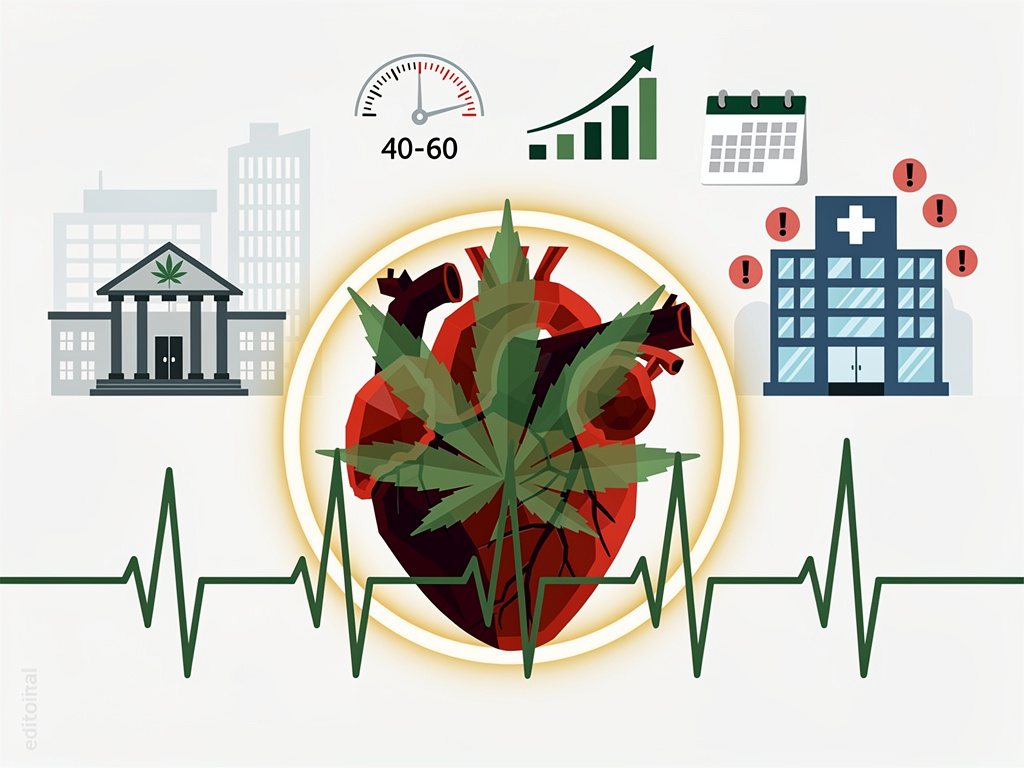
The intersection of cannabis legalization and cardiovascular health has emerged as one of the most pressing yet underexamined public health issues facing middle-aged Americans today. As recreational marijuana use becomes increasingly normalized across the United States, a growing body of research reveals troubling connections between cannabis consumption and serious heart conditions, particularly among adults over 45 who represent the fastest-growing demographic of users.
According to Medical Xpress, the cardiovascular risks associated with cannabis use in middle-aged adults have become a significant concern for healthcare providers. The publication highlights that while younger users have dominated public perception of cannabis consumption, the demographic shift toward older users presents unique medical challenges that the healthcare system is ill-prepared to address. This trend coincides with a period when many adults are already managing multiple cardiovascular risk factors, creating a potentially dangerous confluence of health threats.
The physiological mechanisms through which cannabis affects the cardiovascular system are complex and multifaceted. When THC, the primary psychoactive compound in cannabis, enters the bloodstream, it triggers an immediate increase in heart rate and blood pressure. For middle-aged adults whose cardiovascular systems may already be compromised by decades of lifestyle factors, these acute effects can prove particularly hazardous. The compound also affects the autonomic nervous system, disrupting the body’s natural ability to regulate cardiovascular function during stress or physical exertion.
The Demographic Shift Driving New Health Concerns
The profile of the typical cannabis user has undergone a dramatic transformation over the past decade. While marijuana consumption was once predominantly associated with younger demographics, data now shows that adults aged 45 and older represent one of the fastest-growing segments of cannabis consumers. This shift has been driven by multiple factors, including increased legalization, reduced social stigma, aggressive marketing by the cannabis industry, and the widespread perception that marijuana represents a natural alternative to prescription medications for pain management and anxiety relief.
This demographic evolution carries profound implications for public health. Middle-aged adults are substantially more likely than their younger counterparts to have pre-existing cardiovascular conditions, including hypertension, atherosclerosis, and coronary artery disease. They are also more likely to be taking multiple medications that may interact unpredictably with cannabis compounds. The convergence of these factors creates a perfect storm of cardiovascular risk that has only recently begun to receive adequate attention from researchers and clinicians.
Understanding the Cardiovascular Mechanisms at Play
The relationship between cannabis and cardiovascular health extends far beyond the immediate effects of elevated heart rate and blood pressure. Research has identified multiple pathways through which cannabis consumption can compromise cardiovascular function over both short and long time horizons. The endocannabinoid system, which cannabis compounds directly influence, plays a crucial role in regulating inflammation, platelet aggregation, and vascular tone—all critical factors in cardiovascular health.
One of the most concerning findings involves cannabis’s effects on cardiac rhythm. Studies have documented cases of atrial fibrillation and other arrhythmias associated with marijuana use, conditions that significantly increase stroke risk. The vasoconstrictive properties of THC can reduce blood flow to the heart muscle, potentially triggering angina or even myocardial infarction in susceptible individuals. Additionally, the combustion products from smoked cannabis contain many of the same harmful compounds found in tobacco smoke, including carbon monoxide and particulate matter that can damage the cardiovascular system through oxidative stress and inflammatory responses.
The Challenge of Inadequate Research and Clinical Guidance
Despite the growing prevalence of cannabis use among middle-aged adults, the medical community faces a significant knowledge gap regarding optimal screening, risk assessment, and patient counseling strategies. The federal classification of cannabis as a Schedule I controlled substance has historically impeded large-scale, rigorous clinical research, leaving healthcare providers with limited evidence-based guidance for addressing cannabis-related cardiovascular risks with their patients.
This research deficit has real-world consequences for clinical practice. Many physicians report feeling unprepared to discuss cannabis use with patients or to accurately assess how marijuana consumption might interact with existing cardiovascular conditions and treatments. The lack of standardized screening protocols means that cannabis use often goes undetected or undiscussed during routine medical encounters, even when such information could be critical for understanding a patient’s cardiovascular risk profile or explaining puzzling symptoms.
The Intersection of Cannabis Policy and Public Health
The rapid expansion of legal cannabis markets has outpaced the development of adequate public health infrastructure to address associated risks. While states that have legalized recreational marijuana have implemented various regulatory frameworks, few have prioritized cardiovascular health education or established robust systems for monitoring and addressing cannabis-related cardiovascular events. The cannabis industry’s marketing practices, which often emphasize potential benefits while minimizing risks, have contributed to widespread misconceptions about the safety profile of marijuana products, particularly among older adults who may be especially vulnerable to cardiovascular complications.
The economic incentives driving cannabis legalization have sometimes overshadowed public health considerations. Tax revenues from legal marijuana sales have proven substantial, creating political pressure to expand rather than restrict access. However, the long-term healthcare costs associated with cannabis-related cardiovascular events may ultimately offset these financial benefits, particularly as the population of middle-aged and older users continues to grow. Public health advocates argue for more balanced approaches that acknowledge both the individual liberty arguments for legalization and the legitimate health concerns that warrant regulatory attention and public education efforts.
Risk Stratification and Clinical Decision-Making
Healthcare providers face the challenging task of identifying which patients face the greatest cardiovascular risks from cannabis use. Several factors appear to significantly elevate risk, including pre-existing cardiovascular disease, family history of heart problems, concurrent use of other substances including tobacco and alcohol, and the presence of traditional cardiovascular risk factors such as diabetes, obesity, and hyperlipidemia. The method of cannabis consumption also matters, with smoked marijuana generally posing greater cardiovascular risks than edible products, though edibles present their own challenges related to delayed onset and difficulty controlling dosage.
The frequency and quantity of cannabis use represent additional critical variables in risk assessment. While occasional use may pose minimal risk for otherwise healthy individuals, daily or near-daily consumption—which has become increasingly common—appears to substantially elevate cardiovascular risk. The potency of modern cannabis products, which often contain THC concentrations far exceeding those of marijuana available in previous decades, further complicates risk assessment and counseling efforts.
The Path Forward for Healthcare Systems
Addressing the cardiovascular risks of cannabis use among middle-aged adults will require coordinated efforts across multiple fronts. Healthcare systems must prioritize the development and implementation of standardized screening protocols that routinely assess cannabis use as part of comprehensive cardiovascular risk evaluation. Medical education programs need to better prepare physicians and other healthcare providers to engage in informed, non-judgmental conversations with patients about marijuana use and its potential health implications.
Research infrastructure must expand to support rigorous investigation of cannabis’s cardiovascular effects across diverse populations and usage patterns. This will require both increased federal funding and reforms to regulatory frameworks that have historically impeded cannabis research. Public health campaigns should provide balanced, evidence-based information about cardiovascular risks, particularly targeting middle-aged adults who may underestimate their vulnerability. These efforts must navigate the challenging task of communicating genuine health concerns without resorting to the kind of exaggerated fear-mongering that characterized earlier anti-drug campaigns and ultimately undermined public trust.
Implications for Individual Decision-Making
For middle-aged adults currently using or considering cannabis, the emerging evidence on cardiovascular risks demands careful consideration and informed decision-making. Individuals with known cardiovascular disease or significant risk factors should discuss cannabis use with their healthcare providers before initiating or continuing consumption. Those who choose to use marijuana should be aware of warning signs that might indicate cardiovascular complications, including chest pain, shortness of breath, irregular heartbeat, or unexplained dizziness, and should seek immediate medical attention if such symptoms occur.
The conversation around cannabis and cardiovascular health ultimately reflects broader tensions in American society between individual autonomy, commercial interests, and public health imperatives. As legalization continues to expand and the population of middle-aged cannabis users grows, the cardiovascular implications of this trend will become increasingly difficult to ignore. Whether the healthcare system, policymakers, and the public can adapt quickly enough to address these emerging risks remains an open and critical question with profound implications for the health of millions of Americans navigating middle age in an era of unprecedented cannabis accessibility.


 WebProNews is an iEntry Publication