
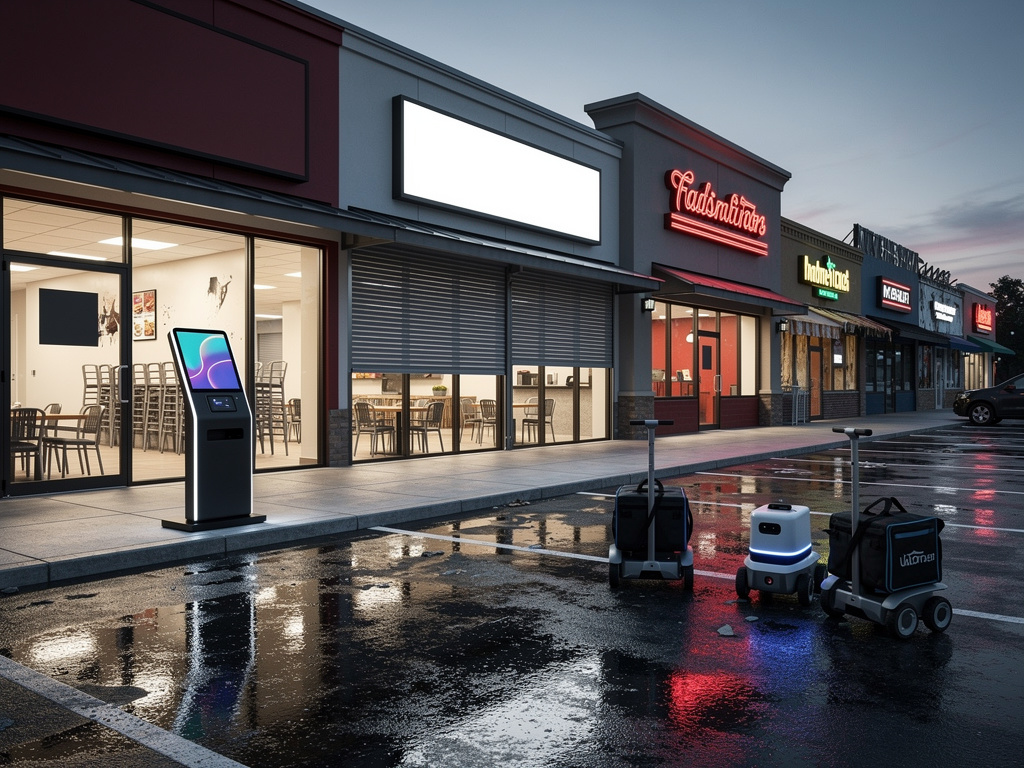
Across the United States, some of the most recognizable names in the restaurant industry are pulling back, closing hundreds of locations in a wave of consolidation that signals a fundamental reckoning with shifting consumer habits, rising costs, and an oversaturated market. From fast-food giants to casual dining stalwarts, the closures paint a sobering picture of an industry under extraordinary pressure — and one that may look dramatically different by the time the dust settles.
The scale of the pullback is striking. According to Business Insider, major chains including Denny’s, TGI Fridays, Red Lobster, Applebee’s, and several others have announced significant location closures, with some brands trimming their footprints by double-digit percentages. The trend is not confined to a single segment of the market — it spans fast food, fast casual, and full-service dining alike, suggesting that the forces at work are structural rather than cyclical.
Casual Dining Bears the Heaviest Burden
No segment has been hit harder than casual dining, the category that once defined the American suburban eating-out experience. Red Lobster, the seafood chain owned by Thai Union Group, filed for Chapter 11 bankruptcy protection in 2024 and closed dozens of locations as part of its restructuring. The chain, which had already been struggling with declining traffic and an ill-fated endless shrimp promotion that cost the company tens of millions of dollars, has become a cautionary tale about the dangers of promotional overreach and corporate mismanagement.
TGI Fridays has similarly been forced into a dramatic contraction. The chain, once a cultural icon synonymous with happy hours and flair-wearing servers, filed for bankruptcy and announced widespread closures. As Business Insider reported, the brand’s struggles reflect a broader consumer migration away from mid-priced sit-down restaurants toward either cheaper fast-casual options or higher-end dining experiences. The middle ground that casual dining once occupied has become increasingly inhospitable.
Denny’s and Applebee’s: Shrinking to Survive
Denny’s, the 24-hour diner chain that has been a fixture of American roadside culture for decades, announced plans to close approximately 150 underperforming locations. The company’s leadership has framed the closures as a strategic move to strengthen the overall brand by shedding its weakest units. In earnings calls, Denny’s executives have pointed to rising labor costs, food inflation, and changing traffic patterns — particularly the decline in late-night dining — as key factors behind the decision.
Applebee’s, operated by Dine Brands, has also been trimming its store count steadily. The chain closed dozens of locations in recent years and has signaled that further reductions are likely. Dine Brands, which also operates IHOP, has been working to reposition both brands for a consumer base that increasingly prefers delivery, takeout, and fast-casual formats over traditional sit-down meals. The company has invested in off-premise dining capabilities, but the transition has not been enough to offset declining in-restaurant traffic at many locations.
Fast Food Is Not Immune
While casual dining has absorbed the most visible damage, fast-food chains have not been spared. Burger King has continued its years-long effort to close underperforming restaurants as part of its “Reclaim the Flame” turnaround plan, which involves investing heavily in remaining locations while culling those that fail to meet updated standards. The chain’s parent company, Restaurant Brands International, has acknowledged that a smaller but healthier store base is preferable to maintaining volume for its own sake.
Wendy’s, McDonald’s, and other fast-food operators have also faced pressure, though their closures have been more selective. The fast-food segment has been somewhat insulated by its lower price points, but even that advantage has eroded as menu prices have climbed sharply in recent years. The average cost of a fast-food meal has risen significantly since 2019, prompting a consumer backlash that has forced chains to reintroduce value menus and promotional pricing. McDonald’s, for instance, rolled out a $5 meal deal in 2024 in direct response to customer complaints about affordability — a move that underscored how much pricing power the industry has lost.
The Economic Forces Behind the Closures
Several converging economic pressures explain why so many chains are retrenching simultaneously. Labor costs have surged across the restaurant industry, driven by minimum wage increases at the state and local level and a persistently tight labor market for hourly workers. In California, the fast-food minimum wage rose to $20 per hour in April 2024, a move that sent shockwaves through the industry and prompted some operators to cut hours, raise prices, or close locations outright.
Food costs, while moderating somewhat from their 2022 peaks, remain elevated compared to pre-pandemic levels. Eggs, beef, and other staple ingredients have seen dramatic price increases that have squeezed margins for operators already contending with higher wages and rising rents. Commercial real estate costs, particularly in suburban strip malls and highway-adjacent locations where many chain restaurants are situated, have added another layer of financial strain. Many chains signed long-term leases during periods of expansion that no longer make economic sense given current traffic levels.
Consumer Behavior Has Shifted Permanently
Beyond the cost pressures, the restaurant industry is grappling with a consumer base whose habits have changed in ways that appear permanent. The pandemic accelerated a shift toward delivery and takeout that has not fully reversed, even as dining rooms have reopened. Many consumers, particularly younger ones, now view eating out as an experience worth paying a premium for — which benefits upscale restaurants and trendy fast-casual concepts — while viewing mid-range chains as poor value propositions.
The rise of third-party delivery platforms like DoorDash, Uber Eats, and Grubhub has also reshaped the competitive dynamics of the industry. These platforms have expanded consumer choice dramatically, making it easier for independent restaurants and newer brands to compete with established chains for delivery orders. At the same time, the commission fees charged by delivery platforms — typically ranging from 15% to 30% of each order — have further compressed margins for chain operators who feel compelled to participate.
Bankruptcy and Restructuring as Strategy
For some chains, bankruptcy has become less a mark of failure than a strategic tool for restructuring debt, exiting unfavorable leases, and resetting operations. Red Lobster’s Chapter 11 filing allowed it to shed dozens of unprofitable locations while negotiating better terms with landlords and suppliers. TGI Fridays pursued a similar path. Industry analysts expect that more chains may follow this playbook in the coming months, particularly those carrying heavy debt loads from leveraged buyouts or private equity ownership.
The role of private equity in the restaurant industry’s current distress has drawn increasing scrutiny. Many of the chains now closing locations were acquired by private equity firms in deals that loaded them with debt while extracting fees and dividends. Critics argue that this financial engineering left the brands poorly positioned to weather the cost pressures and demand shifts that followed the pandemic. Defenders of private equity involvement counter that many of these brands were already struggling before their acquisitions and that outside capital provided resources for attempted turnarounds.
What a Smaller Industry Looks Like
The net effect of the current wave of closures will be a restaurant industry with a meaningfully smaller physical footprint — but not necessarily a weaker one. Many industry executives and analysts argue that the United States has been over-restauranted for years, with too many locations chasing too few dining occasions. The closures, painful as they are for affected workers and communities, may ultimately produce a healthier industry with stronger unit economics and more sustainable growth.
For consumers, the changes will be most visible in suburban areas and smaller cities, where casual dining chains have historically clustered. Some communities may find themselves with fewer dining options, particularly in areas where chain restaurants served as primary gathering places. In larger metropolitan areas, the impact will likely be less pronounced, as independent restaurants and fast-casual concepts fill the gaps left by departing chains.
The Road Ahead for American Dining
The restaurant industry has always been characterized by high failure rates and constant turnover, but the current period stands out for the concentration of closures among large, established brands. The chains that survive this period of contraction will likely be those that have invested most aggressively in digital ordering, loyalty programs, and operational efficiency — the capabilities that increasingly separate winners from losers in a market where consumer attention and dollars are harder to capture than ever.
As reported by Business Insider, the list of chains closing locations continues to grow, and industry watchers expect additional announcements in the months ahead. For an industry that employs millions of Americans and generates hundreds of billions in annual revenue, the stakes extend far beyond any single brand. The great restaurant retreat of 2024 and 2025 is reshaping the American dining landscape in ways that will be felt for years to come — and the full extent of the transformation is still unfolding.


 WebProNews is an iEntry Publication