
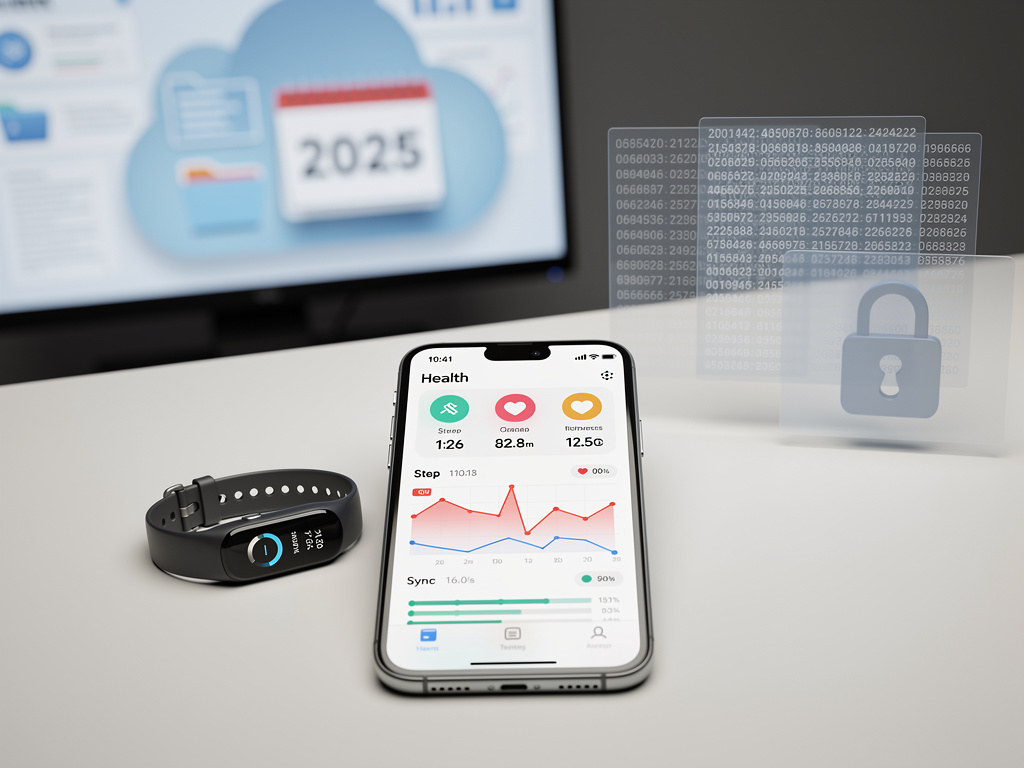
In a move that has provided temporary relief to millions of fitness tracking enthusiasts, Google has granted Fitbit users additional time to migrate their accounts to the tech giant’s ecosystem, postponing what many have called an inevitable digital reckoning. The extension, which pushes the original deadline further into 2025, represents both a reprieve and a reminder that the era of standalone Fitbit accounts is definitively drawing to a close, forcing users to confront a choice that carries significant implications for their personal health data and privacy preferences.
According to TechRadar, the migration deadline has been extended, giving users who have resisted the transition more breathing room to make their decision. This development comes after considerable pushback from the Fitbit community, many of whom have expressed concerns about surrendering their health data to Google’s broader advertising and data collection apparatus. The extension acknowledges the complexity of the decision facing users who have accumulated years, sometimes decades, of personal health metrics on the platform.
The migration requirement stems from Google’s $2.1 billion acquisition of Fitbit in 2021, a deal that promised to combine Fitbit’s expertise in wearable technology with Google’s artificial intelligence capabilities and vast resources. At the time, regulatory bodies scrutinized the purchase intensely, with the European Commission extracting commitments from Google regarding data handling and user privacy. Those commitments included a pledge to maintain Fitbit user data separately from Google’s advertising systems for a specified period, though the long-term integration was always the endgame.
The Data Migration Dilemma: What Users Stand to Lose and Gain
For Fitbit’s long-standing user base, the migration presents a complicated calculus. Users who refuse to migrate will eventually lose access to certain features and services, though the exact timeline and scope of these limitations has evolved as Google has adjusted its strategy. The company has attempted to sweeten the deal by offering enhanced features for those who make the switch, including deeper integration with Google’s health and fitness ecosystem, improved cross-device functionality, and access to new AI-powered insights that leverage Google’s machine learning capabilities.
However, privacy advocates have raised red flags about the consolidation of sensitive health data under Google’s umbrella. Despite the company’s assurances and regulatory commitments, skeptics point to Google’s business model, which fundamentally relies on data collection and targeted advertising. The concern is not merely theoretical: health and fitness data represents some of the most intimate information individuals generate, including sleep patterns, heart rate variability, menstrual cycles, exercise habits, and location data that collectively paint a comprehensive picture of users’ daily lives and health status.
Industry Implications: The Consolidation of Wearable Technology
Google’s absorption of Fitbit reflects broader consolidation trends in the wearable technology sector, where independent players have struggled to compete against tech giants with deeper pockets and more extensive ecosystems. Apple dominates the premium smartwatch market with its Apple Watch and accompanying Health app, while Samsung has leveraged its Galaxy Watch line and Android integration to capture significant market share. Google’s acquisition of Fitbit was widely interpreted as an attempt to compete more effectively in this space, particularly as health and fitness tracking has evolved from a niche interest to a mainstream consumer priority.
The migration deadline extension also highlights the challenges tech companies face when attempting to integrate acquired platforms without alienating existing user bases. Google has walked a delicate line, attempting to modernize Fitbit’s infrastructure and integrate it with Google services while maintaining enough continuity to prevent mass user exodus. The repeated deadline extensions suggest that resistance has been more significant than Google anticipated, or that the technical challenges of migration have proven more complex than initially projected.
Regulatory Scrutiny and Privacy Commitments Under Pressure
The Fitbit acquisition attracted intense regulatory attention precisely because of concerns about Google’s data practices. The European Commission approved the deal only after Google made binding commitments, including a promise to maintain a technical separation between Fitbit health and wellness data and Google ads data. These commitments were designed to last for a minimum period, though the exact duration and scope have been subject to interpretation and enforcement challenges.
Privacy experts have questioned whether these protections adequately safeguard user interests in the long term. While Google has maintained that it honors its commitments and provides users with transparency and control over their data, the company’s track record on privacy issues has been mixed. Multiple regulatory actions and investigations across various jurisdictions have examined Google’s data handling practices, creating an environment of skepticism among privacy-conscious consumers who now find themselves facing a forced migration of their health data.
The Technical Realities of Account Migration
From a technical standpoint, the migration process involves transferring years of accumulated health and fitness data from Fitbit’s legacy systems to Google’s infrastructure. This includes step counts, heart rate measurements, sleep tracking data, exercise logs, weight measurements, food logs, and in some cases, data from connected smart scales and other accessories. For users with accounts dating back to Fitbit’s early years—the company was founded in 2007—this can represent an enormous volume of personal health information.
Google has developed migration tools designed to streamline the process, but users have reported varying experiences. Some have successfully transferred their entire history with minimal issues, while others have encountered data loss, synchronization problems, or difficulties accessing historical information after migration. These technical challenges have contributed to user reluctance and may have factored into Google’s decision to extend the deadline, allowing more time for refinement of the migration infrastructure and user support systems.
Market Competition and Strategic Positioning
The Fitbit integration represents a critical component of Google’s broader health and fitness strategy, which extends beyond wearables to include the Google Fit platform, health records initiatives, and various research partnerships. By consolidating Fitbit users into the Google ecosystem, the company gains access to one of the largest collections of consumer health data in the world, potentially enabling advances in personalized health insights, disease detection, and preventive care recommendations powered by artificial intelligence.
This strategic positioning places Google in direct competition not only with Apple’s dominant health ecosystem but also with emerging players in digital health, including specialized medical device manufacturers, telehealth platforms, and health insurance companies developing their own data-driven wellness programs. The value of aggregated health data extends far beyond consumer fitness tracking, with implications for medical research, pharmaceutical development, and healthcare delivery models that increasingly rely on continuous monitoring and data-driven interventions.
User Sentiment and Community Response
Within the Fitbit user community, reactions to the forced migration have been decidedly mixed. Long-time users have expressed frustration at being compelled to join an ecosystem they deliberately avoided, while others have embraced the transition as an opportunity to access enhanced features and better integration with their other Google services. Online forums and social media platforms have become venues for users to share migration experiences, troubleshoot problems, and debate the merits of compliance versus seeking alternative fitness tracking solutions.
Some users have voted with their feet, abandoning Fitbit entirely in favor of competitors like Garmin, which has positioned itself as a privacy-focused alternative that doesn’t require account integration with major tech platforms. Others have accepted the migration as an inevitable consequence of the modern tech ecosystem, where consolidation and platform integration have become the norm rather than the exception. The diversity of responses reflects broader tensions in consumer technology between convenience and integration on one hand, and privacy and autonomy on the other.
The Broader Implications for Digital Health Data
The Fitbit migration saga raises fundamental questions about ownership and control of personal health data in an increasingly digital healthcare environment. As wearable devices, health apps, and connected medical devices proliferate, individuals generate unprecedented volumes of health-related information. Who owns this data, who can access it, and under what conditions it can be used remain contentious issues with significant implications for privacy, medical research, insurance underwriting, and healthcare delivery.
The case also illustrates the risks users face when entrusting their data to platforms that may be acquired, merged, or fundamentally restructured. While terms of service typically reserve the right for companies to modify their practices, users reasonably expect some degree of continuity and stability, particularly when dealing with sensitive personal information accumulated over years. The Fitbit situation serves as a cautionary tale about the impermanence of digital platforms and the importance of data portability and interoperability standards that would allow users to move their information between services without loss or lock-in.
As the extended deadline approaches, millions of Fitbit users face a decision that transcends simple account migration. They must weigh the convenience of continued access to their health data and device functionality against concerns about privacy, data consolidation, and corporate control of personal information. For Google, the challenge lies in completing the integration without alienating the user base that made Fitbit valuable in the first place, while delivering on promises of enhanced functionality and maintained privacy protections. The outcome will likely influence how future acquisitions in the digital health space are structured and regulated, setting precedents for user rights and corporate responsibilities in an era where health data has become both personally vital and commercially valuable.


 WebProNews is an iEntry Publication