
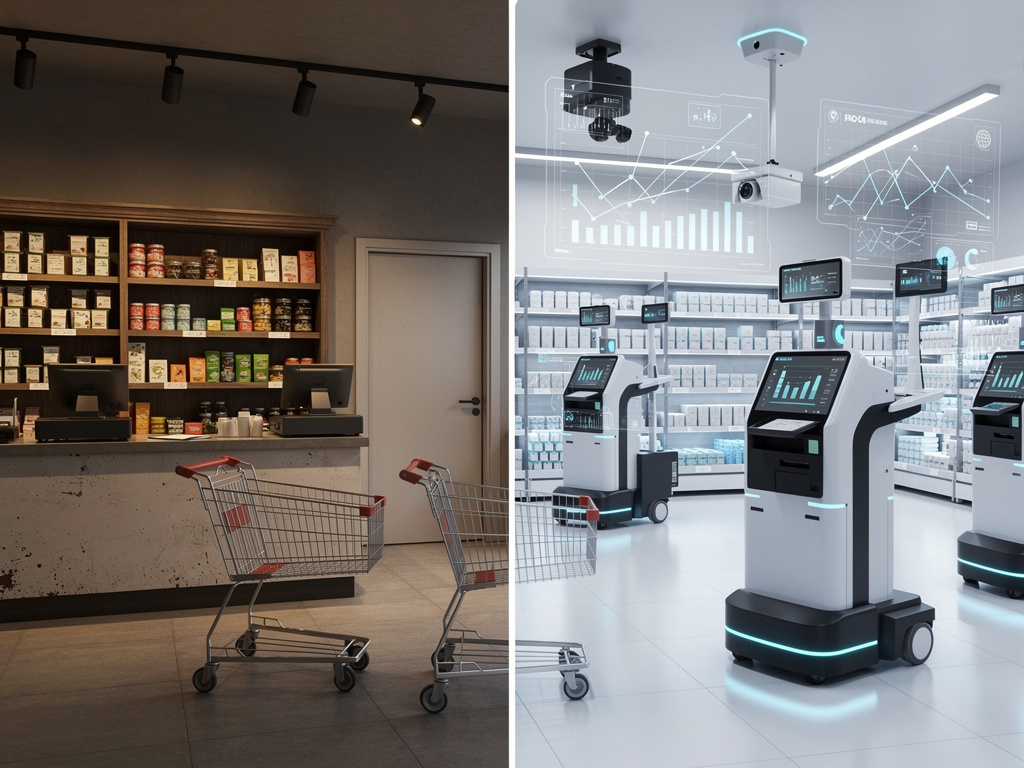
The corner grocery store, once a fixture of American neighborhoods, faces an existential threat not from larger competitors alone, but from its own technological obsolescence. As major chains deploy sophisticated artificial intelligence systems, automated inventory management, and seamless digital payment platforms, independent grocers find themselves at a crossroads: invest heavily in technology or risk becoming relics of a bygone retail era.
At the recent National Grocers Association conference, industry leaders delivered a stark message to independent operators: the window for digital transformation is closing rapidly. According to Grocery Dive, experts emphasized that independent grocers must embrace technology not as a luxury but as a survival imperative. The gathering highlighted how the competitive gap between tech-savvy chains and traditional independent stores has widened to dangerous proportions, threatening the viability of thousands of family-owned operations across the country.
The urgency stems from fundamental shifts in consumer behavior and operational efficiency. Today’s shoppers expect frictionless experiences—from online ordering and curbside pickup to personalized promotions and mobile payment options. Meanwhile, major retailers leverage data analytics to optimize everything from pricing strategies to supply chain logistics, creating cost advantages that independent operators struggle to match without similar technological capabilities.
The Investment Imperative: Where Independent Grocers Must Focus
The technological requirements for competitive independent grocery operations have expanded far beyond basic point-of-sale systems. Industry consultants now recommend a multi-layered approach encompassing customer-facing applications, back-end operational systems, and data analytics platforms. The challenge for independent operators lies not just in identifying which technologies to adopt, but in sequencing investments to maximize return while managing cash flow constraints that larger competitors don’t face.
E-commerce capabilities have transitioned from optional to essential. Independent grocers who delayed building online ordering systems during the pandemic found themselves hemorrhaging customers to competitors who could fulfill digital orders. The investment extends beyond website development to include inventory management systems that provide real-time stock visibility, fulfillment workflows for picking and packing orders, and last-mile delivery solutions or curbside pickup infrastructure.
Customer relationship management systems represent another critical investment area. While major chains have spent years accumulating customer data and refining personalization algorithms, many independent grocers still rely on rudimentary loyalty programs or no customer tracking at all. Modern CRM platforms enable targeted marketing, personalized promotions, and customer retention strategies that can help smaller operators compete on relevance even when they can’t match the pricing power of national chains.
The Data Analytics Revolution in Small-Scale Retail
Perhaps no technological advancement offers independent grocers more potential competitive advantage than sophisticated data analytics. Major retailers have long used predictive analytics to optimize inventory levels, reduce waste, and identify emerging consumer trends before competitors. These capabilities, once accessible only to operators with massive IT budgets and dedicated data science teams, are increasingly available through cloud-based platforms designed for smaller retailers.
Inventory optimization represents the most immediate return on investment for analytics adoption. Independent grocers typically operate with tighter margins than their larger competitors, making inventory efficiency critical to profitability. Modern analytics platforms can predict demand patterns, identify slow-moving products, and recommend optimal order quantities based on historical sales data, seasonal trends, and local market conditions. The reduction in waste and improved cash flow from better inventory management can often justify the technology investment within months.
Pricing strategy has also been revolutionized by data analytics. Dynamic pricing algorithms allow independent grocers to respond to competitive pressures, adjust for demand fluctuations, and optimize margins across their product mix. Rather than relying on manual price surveys and gut instinct, operators can now access real-time competitive intelligence and automated pricing recommendations that help them remain competitive on key value items while protecting margins on differentiated products.
Overcoming the Resource Gap: Collaboration and Shared Services
The most significant barrier to technology adoption for independent grocers isn’t awareness—most operators understand the competitive necessity of digital transformation. Instead, the challenges center on capital constraints, technical expertise, and implementation complexity. A single independent store or small regional chain simply cannot match the IT budgets and specialized staff that national retailers deploy.
Industry associations and buying cooperatives have emerged as crucial enablers of technology access for independent operators. By pooling resources and negotiating collective agreements with technology vendors, these organizations help level the playing field. Shared services models allow multiple independent grocers to access enterprise-grade systems at costs comparable to what they might spend on basic standalone solutions. The National Grocers Association has prioritized these collaborative technology initiatives, recognizing that individual operators cannot succeed in isolation.
The cooperative approach extends beyond software licensing to include implementation support and ongoing training. Many independent grocers lack dedicated IT staff, making the technical aspects of system deployment and maintenance particularly daunting. Shared service providers offer turnkey solutions with vendor management, technical support, and user training included—allowing store operators to focus on merchandising and customer service rather than troubleshooting software issues.
The Human Element: Technology as Employee Enabler
A common misconception about retail technology adoption centers on automation replacing human workers. In reality, the most successful independent grocers use technology to enhance employee capabilities rather than eliminate positions. Point-of-sale systems with integrated training modules help new cashiers become productive faster. Inventory management apps enable stock clerks to work more efficiently, reducing time spent on manual counts and stockroom searches. Customer service representatives equipped with tablets can access product information, check inventory across locations, and place special orders without leaving the sales floor.
Employee scheduling represents another area where technology delivers immediate value. Advanced workforce management systems optimize labor allocation based on predicted traffic patterns, ensuring adequate coverage during peak periods while controlling labor costs during slower times. These platforms also simplify compliance with increasingly complex labor regulations, reducing the risk of costly violations that can disproportionately impact smaller operators.
The employee experience improvements from technology adoption also address another critical challenge facing independent grocers: workforce recruitment and retention. Younger workers expect modern tools and digital workflows. Stores operating with outdated systems struggle to attract and retain quality employees who have options to work for more technologically advanced competitors. By investing in contemporary technology platforms, independent grocers signal to prospective employees that they’re forward-thinking employers offering relevant skill development opportunities.
The Personalization Advantage: Competing on Community Connection
While independent grocers cannot match the scale advantages of national chains, they possess a potentially decisive competitive edge: deep community connections and the ability to personalize the shopping experience. Technology, properly deployed, can amplify this natural advantage rather than diminish it. Customer data platforms enable independent operators to remember individual preferences, dietary restrictions, and shopping patterns in ways that feel personal rather than algorithmic.
Local sourcing and community engagement initiatives become more powerful when supported by technology. Digital platforms can highlight local suppliers, share the stories behind regional products, and connect customers with nearby farmers and artisans. Social media integration and email marketing tools allow independent grocers to maintain ongoing conversations with their customer base, building loyalty through authentic community engagement that national chains struggle to replicate.
The combination of personal service and technological convenience creates a compelling value proposition. Customers can enjoy the efficiency of online ordering and digital payment while maintaining relationships with familiar staff who understand their needs. This hybrid model—high-tech operations supporting high-touch service—represents the most promising competitive strategy for independent grocers facing well-funded national competitors.
The Path Forward: Strategic Technology Roadmaps
The most successful independent grocers approach technology adoption strategically rather than haphazardly. Rather than attempting to implement every available system simultaneously, they develop phased roadmaps that prioritize investments based on competitive necessity, return on investment, and operational readiness. This disciplined approach prevents the analysis paralysis that can result from overwhelming technological options while ensuring that each implementation builds upon previous investments.
Starting with foundational systems makes subsequent additions more valuable. A robust point-of-sale platform with integrated payment processing and basic inventory tracking provides the data infrastructure necessary for more advanced analytics and customer relationship management. Cloud-based systems offer particular advantages for independent operators, providing enterprise capabilities without requiring significant upfront capital investment or ongoing IT infrastructure maintenance.
The independent grocers who will thrive in the coming decade recognize that technology adoption isn’t a one-time project but an ongoing commitment to evolution. Consumer expectations continue advancing, competitive pressures intensify, and new technological capabilities emerge regularly. Operators who view digital transformation as a destination rather than a journey risk finding themselves obsolete despite initial investments. The most resilient independent grocers build organizational cultures that embrace continuous improvement and technological adaptation as core competencies rather than occasional initiatives.
For independent grocers, the message from industry experts is unambiguous: the time for technological fence-sitting has passed. The competitive advantages that technology provides—operational efficiency, customer insights, personalized marketing, and seamless omnichannel experiences—have transitioned from differentiators to baseline requirements. Independent operators who delay digital transformation risk not just competitive disadvantage but fundamental business viability. Those who embrace technology strategically, however, can leverage their community connections and service orientation to create compelling alternatives to impersonal national chains, ensuring that independent grocery retail remains a vibrant part of American commerce for generations to come.


 WebProNews is an iEntry Publication