
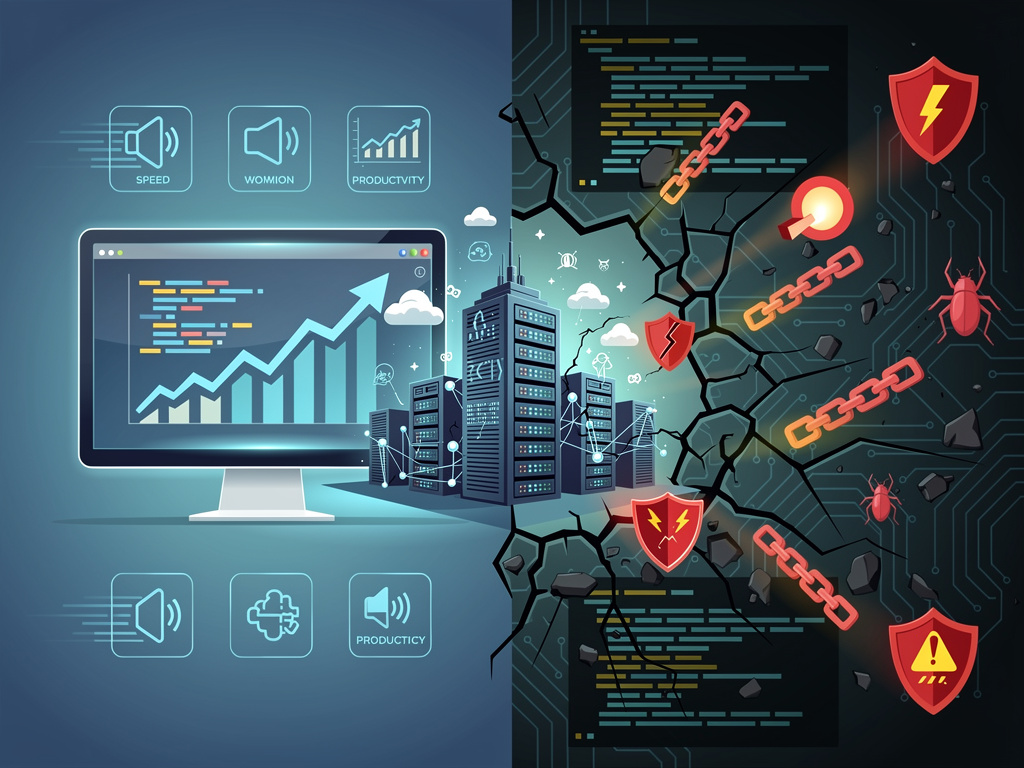
The software development industry faces an uncomfortable paradox: as artificial intelligence tools accelerate code production to unprecedented speeds, they simultaneously erode the fundamental competencies that developers need to validate, debug, and maintain that very code. This emerging crisis threatens to undermine the quality and security of software systems across enterprises, even as productivity metrics show impressive gains.
According to research highlighted by CIO, the rapid adoption of AI-powered coding assistants has created a generation of developers who can generate code quickly but lack the deep understanding necessary to identify subtle bugs, security vulnerabilities, or architectural flaws. This skills atrophy represents a fundamental challenge for organizations that have invested heavily in AI development tools, expecting both speed and quality improvements.
The problem extends beyond individual competency. As more developers rely on AI suggestions without fully understanding the underlying logic, codebases accumulate technical debt that becomes increasingly difficult to remediate. Senior engineers report spending more time reviewing and correcting AI-generated code than they would have spent writing it themselves, effectively negating the productivity gains that justified the initial investment in these tools.
The Velocity Trap: When Speed Undermines Substance
Major technology companies have embraced AI coding assistants with enthusiasm, often measuring success through metrics like lines of code produced per developer or features shipped per sprint. These surface-level indicators mask a deeper problem: the quality and maintainability of the code itself. Development teams report that while initial implementation happens faster, the debugging and maintenance phases have expanded significantly, creating a net negative impact on project timelines.
The issue becomes particularly acute when junior developers, who have grown up with AI assistants, lack exposure to the trial-and-error learning process that builds intuition about code behavior. Without understanding why certain approaches work and others fail, these developers struggle to diagnose problems when AI-generated code produces unexpected results. This knowledge gap creates bottlenecks in development pipelines, as fewer team members possess the expertise to resolve complex issues.
Security Implications of Diminished Code Literacy
The security ramifications of declining developer skills represent perhaps the most serious consequence of over-reliance on AI code generation. Cybersecurity experts warn that developers who don’t fully comprehend the code they’re deploying cannot effectively identify security vulnerabilities or implement proper safeguards. AI systems, trained on publicly available code repositories, often replicate common security antipatterns and outdated practices that skilled developers would immediately recognize as problematic.
Enterprise security teams have observed an increase in preventable vulnerabilities in codebases where AI assistance is heavily utilized. These include SQL injection vulnerabilities, improper authentication implementations, and insecure data handling practices—issues that experienced developers would catch during code review but that less skilled engineers might approve without recognizing the risks. The cost of remediating security breaches far exceeds any productivity gains from faster initial development.
The Training Paradox: Learning to Code in the Age of AI
Educational institutions and corporate training programs face a fundamental challenge: how to teach programming skills when AI can generate working code almost instantly. Traditional pedagogical approaches emphasized understanding fundamental concepts through hands-on practice, but students increasingly question why they should invest time mastering skills that AI can perform faster. This creates a vicious cycle where new developers enter the workforce with superficial knowledge and heavy dependence on automated tools.
Some organizations have responded by implementing “AI-free” training periods where junior developers must write code without assistance, building foundational skills before gaining access to AI tools. However, this approach faces resistance from developers who view it as artificial constraint and from management teams focused on immediate productivity metrics. The tension between long-term skill development and short-term output creates difficult trade-offs for technology leaders.
Industry Leaders Grapple With Unintended Consequences
Forward-thinking CTOs and engineering directors have begun reassessing their AI adoption strategies, recognizing that unrestricted use of code generation tools may create more problems than it solves. Some organizations now implement tiered access to AI assistants, restricting their use for junior developers while allowing experienced engineers to leverage them for routine tasks. Others have introduced mandatory code review processes specifically designed to catch AI-generated antipatterns and ensure human understanding of all production code.
The challenge extends to hiring practices as well. Technical interviews increasingly struggle to differentiate between candidates who possess genuine programming skills and those who have learned to effectively prompt AI systems. Some companies have responded by conducting interviews without computer access, forcing candidates to demonstrate knowledge through whiteboard coding or verbal explanation of concepts. However, this approach has its own limitations, as it may not reflect actual working conditions or fairly assess candidates’ practical abilities.
The Economic Calculus of Code Quality Versus Velocity
Organizations must now confront difficult questions about the true cost of AI-assisted development. While initial productivity gains appear impressive, the long-term implications of accumulated technical debt, security vulnerabilities, and diminished team capabilities may outweigh short-term benefits. Some enterprises report that maintenance costs for AI-heavy codebases exceed those of traditionally developed systems, as fewer developers possess the skills to efficiently troubleshoot and modify the code.
The financial impact extends to talent retention and development. Experienced engineers express frustration at spending increasing amounts of time correcting AI-generated code and mentoring junior developers who lack fundamental skills. This has led to higher turnover rates among senior technical staff, further exacerbating the skills crisis. The cost of replacing experienced engineers and the institutional knowledge they take with them represents a significant hidden expense of aggressive AI adoption.
Regulatory and Liability Concerns Emerge
As AI-generated code becomes more prevalent in critical systems, questions of liability and regulatory compliance have moved to the forefront. When software failures occur, determining responsibility becomes complex when neither the developer nor the AI system fully understands the code’s behavior. Legal experts suggest that companies may face increased liability if they cannot demonstrate that human developers adequately reviewed and understood AI-generated code before deployment.
Industry regulators in sectors like healthcare, finance, and transportation have begun scrutinizing the use of AI coding assistants in safety-critical applications. Some regulatory frameworks may soon require human certification that developers possess sufficient expertise to validate AI-generated code, potentially limiting the use of these tools in certain contexts. This regulatory pressure adds another dimension to the cost-benefit analysis of AI adoption in software development.
Charting a Path Forward: Balanced AI Integration
The solution to the AI skills crisis likely involves thoughtful integration rather than wholesale rejection of these tools. Leading organizations are developing frameworks that leverage AI for appropriate tasks while preserving opportunities for skill development and human oversight. This includes using AI assistants for boilerplate code and routine tasks while requiring manual implementation of complex logic and security-critical components.
Professional development programs are evolving to address the new reality, teaching developers not just how to code, but how to effectively collaborate with AI systems while maintaining their own expertise. This includes training in prompt engineering, AI output validation, and recognizing the limitations of automated code generation. The goal is creating developers who can harness AI capabilities without becoming dependent on them for basic competencies.
Redefining Developer Excellence in the AI Era
The role of software developers is undergoing fundamental transformation, requiring new definitions of expertise and competence. Rather than measuring success solely by code output, organizations must evaluate developers’ ability to architect systems, identify edge cases, ensure security, and maintain code quality—skills that AI tools cannot yet replicate. This shift demands changes in hiring criteria, performance evaluation, and career development pathways.
The industry stands at a crossroads, with decisions made today shaping the future of software development for decades to come. Companies that successfully balance AI assistance with human skill development will likely gain competitive advantages through higher-quality, more maintainable codebases and stronger technical teams. Those that prioritize short-term velocity over long-term capability may find themselves trapped with systems they cannot effectively maintain and teams that lack the expertise to evolve them. The challenge for technology leaders is recognizing that the fastest path forward may require strategic constraints on AI usage, ensuring that the next generation of developers possesses the skills necessary to build and maintain the complex systems our digital economy depends upon.


 WebProNews is an iEntry Publication