
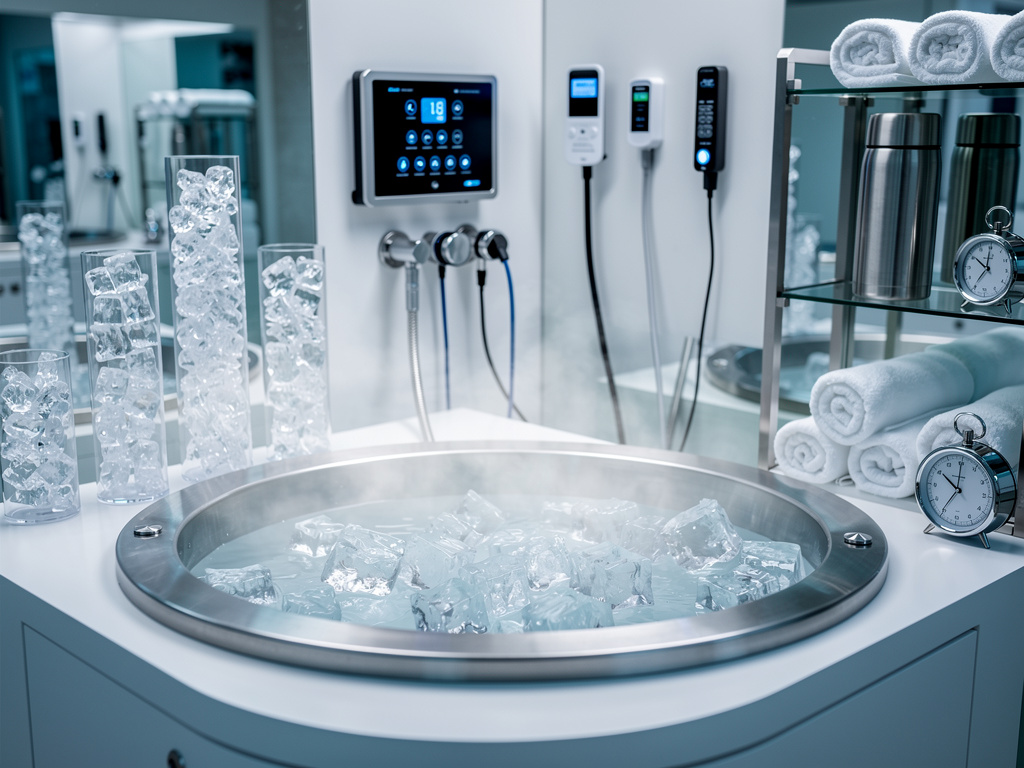
NEW YORK—Just a few years ago, the sight of someone willingly submerging themselves in a tub of ice water was reserved for elite athletes nursing injuries or eccentric outliers on the fringes of wellness culture. Today, that same frigid ritual is a status symbol, a fixture in luxury gyms, corporate wellness centers, and the meticulously curated backyards of Silicon Valley executives and Hollywood A-listers. The cold plunge has gone mainstream, fueling a booming market for high-tech tubs that can cost more than a used car and transforming a practice of extreme discomfort into a billion-dollar business.
The rapid ascent from niche biohack to consumer craze is not merely a testament to clever marketing. It’s built on a growing body of scientific research—and its popularization by influential figures—that suggests a few minutes of shivering can trigger a cascade of desirable physiological responses. The core principle is hormesis: the idea that a small, controlled dose of stress can make the body more resilient. When the body is plunged into cold water, it initiates a powerful fight-or-flight response. Blood vessels constrict, heart rate changes, and the brain is flooded with neurochemicals like norepinephrine, a key molecule for focus and attention, which can see a two- to five-fold increase that lasts for hours.
This neurochemical rush is what many proponents are chasing—a clean, stimulant-free high that leaves them feeling alert, energized, and mentally clear. Beyond the immediate buzz, researchers are focused on other potential long-term benefits. As detailed in a WIRED report, Danish scientist Susanna Søberg has conducted studies suggesting that consistent cold exposure can increase the body’s store of brown adipose tissue, or “brown fat.” Unlike the more common white fat which stores energy, brown fat is metabolically active and burns calories to generate heat, a process that could have significant implications for metabolic health.
The Digital Gurus and the Codification of Cold
While the science provides a foundation, the popularization of cold plunging has been turbo-charged by a new generation of health influencers who translate complex science into actionable protocols. Figures like the Dutch endurance artist Wim Hof, known as “The Iceman,” introduced millions to the idea of using cold and breathwork to control the body’s autonomous systems. But it was perhaps Stanford neuroscientist Andrew Huberman who provided the specific, data-driven prescription that the modern wellness consumer craved. He has used his hugely popular Huberman Lab platform to distill various studies into a clear guideline.
The “Huberman protocol” suggests that a total of 11 minutes of deliberate cold exposure per week, broken up into two to four sessions, is a sufficient threshold to stimulate the desired brown fat and metabolic benefits. This seemingly arbitrary number gave the practice an accessible, quantifiable entry point. According to a detailed post on the Huberman Lab site, the goal is to get uncomfortably cold but to be able to safely stay in for one to five minutes. This codification removed the guesswork and positioned the cold plunge not as an act of machismo, but as a precise therapeutic tool.
This approach reframed the experience from an endurance challenge to a strategic practice of mental and physical resilience. Dr. Søberg’s research complements this, advocating for a minimalist approach she calls the “Søberg Principle”: stay in only until you feel the urge to get out, and then resist the shiver for as long as possible afterward to force your body to reheat itself naturally. This less-is-more philosophy has made the practice feel more attainable, shifting the focus from enduring misery to achieving a minimal effective dose for maximum benefit.
From DIY Chest Freezers to $20,000 Luxury Tubs
As protocols went viral, a market for purpose-built equipment exploded. Early adopters often retrofitted industrial chest freezers, a cumbersome and potentially hazardous DIY solution. Seeing an opportunity, a host of startups emerged to offer sleek, user-friendly, and aesthetically pleasing cold plunge tubs. Companies like Plunge, Renu Therapy, and Morozko Forge now sell units ranging from about $5,000 to over $20,000, featuring built-in chilling and filtration systems, ozone sanitation, and designs that wouldn’t look out of place in a modern spa.
This new generation of hardware has been crucial to the trend’s expansion beyond the hardcore biohacker community. The convenience of a self-cleaning, perpetually cold tub removes the biggest friction points: buying bags of ice and the tedious setup and cleanup. As The New York Times has noted, the ice bath has become a form of “performative wellness,” a signal of discipline and commitment to self-optimization that is easily shared on social media. The high price tag only adds to the allure, positioning these devices as luxury goods in the rapidly expanding wellness economy.
The market is responding with vigor. According to one industry analysis highlighted by GlobeNewswire, the global cold plunge tub market is projected to grow by over $112 million by 2027, accelerating at a compound annual growth rate of more than 15%. This growth reflects a broader shift in consumer spending toward health and preventative care, with individuals increasingly willing to invest significant capital in tools that promise improved performance, longevity, and well-being.
A Calculated Risk in Unregulated Waters
Amid the flood of positive testimonials and market enthusiasm, medical experts caution that the practice is not without serious risks, particularly for individuals with pre-existing health conditions. The initial shock of cold water immersion can trigger the “cold shock response,” a cascade of physiological events including an involuntary gasp reflex, hyperventilation, and a rapid increase in heart rate and blood pressure. For those with underlying cardiovascular issues, this shock can be dangerous, and in rare cases, fatal.
The American Heart Association has warned that the sudden stress on the heart could potentially trigger arrhythmias or even a heart attack in susceptible individuals. The market for the tubs themselves operates in a largely unregulated space, with manufacturers making bold claims about health benefits that are not evaluated by the Food and Drug Administration. This leaves the onus on consumers to understand their own health limitations and to approach the practice with caution, preferably after consulting a physician.
Furthermore, the risk of hypothermia is real, even for healthy individuals who stay in for too long or in water that is too cold. The line between therapeutic stress and genuine danger can be thin, and the competitive nature of some communities can push individuals to ignore their body’s warning signs. Experts stress the importance of starting slowly, with warmer temperatures (around 59°F or 15°C) and shorter durations, and never plunging alone.
The Next Frontier for Deliberate Cold Exposure
While the current boom is focused on metabolic health and mental acuity, researchers are actively exploring the potential of cold water therapy for treating specific medical conditions, most notably depression. The theory is that the massive release of neurotransmitters and the anti-inflammatory effects of cold exposure could have a therapeutic effect on mood disorders. A compelling case study published in BMJ Case Reports detailed how a program of regular open-water swimming led to a significant and sustained reduction in symptoms for a woman with major depressive disorder, allowing her to cease medication.
While such anecdotal reports and small-scale studies are promising, large-scale, randomized controlled trials are needed to establish clinical efficacy and develop standardized treatment protocols. The challenge lies in designing studies that can account for the powerful placebo effect and the multifaceted nature of the intervention, which often includes community, nature, and physical exercise alongside the cold itself. Nonetheless, the potential to develop a non-pharmacological treatment for mental health is a powerful driver of continued research.
As the science matures and the technology becomes more accessible, the practice of deliberate cold exposure is poised to become a permanent fixture in the wellness toolkit, sitting alongside meditation, saunas, and fitness tracking. Its future likely involves greater personalization, with data from wearables helping to determine an individual’s optimal temperature and duration for specific goals—be it athletic recovery, metabolic health, or mood enhancement. For now, the cold plunge remains a potent symbol of the modern desire to find resilience and control by embracing a primal, and deeply uncomfortable, form of stress.


 WebProNews is an iEntry Publication