
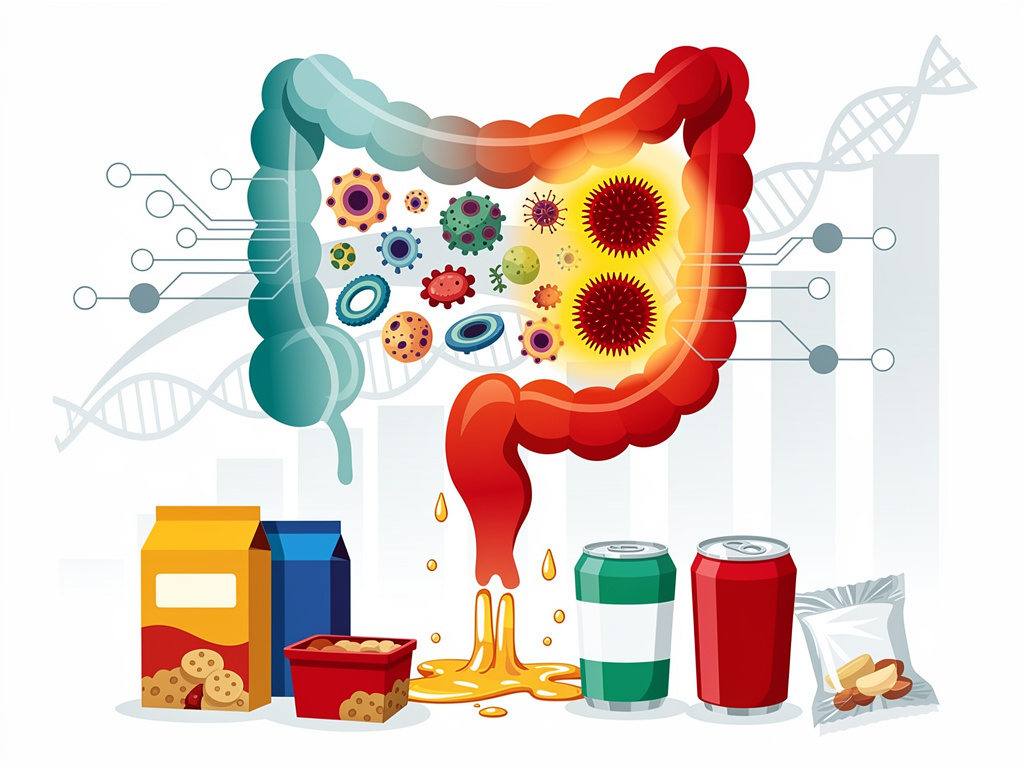
Colon cancer has become the leading cause of cancer death for Americans under 50. Once a disease associated with older adults, it now strikes people in their 20s, 30s and 40s with growing frequency. And it often appears more aggressive.
Doctors who treated none of these cases decades ago now see them routinely. “Thirty-plus years ago, when I first started, no one — no one; zero number of patients — were in my clinic under the age of 50 with colon cancer,” Dr. John Marshall told NPR. “And now it is almost half of the patients that I see.”
The numbers back him up. An American Cancer Society study published in JAMA found that while overall cancer mortality for those under 50 fell 44% between 1990 and 2023, colorectal cancer deaths rose 1.1% each year since 2005. The disease moved from the fifth leading cause of cancer death in this group to the first. Twenty percent of diagnoses in 2019 went to patients under 55, roughly double the share from 1995. Advanced disease in those under 50 has climbed about 3% annually.
Researchers have searched for explanations. Genetics account for only about 20% of cases. The rest point to environment, lifestyle and biology that has changed across generations. New findings presented at the American Society of Clinical Oncology meeting this year and reported by Business Insider highlight one suspect in particular: the modern diet heavy in ultra-processed foods.
Dr. Ning Jin of The Ohio State University examined tumors from 16 young-onset patients and 26 older ones. She identified 11 cancer genes more prevalent in the younger group. These genes tie to inflammatory pathways activated by diets overloaded with omega-6 fatty acids common in vegetable oils used throughout ultra-processed products. Omega-3s from fish, nuts and seeds appear in short supply. The imbalance, her work suggests, fuels inflammation that sets the stage for cancer earlier in life.
Something is just not the same. “The why — that’s what we want,” said Dr. Deepak Vadehra, chief of gastrointestinal oncology at ChristianaCare Health System. “Our study showed that early-onset colorectal cancer is a biologically unique disease. The cancer behaves differently.”
The gut microbiome sits at the center of many theories. Over the past 50 years, diets, hygiene practices and antibiotic use have transformed the mix of bacteria living in human intestines. Diversity has dropped. Pathogenic strains have gained ground.
Certain E. coli bacteria produce colibactin, a toxin that damages DNA. One study found this signature far more often in tumors from younger patients. Exposure may occur in early childhood, before age two, when the microbiome is still forming. The damage done then can surface as cancer decades later. Rachel Purcell of the University of Otago in New Zealand has identified another E. coli toxin, cytotoxic necrotizing factor 1, at higher rates in young colon cancer tumors.
“That’s a good thing in some ways, but in another way, it’s actually not,” Purcell said of cleaner living that limits early microbe exposure. “Because we need to be exposed to microbes to develop a healthy, functioning immune system. All the bugs in our gut, they’re vying for space and nutrients. If we’re not feeding the good ones, it does allow our pathogenic microbes to flourish. Looking at microbiomes, they’ve just become so much less diverse, and that just makes us vulnerable.”
Ultra-processed foods don’t simply deliver excess calories or omega-6 fats. They contain emulsifiers, additives and artificial sweeteners shown in animal studies to promote intestinal inflammation and disrupt the protective mucus layer in the gut. Chemicals from plastics and detergents may compound the effect. The result is leaky gut, chronic low-grade inflammation and a microbiome tilted toward cancer-promoting bacteria.
Other factors stack on top. Obesity rates have soared. Physical activity has declined. Alcohol consumption and smoking play roles in some cases. Low-fiber diets starve beneficial bacteria that produce short-chain fatty acids protecting the colon lining. High intake of processed and red meats has long been tied to higher risk.
Yet many young patients don’t fit the classic profile. They exercise. They avoid red meat. Still the tumors appear. This mismatch has pushed scientists toward the idea of a generational cohort effect rooted in childhood exposures. What children ate in the 1980s or 1990s, the antibiotics they received, the ultra-processed snacks that became dietary staples — these may be writing the script for cancers diagnosed today.
Dr. Haddon Pantel, a colorectal surgeon at Yale Medicine, has seen the shift firsthand. “We are seeing a clear uptick in colorectal cancer in younger generations,” he said. The youngest recent case at his center was 18 years old.
Screening guidelines have moved. Many organizations now recommend starting colonoscopy at age 45 instead of 50. But that still misses the rising cases in people in their 20s and 30s. Symptoms such as rectal bleeding, changes in bowel habits or unexplained anemia demand attention at any age. “If anyone has any change in their bowel habits, if they have any bleeding — even if they think it’s a hemorrhoid, and it doesn’t go away — just get a colonoscopy,” advised Dr. Vikram Reddy of Yale.
Treatment remains largely the same regardless of age, noted Dr. Stacey Cohen of Fred Hutchinson Cancer Center. Differences in tumor biology matter for research. They do not yet translate into radically different therapies for the patient who walks in tomorrow, whether 26 or 56.
Prevention offers more immediate promise. Diets rich in fiber from vegetables, fruits, whole grains and legumes feed protective bacteria. Cutting back on ultra-processed foods reduces exposure to inflammatory additives and excess omega-6 fats. Limiting sugar-sweetened beverages appears wise. Some evidence links higher dietary vitamin D from food to lower risk of early-onset disease.
Avoiding unnecessary antibiotics in childhood could help preserve microbiome diversity. More exercise, less sedentary time and maintaining healthy weight reduce overall risk. These steps won’t eliminate the threat. They do address modifiable factors tied to the trend.
Research continues. Large cohort studies examine how early-life diet shapes the microbiome and later cancer risk. Investigations into specific bacterial strains, their toxins and interactions with host genetics are underway. The hope is to move from association to causation and, eventually, to targeted prevention or early detection tools.
But the data already send a clear signal. The food environment that has dominated Western diets for decades, combined with changes to the microbial communities inside us, appears to be reshaping cancer patterns in troubling ways. Younger adults now face risks their parents and grandparents largely escaped. Understanding exactly how ultra-processed fats, missing fiber and altered gut bacteria interact may hold the key to reversing the rise.
And the clock is ticking. Projections suggest early-onset colorectal cancer could continue its climb if current patterns hold. The patients showing up in clinics today represent the leading edge of a broader shift. Their tumors carry molecular fingerprints that look different. Their histories often diverge from traditional risk models. The explanation likely lies in the complex interplay of what they ate as children, the microbes that colonized their guts and the inflammatory signals those choices set in motion years ago.


 WebProNews is an iEntry Publication