
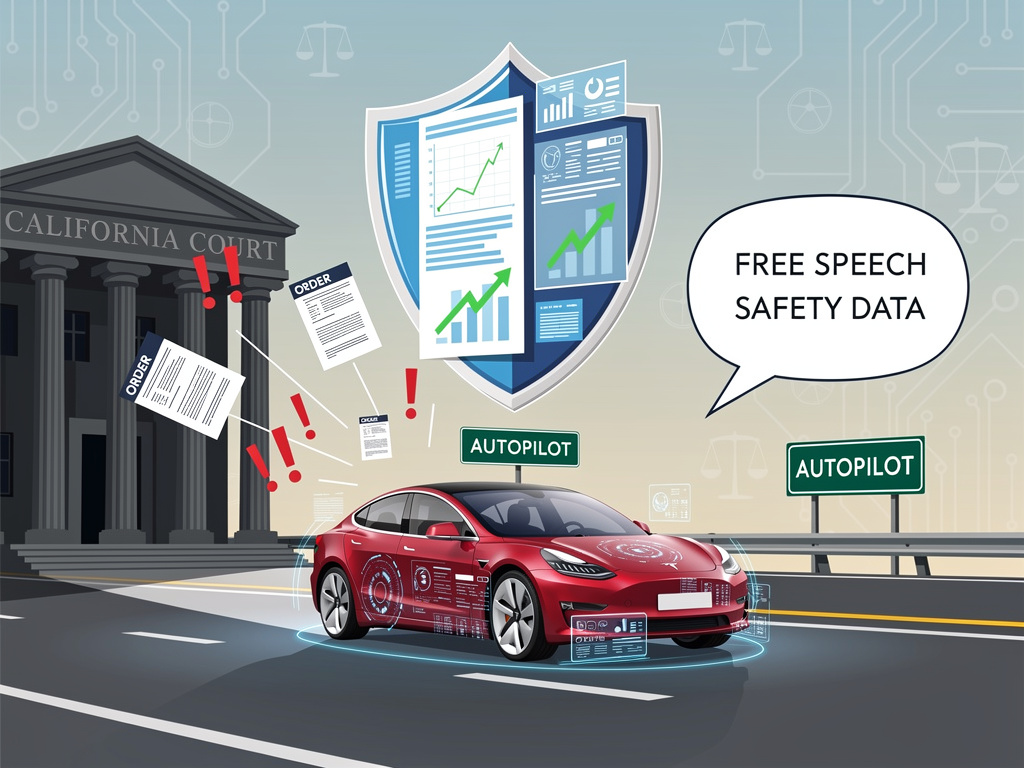
In a escalating clash between innovation and regulation, a California administrative law judge has ruled that Tesla Inc. engaged in deceptive marketing for its Autopilot and Full Self-Driving systems, paving the way for a potential 30-day suspension of the company’s vehicle sales and manufacturing licenses in the state. The decision, handed down last week, stems from a long-running investigation by the California Department of Motor Vehicles into Tesla’s promotional claims about its advanced driver-assistance features. Yet Tesla maintains that its marketing falls under protected free speech, vowing that sales will proceed without interruption.
The ruling requires Tesla to overhaul its messaging within 60 to 90 days or face the suspension, a move that could disrupt operations in the nation’s largest auto market. California accounted for roughly 11% of Tesla’s global EV deliveries in the first nine months of 2025, equating to about 135,000 vehicles, according to Morning Brew. With federal EV tax credits expired in September, the stakes are high for Tesla amid softening demand.
The Judge’s Verdict Unpacked
Administrative Law Judge Bruce Hamilton determined that Tesla’s use of terms like ‘Autopilot’ and ‘Full Self-Driving’ misled consumers into believing the systems offered true autonomy, despite requiring constant driver supervision. ‘Tesla engaged in deceptive marketing for Autopilot and Full Self-Driving,’ the judge wrote, ordering corrective actions including clearer disclaimers and potential rebranding, as reported by TechCrunch.
The DMV stayed the immediate suspension for 90 days, giving Tesla time to comply by revising website copy, ads, and in-vehicle displays. Failure to do so could halt new sales and production in California, though existing inventory sales might continue. This mirrors past regulatory actions, such as the 2023 grounding of General Motors’ Cruise robotaxi fleet after an incident involving a pedestrian, per Morning Brew.
Tesla’s stance hinges on First Amendment protections, arguing that hyperbolic marketing is commonplace in the auto industry. In a statement post-ruling, the company asserted, ‘sales in California will continue uninterrupted,’ signaling plans to appeal or challenge the order’s enforceability.
Historical Context of the Probe
The DMV’s case dates back to 2022, triggered by consumer complaints and crashes linked to misuse of Autopilot. Regulators accused Tesla of overstating capabilities, citing marketing videos showing hands-off driving on highways—scenarios where the system performs best but still demands vigilance. A Electrek analysis notes the judge rejected Tesla’s defense that disclaimers sufficed, deeming them buried in fine print.
Industry observers point out similar scrutiny for rivals. GM faced DMV sanctions, and NHTSA probes span multiple automakers. Yet Tesla, with over 2 billion miles driven on Autopilot, claims superior safety data: one crash per 7.63 million miles with Autopilot engaged versus the U.S. average of one per 670,000 miles without, based on Tesla’s quarterly safety reports.
California’s actions reflect a broader push under Democratic leadership to rein in autonomous vehicle hype, but critics argue it stifles competition against legacy automakers slower to innovate. Tesla’s real-world data, they say, substantiates its edge over human drivers.
Market Implications for Tesla
A suspension would sting in California, where Tesla delivered more EVs than any other state in 2025. Shares dipped briefly post-ruling but rebounded, buoyed by optimism around robotaxi unveilings and Optimus robotics. Analysts at CNBC note Tesla’s vertical integration—from battery production to software—positions it to pivot deliveries elsewhere if needed.
Elon Musk has historically lambasted California regulations as anti-business, relocating Tesla’s headquarters to Texas in 2021 partly over pandemic lockdowns. Recent X posts from Mr. Musk emphasize ongoing FSD testing with no incidents, underscoring Tesla’s confidence. Posts found on X highlight sentiment that the DMV overreaches, with users decrying it as political targeting.
The company could shift production emphasis to its Texas Gigafactory or ramp up exports, minimizing disruption. Tesla’s statement reinforces this resilience, prioritizing compliance without conceding fault.
Free Speech at the Core
Tesla’s legal team contends the ruling infringes on commercial speech protections upheld in cases like Nike v. Kasky, where the Supreme Court shielded corporate advocacy. ‘Autopilot’ evokes aviation standards, not full automation, Tesla argued, akin to ‘cruise control’ used industry-wide. The Los Angeles Times reports the DMV countered that repeated claims created a ‘false impression of safety.’
Legal experts see appeal grounds in federal preemption, as NHTSA oversees advertising standards. A win could set precedent favoring tech-forward marketing, benefiting Waymo and Zoox too. Tesla’s data-driven rebuttals—FSD Supervised now safer than average U.S. driving—bolster its position against what it views as bureaucratic overreach.
California’s DMV, criticized for backlog-plagued services, wields outsized power here, but Tesla’s track record of prevailing in court—from Delaware pay package fights to SEC battles—suggests it won’t yield easily.
Broader Industry Ripples
This saga spotlights tensions in the $100 billion EV sector, where autonomy promises drive valuations. Ford and GM have dialed back self-driving ambitions post-setbacks, leaving Tesla dominant. A Bloomberg piece warns of chilling effects on innovation if states dictate terminology.
Regulators demand ‘Level 2’ clarity—no full self-driving until SAE Level 4/5. Tesla counters its beta program educates users via software updates, with over 500,000 vehicles on FSD trials showing rapid improvement. X discussions amplify Tesla supporters viewing the DMV as punishing success.
Compliance might involve renaming to ‘Supervised FSD,’ as hinted in InsideEVs, preserving sales while appeasing critics short-term.
Strategic Paths Forward
Tesla weighs appeal, injunction, or tweaks like prominent disclaimers. Mr. Musk’s X activity stresses unsupervised FSD progress, positioning this as a bump en route to robotaxis. The Guardian notes the 90-day stay offers breathing room amid Q4 sales pushes.
For industry insiders, this tests regulatory balance: protecting consumers without hobbling leaders advancing safer roads. Tesla’s autonomy data, if leveraged in appeals, could flip the narrative from deception to pioneering transparency. Sales momentum persists, underscoring the company’s fortress balance sheet and fanbase loyalty.
Ultimately, Tesla’s defiance frames this as government excess against proven technology, likely galvanizing appeals that redefine auto marketing norms nationwide.


 WebProNews is an iEntry Publication