
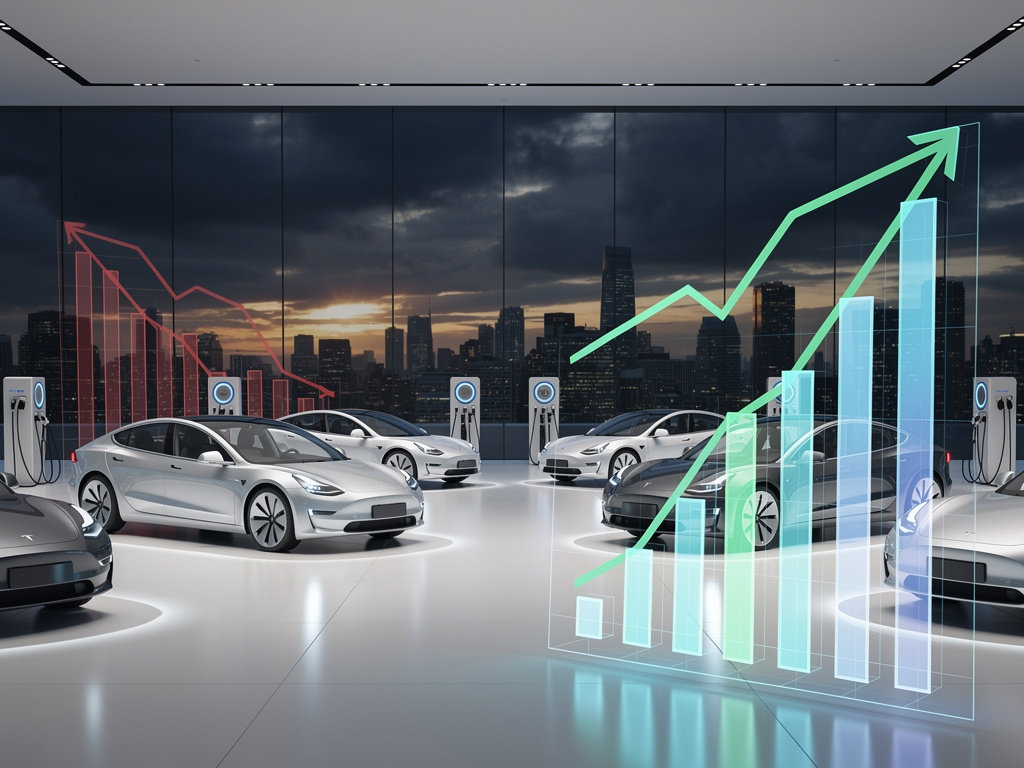
Tesla’s Electrifying Endgame: Incentives Ignite a Sales Surge in the EV Arena
In the closing weeks of 2025, Tesla Inc. is unleashing a barrage of incentives designed to turbocharge vehicle sales, a move that underscores the company’s aggressive push to clear inventory and maintain momentum amid fluctuating market dynamics. With offers including free premium upgrades on select inventory models, zero-percent APR financing for up to 72 months on the Model Y Standard Range, and zero-down lease options, Tesla is effectively lowering the barrier to entry for potential buyers. This strategy comes at a pivotal moment, as the expiration of federal tax credits earlier in the year has dampened demand, prompting the automaker to pull every lever to stimulate purchases before the calendar flips.
Industry analysts note that these promotions are not merely discounts but a calculated effort to bolster quarterly delivery numbers, which have shown signs of softening. According to recent data, Tesla’s U.S. sales dipped to under 40,000 units in November 2025, marking the lowest figure in years, as reported by Electrek. This decline follows the phase-out of the $7,500 federal EV tax credit, which had previously buoyed affordability for models like the Model 3 and Model Y. In response, Tesla has layered on incentives that could save buyers thousands, effectively replicating some of the lost tax benefits through direct rebates and financing perks.
The free upgrade program, in particular, stands out as a novel tactic. Eligible buyers selecting from Tesla’s inventory can receive one complimentary premium feature—such as enhanced wheel designs, interior color upgrades, or even towing packages—without additional cost. This offer applies to on-site inventory only and is available while supplies last, adding an element of urgency to the promotion. Posts on X, formerly Twitter, from users like Tesla enthusiasts highlight the buzz, with many sharing how these deals are tipping the scales for on-the-fence consumers.
Decoding the Incentive Arsenal
Tesla’s current lineup of promotions extends beyond upgrades to include highly competitive financing. For the Model Y Standard Range, buyers can secure 0% APR for 72 months, a rate that’s virtually unheard of in the automotive sector and could translate to savings of over $5,000 in interest compared to standard loans. Additionally, zero-down leases for models like the Model 3 and Model Y start at $299 per month, making electric vehicle ownership more accessible to a broader demographic. These deals are detailed on Tesla’s official site, but third-party analyses, such as those from Not a Tesla App, emphasize their role in closing out the year strong.
This incentive blitz is part of a broader pattern for Tesla, which has historically ramped up promotions in the fourth quarter to maximize deliveries. In 2025, the urgency is amplified by external pressures, including increased competition from legacy automakers like Ford and General Motors, who are rolling out their own EV models with competitive pricing. Tesla’s approach contrasts with rivals by focusing on immediate value-adds rather than long-term warranties, a strategy that aligns with CEO Elon Musk’s emphasis on rapid iteration and customer satisfaction through software and hardware perks.
Moreover, state and local incentives continue to play a supporting role. As outlined in Tesla’s support resources via Tesla Support, buyers in regions like California or New York can stack additional rebates on top of Tesla’s offers, potentially amplifying savings to $10,000 or more. This patchwork of incentives creates a complex but rewarding environment for savvy shoppers, though it requires careful navigation of eligibility criteria, such as income limits or vehicle qualifications.
Market Pressures and Strategic Shifts
The timing of these promotions coincides with Tesla’s efforts to rebound from a challenging year. Sales data indicates a slowdown in EV adoption rates, attributed to factors like higher interest rates and consumer hesitation over charging infrastructure. Tesla’s response has been multifaceted, including not just price cuts but also enhancements to its product ecosystem. For instance, the inclusion of three months of free Full Self-Driving (FSD) capability and Supercharging with certain purchases adds intangible value, appealing to tech-savvy buyers who prioritize autonomous features.
Comparisons to previous years reveal an escalation in aggressiveness. In 2024, Tesla offered 1.99% financing and free FSD transfers, but the 2025 deals go further with zero-interest options and complimentary upgrades, as chronicled in updates from X posts by influencers tracking the company’s moves. This evolution suggests Tesla is adapting to a maturing market where differentiation through incentives is key to retaining market share, which currently hovers around 50% of the U.S. EV segment.
Critics within the industry argue that such heavy reliance on promotions could erode profit margins, a concern echoed in financial analyses. Tesla’s stock has experienced volatility, with shares dipping amid reports of inventory buildup. Yet, proponents counter that these short-term tactics fuel long-term loyalty, as satisfied customers often become repeat buyers or advocates for the brand’s ecosystem, including solar products and home energy storage.
Consumer Perspectives and Real-World Impacts
From a buyer’s standpoint, these incentives are transforming the purchasing process. Take the Model Y, Tesla’s bestseller: with the free upgrade and zero-percent financing, the effective cost drops significantly, making it competitive against gas-powered SUVs in the same price bracket. Anecdotal evidence from X discussions shows users calculating total ownership costs, factoring in fuel savings and maintenance reductions, which further tip the scales in Tesla’s favor.
Dealership experiences, or rather Tesla’s direct-to-consumer model, enhance this appeal. Unlike traditional automakers, Tesla’s online configurator allows real-time customization, with incentives automatically applied. This streamlined approach, combined with rapid delivery timelines—often within days for inventory vehicles—creates a sense of immediacy that’s rare in the industry.
However, not all feedback is glowing. Some potential buyers express frustration over limited inventory for upgraded models, leading to quick sell-outs in high-demand areas. Additionally, the expiration date of December 31, 2025, for most promotions adds pressure, potentially rushing decisions that could benefit from more deliberation.
Broader Implications for the EV Sector
Tesla’s moves are rippling through the electric vehicle domain, pressuring competitors to match or exceed these offers. For example, companies like Rivian and Lucid have introduced their own discounts, though none yet rival Tesla’s zero-interest financing. This competitive dynamic is fostering innovation, with a focus on affordability to counter perceptions that EVs remain a luxury item.
On the regulatory front, the absence of federal tax credits has shifted the onus to manufacturers like Tesla to bridge the gap. Industry insiders speculate that if sales rebound strongly in Q4, it could influence policy discussions in 2026, potentially advocating for reinstated incentives to accelerate the transition to sustainable transportation.
Economically, these promotions are injecting vitality into related sectors, from battery suppliers to charging network providers. Tesla’s Supercharger network, bolstered by free access perks, continues to expand, with over 60,000 stalls globally, reinforcing the company’s dominance in infrastructure.
Innovation Amid Incentives
Looking deeper, Tesla’s strategy intertwines hardware incentives with software advancements. The free FSD trials included in some packages serve as a gateway to subscriptions, where users pay monthly for ongoing updates. This model not only generates recurring revenue but also collects valuable data to refine autonomous driving algorithms, a core pillar of Tesla’s valuation.
Comparisons to tech giants like Apple reveal parallels: just as iPhone upgrades drive ecosystem loyalty, Tesla’s vehicle incentives encourage adoption of add-ons like Powerwall or solar panels. Recent promotions for energy products, as noted in Not a Tesla App‘s overview, bundle vehicle purchases with home energy discounts, creating a holistic value proposition.
Yet, challenges persist. Supply chain constraints, particularly for premium features like advanced batteries, could limit the scalability of free upgrades. Analysts project that if Tesla achieves its delivery targets—potentially exceeding 500,000 units globally in Q4—these incentives will have proven their worth, setting a precedent for future campaigns.
Forecasting the Road Ahead
As 2025 draws to a close, Tesla’s incentive-driven push is a testament to its adaptive prowess. By offering tangible savings and exclusive perks, the company is not just selling cars but cultivating a community of electric vehicle advocates. This approach may well redefine year-end sales tactics across the automotive industry.
For industry observers, the key metric will be delivery figures released in early 2026. If successful, these promotions could stabilize Tesla’s growth trajectory, mitigating the tax credit void. Conversely, underwhelming results might prompt further innovations, such as expanded model variants or international expansions.
Ultimately, Tesla’s current playbook highlights a blend of financial ingenuity and customer-centric design, positioning the company to navigate an increasingly crowded field. Buyers capitalizing on these deals today may find themselves at the forefront of an electric revolution that’s accelerating faster than ever.


 WebProNews is an iEntry Publication