
The Flush Facade: Tesla’s Door Handle Dilemma Ignites a Legal and Safety Reckoning
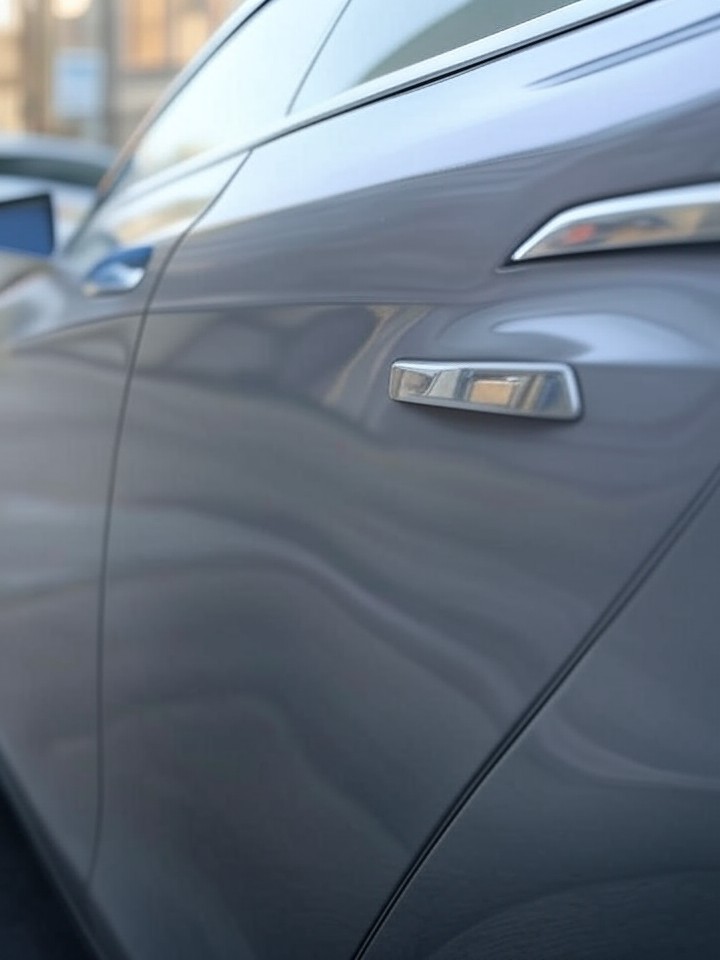
In the fast-paced world of electric vehicles, Tesla Inc. has long been celebrated for its innovative designs that prioritize aerodynamics and aesthetics. But a recent class-action lawsuit filed against the company is casting a shadow over one of its signature features: the flush, electronically powered door handles on the Model S. Owners of 2014-2016 models allege that these handles are prone to failure, leaving drivers and passengers trapped inside during emergencies or even routine situations. The suit, detailed in a report by Business Insider, accuses Tesla of knowing about the defects but failing to address them adequately, potentially endangering lives.
The complaint centers on the handles’ reliance on electronic mechanisms that can malfunction due to software glitches, battery issues, or mechanical wear. Plaintiffs describe scenarios where handles fail to extend or retract properly, complicating entry and exit. This isn’t an isolated grievance; it’s part of a broader pattern of complaints that have simmered for years. According to court documents referenced in the same Business Insider article, the lawsuit seeks compensation for repair costs, which can run into thousands of dollars per vehicle, and demands that Tesla implement a widespread recall or redesign.
Tesla’s response has been characteristically defiant. A company spokesperson dismissed the claims as “meritless,” emphasizing that the door handles are designed for efficiency and have undergone rigorous testing. Yet, this lawsuit arrives amid mounting scrutiny from regulators and lawmakers, suggesting that Tesla’s design choices are under siege from multiple fronts. Industry analysts note that while the handles contribute to the Model S’s sleek profile and reduced drag, they may compromise basic functionality in ways that traditional automakers have avoided.
Emerging Regulatory Pressures and Global Backlash
The timing of this legal action coincides with heightened regulatory attention. Just weeks before the lawsuit’s filing, the National Highway Traffic Safety Administration (NHTSA) launched an investigation into Tesla’s emergency door release mechanisms, as reported by Reuters. The probe, initiated after a defect petition, focuses on whether the mechanical overrides in models like the Model 3 are sufficiently accessible and labeled, raising parallels to the Model S issues. NHTSA’s concerns stem from reports of passengers struggling to exit during power failures or crashes, where hidden manual releases prove elusive.
On the legislative front, U.S. lawmakers are pushing back against electronic door handles altogether. A bill introduced to Congress, dubbed the SAFE Exit Act, aims to mandate easily identifiable manual door releases on all new vehicles, directly targeting designs popularized by Tesla. Coverage from InsideEVs highlights how the legislation responds to a “war on electronic door handles,” with proponents arguing that aesthetics should not trump safety. If passed, this could force Tesla to retrofit existing models or alter future ones, adding to the company’s compliance burdens.
Internationally, the backlash is even starker. China, a key market for Tesla, has banned flush electronic handles on electric vehicles, citing similar safety risks in emergencies. This development, noted in a piece by Repairer Driven News, underscores a global shift toward prioritizing egress reliability over innovative flair. For Tesla, which relies heavily on the Chinese market, this ban could disrupt sales and manufacturing strategies, amplifying the lawsuit’s implications.
Owner Frustrations and Historical Context
Tesla owners have voiced frustrations on social media platforms like X (formerly Twitter), where posts lament the door handles as “over-engineered” and unreliable. Sentiment analysis from recent X discussions reveals a mix of exasperation and calls for accountability, with users sharing stories of repeated failures and costly repairs outside warranty periods. One thread from early 2026 accused Tesla of shirking responsibility for design flaws, echoing the lawsuit’s claims without providing verifiable evidence of widespread malfunctions.
Historically, door handle issues aren’t new for Tesla. As far back as 2023, owners reported malfunctions in Model S vehicles, with some resorting to DIY fixes or third-party repairs. A 2023 recall of over 120,000 Tesla vehicles for doors unlocking during crashes, as covered in various media, highlighted early vulnerabilities in the electronic systems. The current lawsuit builds on this legacy, alleging that Tesla’s fixes—such as software updates—have been insufficient, leaving older models vulnerable.
For industry insiders, this raises questions about Tesla’s engineering philosophy. The company’s emphasis on minimalism and integration often leads to components that are interdependent, where a single failure can cascade. Experts point out that while traditional carmakers like Ford or GM opt for mechanical redundancies, Tesla’s approach bets on software reliability, a gamble that doesn’t always pay off in real-world scenarios.
Legal Ramifications and Industry Ripple Effects
The class-action status of the lawsuit could balloon its scope, potentially encompassing thousands of Model S owners from the affected years. Legal experts estimate damages could reach into the millions, factoring in repair reimbursements and diminished vehicle values. Drawing from the Business Insider report, plaintiffs argue that Tesla’s failure to disclose known defects violates consumer protection laws, setting the stage for a protracted court battle.
Beyond Tesla, this case could influence the broader automotive sector. Rivals like Rivian and Lucid, which have adopted similar flush-handle designs, may face preemptive scrutiny. Analysts suggest that if the lawsuit succeeds, it might accelerate a trend toward hybrid systems—combining electronic convenience with robust mechanical backups—to mitigate litigation risks.
Moreover, the involvement of NHTSA and proposed legislation signals a regulatory tightening that could reshape vehicle design standards. The SAFE Exit Act, as detailed in The Mercury News, proposes not just mandates but also penalties for non-compliance, potentially increasing costs for innovators like Tesla.
Engineering Challenges and Future Innovations
At the heart of the controversy is the engineering trade-off between form and function. Tesla’s door handles, which pop out electronically upon approach, reduce aerodynamic drag by up to 3%, contributing to the Model S’s impressive range. However, critics argue this comes at the expense of reliability, especially in adverse conditions like extreme cold or after prolonged use, where motors can seize or sensors fail.
Repair data from independent shops, often shared on forums and corroborated by X posts, indicate failure rates higher than industry averages for door mechanisms. Tesla’s service centers reportedly charge $500 to $1,000 per handle replacement, a cost that owners claim should be covered under implied warranties. The lawsuit demands a comprehensive fix, possibly involving redesigned handles with better fail-safes.
Looking ahead, Tesla might integrate lessons from this ordeal into newer models like the refreshed Model S or Cybertruck. Rumors from industry sources suggest explorations into haptic feedback or AI-driven diagnostics to preempt failures, though these remain speculative.
Consumer Sentiment and Market Implications
Public reaction on X has been vocal, with hashtags related to Tesla defects gaining traction in early 2026. Posts from owners describe handles as a “pain point,” with some humorously comparing them to overly complex gadgets from the space age. This grassroots discontent could erode brand loyalty, particularly among early adopters who prized Tesla’s innovation but now feel burdened by maintenance woes.
Market-wise, Tesla’s stock has shown volatility following lawsuit announcements, as investors weigh the financial fallout. While the company has weathered similar storms—recall the 2023 door-unlocking recall—the cumulative effect of multiple safety probes might pressure margins, especially with competition heating up from legacy automakers entering the EV space.
For consumers, the saga underscores the importance of due diligence. Prospective buyers are advised to scrutinize warranty terms and consider extended coverage for electronic components, lessons drawn from the ongoing disputes.
Broader Safety Debates in EV Design
The door handle issue ties into larger debates about safety in electric vehicles, where battery-dependent systems can falter in power-loss scenarios. NHTSA’s investigation, as per Reuters, extends to about 180,000 vehicles, probing whether emergency releases are intuitive enough for all users, including children or the elderly.
In China, the outright ban on flush handles, per Repairer Driven News, reflects a zero-tolerance stance on potential hazards, contrasting with the U.S.’s more iterative regulatory approach. This divergence could fragment global standards, complicating Tesla’s supply chain.
Industry watchers predict that successful litigation might spur class actions against other EV makers, fostering a push for standardized safety protocols across the board.
Tesla’s Path Forward Amid Criticism
Tesla CEO Elon Musk has yet to comment directly on the lawsuit, but his history of defending designs on X suggests a forthcoming rebuttal. Company filings indicate ongoing R&D into more resilient materials, potentially addressing the core complaints.
Critics, however, argue that Tesla’s customer service model—relying heavily on over-the-air updates—falls short for hardware defects. The lawsuit could force a shift toward more proactive recalls, aligning Tesla closer to traditional automotive practices.
As the case progresses, it will test the boundaries of innovation versus accountability in an industry racing toward autonomy.
Echoes of Past Controversies and Lessons Learned
This isn’t Tesla’s first brush with design-related lawsuits; past cases involving autopilot features and battery fires have similarly spotlighted the perils of cutting-edge tech. The door handle suit, amplified by media like DNyuz, adds to a narrative of recurring quality issues that challenge the company’s premium positioning.
For insiders, the key takeaway is the need for balanced design—where style enhances, rather than hinders, safety. As EVs evolve, expect more such reckonings as regulators catch up to technological leaps.
Ultimately, this legal storm may catalyze improvements that benefit the entire sector, ensuring that doors, quite literally, remain open to progress without trapping users in peril.


 WebProNews is an iEntry Publication