
Tesla’s Trademark Blunder: The Cybercab Fiasco and Its Ripple Effects on Autonomous Ambitions
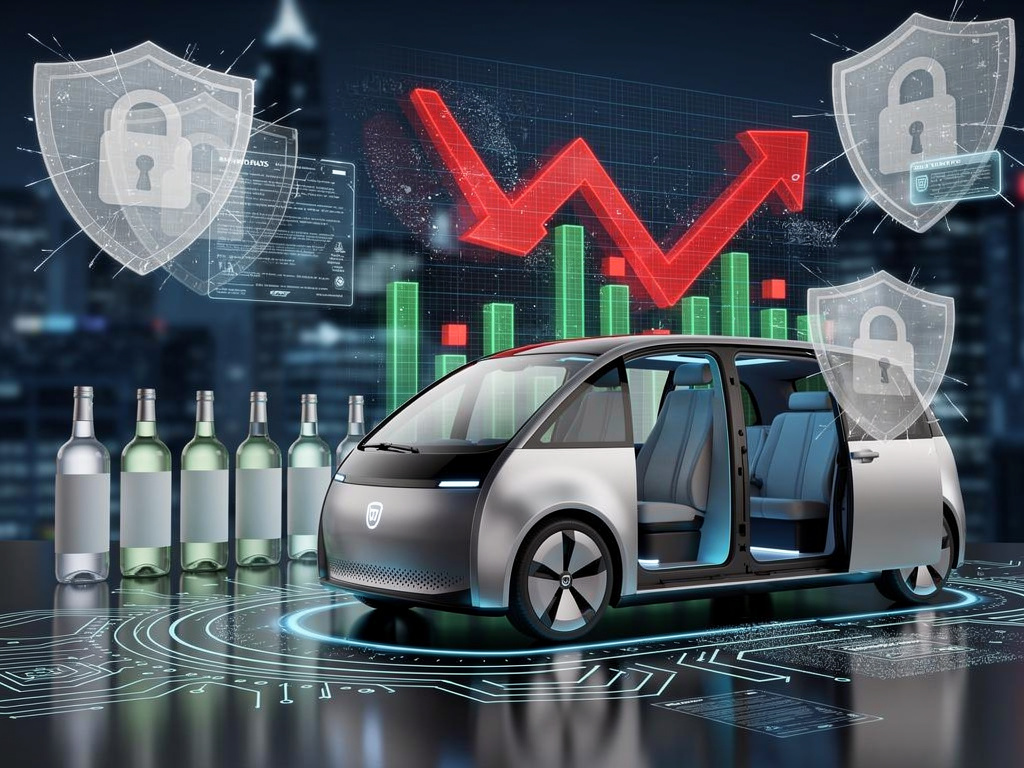
Tesla Inc., the electric vehicle pioneer led by Elon Musk, has long been synonymous with bold innovation and disruptive technology. But in a recent twist that highlights the perils of hasty product launches, the company has lost its bid to trademark “Cybercab,” the name for its much-hyped autonomous taxi. This setback stems from what industry observers describe as a glaring oversight: announcing the name publicly before securing the necessary intellectual property protections. The U.S. Patent and Trademark Office suspended Tesla’s application after discovering a prior filing by Unibev, a French beverage company, which had already staked its claim on the term.
The story unfolded rapidly in early 2026, with reports emerging that Tesla’s trademark application was blocked due to this earlier registration. According to details from Electrek, Tesla’s naming strategy for its autonomous vehicles has been chaotic since the “We, Robot” event, where the Cybercab was first unveiled. The company’s failure to file for the trademark before the big reveal allowed squatters to swoop in, a misstep compounded by Tesla’s own history of trademark tussles.
Unibev, primarily known for hard seltzers, isn’t new to clashing with Tesla over branding. The same entity holds trademarks for “Teslaquila,” a nod to Tesla’s earlier foray into branded liquor that also hit snags. This pattern suggests a deliberate strategy by Unibev to capitalize on Tesla’s branding ambitions, but it also underscores Tesla’s apparent laxity in intellectual property management.
A Pattern of Naming Nightmares
Tesla’s troubles with “Cybercab” echo a similar issue with “Robotaxi,” another term the company attempted to trademark but was denied. Posts on X, formerly Twitter, from users like Tesla Owners Silicon Valley highlighted the U.S. Patent Office’s rejection of “Robotaxi” back in 2025, pointing to ongoing challenges in securing evocative names for its self-driving initiatives. These social media discussions reflect a growing sentiment among Tesla enthusiasts and critics alike that the company’s marketing flair sometimes outpaces its legal diligence.
The fallout from the Cybercab trademark suspension has been swift and severe. Tesla’s stock took a notable hit, plunging as investors reacted to the news. A report from TipRanks.com detailed how the unavailability of the key product name contributed to a sharp decline in TSLA shares, emphasizing that securing trademarks is crucial for companies before product announcements. This event comes at a precarious time for Tesla, which is already grappling with declining electric vehicle sales.
Indeed, separate coverage from Nasdaq revealed that Tesla reported its sharpest annual sales decline in history for 2025, capping off a challenging period. The trademark loss adds another layer of uncertainty to Tesla’s autonomous vehicle push, which Musk has positioned as the future of the company.
Inside the Legal Labyrinth
Delving deeper into the trademark process, experts note that the U.S. Patent and Trademark Office operates on a first-to-file basis, rewarding those who act quickly. Tesla’s application for “Cybercab” was filed after Unibev’s, leading to an automatic suspension. As explained in an article from Jalopnik, the biggest error was announcing the name prematurely, giving opportunists like Unibev a window to file ahead.
This isn’t Tesla’s first brush with intellectual property disputes. In 2024, the company faced a lawsuit from Alcon Entertainment over the use of an AI-generated image resembling a scene from “Blade Runner 2049” during the Cybercab promotional event. Posts on X from outlets like IGN captured the controversy, where producers accused Tesla of “massive economic theft.” Such incidents paint a picture of a company that pushes boundaries but occasionally stumbles over legal hurdles.
For industry insiders, this raises questions about Tesla’s internal processes. How does a tech giant with vast resources overlook basic trademark checks? Sources suggest that the rapid pace of innovation under Musk’s leadership might prioritize speed over thoroughness, leading to these avoidable pitfalls.
Market Repercussions and Investor Sentiment
The stock plunge following the trademark news wasn’t isolated. Broader market analysis from Techi.com warns of 2026 risks for Tesla, as sales declines raise red flags for investors. The Cybercab, intended as a cornerstone of Tesla’s robotaxi fleet, now faces rebranding uncertainties that could delay marketing efforts and erode consumer confidence.
Investor reactions on X have been mixed, with some posts expressing frustration over what they see as “staggering incompetence,” echoing headlines from various news outlets. For instance, discussions around Tesla’s production plans for the Cybercab, slated to begin in April 2025 according to TechCrunch, now seem overshadowed by this branding debacle.
Moreover, the trademark loss intersects with Tesla’s ambitious autonomous driving goals. Musk has repeatedly touted the Cybercab as a game-changer, capable of operating without human intervention. Yet, with the name in limbo, Tesla might need to pivot to alternatives, potentially confusing partners and regulators.
Broader Implications for Autonomous Tech
Looking beyond Tesla, this incident highlights vulnerabilities in the autonomous vehicle sector. Competitors like Waymo have navigated naming and trademark issues more cautiously, as Musk himself acknowledged in past statements. The suspension of “Cybercab” could force Tesla to accelerate its legal strategies, perhaps through negotiations with Unibev or appeals to the USPTO.
Industry analysts point out that trademarks are more than just names; they embody brand identity and market positioning. Losing “Cybercab” might dilute Tesla’s cyberpunk aesthetic, which has been a hallmark since the Cybertruck launch. Reports from Drive Tesla note the ironic twist, given Tesla’s own liquor ventures, suggesting a poetic justice in Unibev’s blocking move.
For insiders, this serves as a case study in intellectual property management. Companies in fast-moving fields like autonomous tech must integrate legal vetting into their product development cycles to avoid such embarrassments.
Elon Musk’s Role and Company Culture
At the center of this storm is Elon Musk, whose impulsive style has both propelled Tesla to stardom and invited scrutiny. Critics on X have lampooned the situation, with posts drawing parallels to past blunders like the “Teslaquila” saga. Musk’s tendency to announce features via social media before they’re fully baked may contribute to these oversights.
Internally, Tesla’s culture emphasizes rapid iteration, but this can lead to gaps in areas like legal compliance. Former employees have anonymously shared on platforms that trademark checks sometimes fall by the wayside amid the rush to innovate.
Despite these setbacks, Tesla’s resilience shouldn’t be underestimated. The company has bounced back from worse, such as the 2024 robotaxi event that underwhelmed investors, as covered by CNBC. Still, repeated missteps could erode trust among stakeholders.
Potential Paths Forward
What comes next for Tesla? Options include challenging Unibev’s trademark, perhaps arguing lack of use or intent in the automotive space. Legal experts suggest that if Unibev is indeed a squatter, Tesla might prevail in court, but that process could be lengthy and costly.
Alternatively, Tesla could rebrand the Cybercab, drawing from its “cyber” lexicon. This wouldn’t be unprecedented; companies often pivot names post-launch. However, it risks confusing the market, especially as production ramps up.
Broader sentiment on X indicates optimism among fans, with some speculating that Musk will turn this into a marketing win, perhaps by crowdsourcing a new name. Yet, for industry watchers, this episode underscores the need for balanced leadership that marries vision with pragmatism.
Lessons from the Cybercab Saga
In reflecting on this trademark tumble, it’s clear that Tesla’s challenges extend beyond a single name. The autonomous vehicle arena is fraught with regulatory, technical, and now branding hurdles. As Tesla pushes forward, integrating robust legal strategies will be key to sustaining its edge.
Comparisons to past industry fiascos, like Apple’s trademark battles over “iPhone,” remind us that even giants stumble. For Tesla, this could be a catalyst for internal reforms, ensuring that future unveilings are as legally sound as they are spectacular.
Ultimately, while the loss of “Cybercab” is a setback, it doesn’t derail Tesla’s core mission. The company’s trajectory in autonomous tech will depend on execution, not nomenclature. As Musk often says, the proof is in the product—and with production on the horizon, Tesla has a chance to redefine mobility, trademark or no.


 WebProNews is an iEntry Publication