
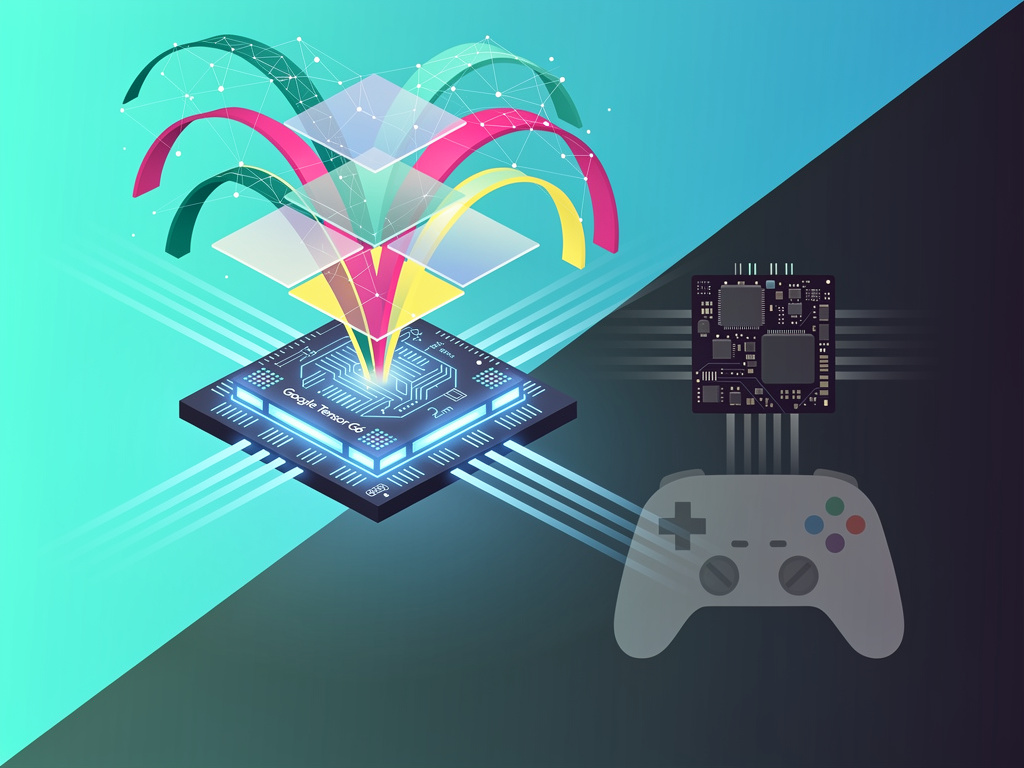
Leaks painting the Google Pixel 11’s Tensor G6 as a powerhouse for everyday tasks have flooded tech circles this week. But. A closer look reveals familiar cracks. The chip promises big CPU strides. Gaming? Not so much.
Leaker Mystic Leaks set off the buzz with a detailed spec sheet on Telegram, spotlighting a seven-core CPU configuration: one ARM C1 Ultra core humming at 4.11GHz, four C1 Pro cores at 3.38GHz, and two more at 2.65GHz. That’s a shift from the Tensor G5’s eight-core setup. Clock speeds climb higher than before. ARM’s latest C1-series cores should deliver snappier app launches, smoother multitasking, and beefier on-device AI processing—Google’s true north.
Digital Trends captured the tension early: ‘You probably won’t notice or feel the difference in everyday use. Though gaming or graphics-heavy workloads could remain a weakness for Google’s next-gen flagship phones.’
Then the GPU bombshell dropped. The Tensor G6 sticks with a PowerVR CXTP-48-1536—or CXT variant—architecture from 2021. Imagination Technologies launched it five years back. Tensor G5 already ran a DXT-48-1536 cousin. No generational leap here. Android Authority called it underwhelming: ‘Compared to the DXT GPU in the G5, we may not see any graphics performance gains.’
Why cling to old graphics silicon? Efficiency, die size control, heat management. Pixel phones have baked under load since Tensor’s debut. TSMC’s rumored 2nm node shrinks transistors, boosts power draw without throttling. Pair that with a MediaTek M90 modem—ditching Samsung’s power-hungry Exynos variants—and battery life could stretch further. A new Titan M3 security chip rounds out the upgrades.
Early Geekbench 6 runs back the CPU hype. A prototype ‘Kodiak’—Tensor G6’s codename—scored 845 single-core, 2,657 multi-core. Low numbers scream engineering sample. Still, core counts and clocks match Mystic’s post. Geekbench listing aligns perfectly. Compare to Snapdragon 8 Elite’s 3,000+ single-core peaks. Tensor trails. But for Pixel’s camera AI and voice models? Plenty.
Industry watchers see strategy. Google never chased gaming glory. Pixels prioritize photography, software smarts. Tensor G5 already lagged Snapdragon in frames per second; G6 risks widening that gap. Android Police warned: ‘The Tensor G5’s GPU performance is held back by outdated drivers. It lacks Vulkan 1.4 support, limiting its performance in games.’
Some push back. PhoneArena argues it’s no five-year-old relic exactly: ‘Google plans on using a more updated variant of the GPU, which means that users should not worry about this.’ Native Vulkan 1.4 could smooth frames, enable ray tracing. Overclock on 2nm keeps thermals in check. Optimism.
GSMArena echoed the specs: ‘The chipset features an ARM C1 Ultra core clocked at 4.11GHz, four ARM C1 Pro cores at 3.38GHz, and two additional C1 Pro cores running at 2.65GHz, marking a notable upgrade over the Tensor G5.’
On X, reactions split. @Saurav_DJ47 posted: ‘OLD 2021 GPU (PowerVR CXT) Heavy AI focus… Good for AI and Camera… but gaming could suffer.’ @rockleaks listed codenames—Cubs, Grizzly, Kodiak—for the lineup. Chatter builds around August launch, aligning with Pixel cadence.
Pixel 11 Pro XL rumors add meat: 6.8-inch LTPO display, up to 16GB RAM, 5,500mAh battery. Base Pixel 11 eyes 5,000mAh. Thinner bezels via Samsung M16 panels. All powered by this uneven Tensor.
Google’s bet: AI wins markets. Gemini Nano expansions, real-time translation, video boosts demand neural horsepower, not polygon pushes. Competitors like Snapdragon 8 Gen 4 or Apple’s A18 Pro flex in Genshin Impact. Pixels? They edit videos, spot objects in photos. Tradeoff deliberate.
History bites back. Tensor G1 throttled hard. G2, G3 iterated slowly. G4 hit 4nm. G5 stayed Samsung Foundry-tied. Now TSMC 2nm, custom ARM. Progress. Yet GPU stasis irks gamers eyeing OnePlus, Samsung.
Final silicon could surprise. Drivers matter. Optimization counts. Leaks evolve. For now, Tensor G6 signals Google’s line in the sand: fast enough for most. Flagship gaming? Look elsewhere.
Industry insiders watch sales. Will AI loyalty trump frame drops? Pixel 10 moved units on software alone. Pixel 11 tests if hardware catches up—or stays strategically behind.


 WebProNews is an iEntry Publication