
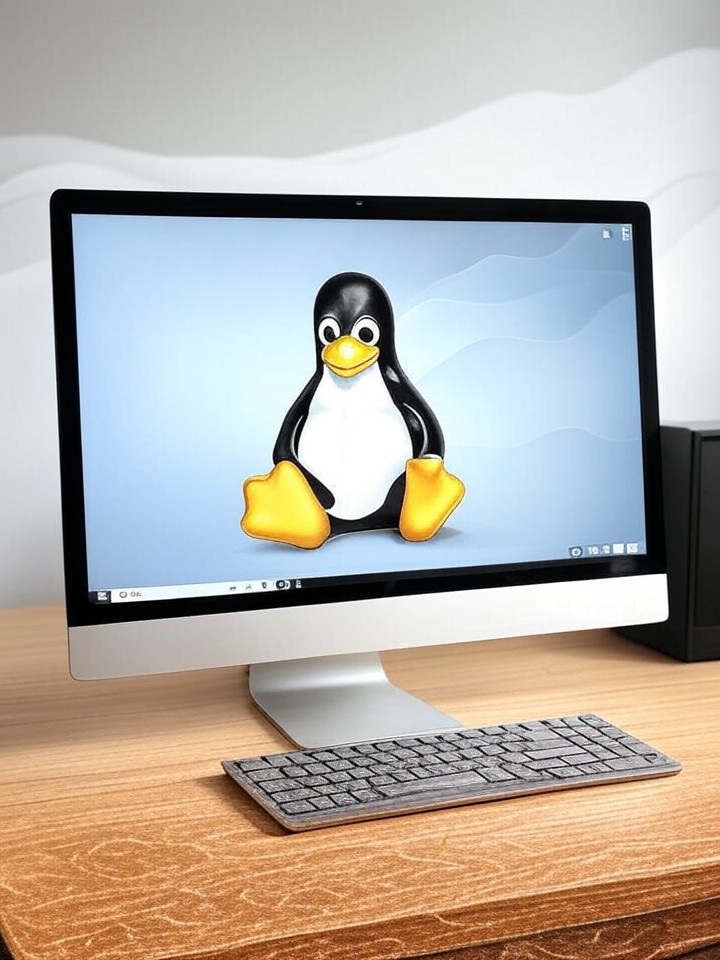
In the opening weeks of 2026, a quiet revolution seems to be unfolding in the personal computing world. Prominent technology writers, long accustomed to the familiar confines of Windows and macOS, are publicly declaring their shift to Linux-based systems. This isn’t just anecdotal chatter; it’s backed by a flurry of articles from influential voices who cite everything from frustration with proprietary software bloat to the allure of open-source freedom. The catalyst? A growing dissatisfaction with Microsoft’s ecosystem, particularly Windows 11’s intrusive updates and privacy concerns, juxtaposed against Linux’s rapid maturation.
Take, for instance, the recent wave highlighted in a Slashdot post aggregating stories from tech sites. Four bloggers detailed their migrations, each offering unique insights into why they’re making the jump. One, a senior reviews editor at The Verge, described hitting a breaking point with Windows’ forced updates that disrupted workflows. Another, from Notebookcheck, humorously noted running Artix Linux after a Windows update erased their dual-boot setup, underscoring the unreliability of Microsoft’s platform.
These accounts aren’t isolated. Broader sentiment echoes across social platforms and news outlets, where users and experts alike praise Linux for its stability and user control. Posts on X (formerly Twitter) from accounts like nixCraft emphasize how Linux empowers users to “own” their PCs, free from corporate overreach. This aligns with reports indicating a surge in desktop Linux adoption, driven by advancements in user-friendly distributions like Ubuntu and Linux Mint.
Rising Frustrations with Proprietary Giants
The push factors are clear. Microsoft’s Windows 11 has drawn ire for its mandatory updates, AI integrations like Copilot that scan user data, and resource-heavy features that slow down even modern hardware. As one X post from sysxplore put it, Linux offers “strong security without an antivirus chewing 40% of your CPU.” This resonates with bloggers who recount tales of bloatware and privacy invasions that make daily computing a chore.
In a detailed piece from The Verge, the author chronicles installing Linux after repeated catastrophes unrelated to the OS itself, but which highlighted Windows’ inflexibility. The switch, they note, brought a sense of liberation—customizable interfaces and no nagging license prompts for basic changes like wallpapers.
Meanwhile, Notebookcheck’s writer, in their article here, dives into months of adaptation, admitting to headaches but ultimately declaring it the best decision in over a decade. They highlight Linux’s efficiency on older hardware, a point echoed in a gHacks Tech News report that praises lightweight distributions for reviving sluggish PCs without the performance degradation seen in Windows over time.
Technological Advancements Fueling the Shift
Linux’s appeal isn’t just about escaping Windows’ pitfalls; it’s about what the open-source ecosystem now delivers. Gaming, once a major barrier, has seen massive improvements thanks to tools like Proton and Steam’s native support. Bloggers switching in 2026 often mention seamless compatibility with popular titles, reducing the need for dual-booting.
A TechPlanet analysis predicts 2026 as the breakthrough year for Linux desktops, citing user growth spurred by these enhancements. The article points to Rust programming language integrations bolstering security, as forecasted in a ZDNET piece on open-source trends, where desktop expansion is listed alongside advancements in kernel stability.
Industry insiders note that distributions like Fedora and Pop!_OS have refined their user experiences, making installation as straightforward as any consumer OS. One X post from Florian Roth highlights how Apple and Microsoft’s user-alienating moves—such as forced cloud integrations—have inadvertently boosted Linux. This sentiment is widespread, with users sharing habits learned from long-term Linux use, like efficient command-line workflows, in a How-To Geek reflection.
Personal Stories and Broader Implications
The human element shines through in these migrations. The Verge’s editor quips about finally embracing the “year of Linux on the desktop,” a long-standing joke in tech circles that’s starting to feel prophetic. Their experience mirrors others: initial setup hurdles give way to smoother operations, with community forums providing robust support.
Notebookcheck’s account adds depth, discussing the plunge into open-source waters after experimenting with dual-boots. They emphasize Linux’s customization depth—tweaking everything from desktop environments to kernel parameters—contrasting sharply with Windows’ locked-down approach. This customization is a recurring theme in X discussions, where users like Thibaut praise distributions like Mint for their Windows-friendly interfaces, making the transition painless.
Beyond individuals, this trend signals shifts in the tech sector. A StartupNews.fyi aggregation questions if a larger movement is afoot, noting four articles in one week from diverse sites. It ties into predictions from ZDNET, where open-source security and Rust’s rise could position Linux as a viable alternative for enterprises wary of proprietary vulnerabilities.
Challenges and Realistic Expectations
Not every voice is unequivocally positive. Some bloggers acknowledge Linux’s steep learning curve for newcomers. A How-To Geek article warns that while desktop Linux has advanced, certain software incompatibilities persist, especially for niche professional tools reliant on Adobe suites or specific drivers.
This balanced view is crucial for industry professionals considering the switch. The gHacks piece, while lauding performance gains on older hardware, admits that updates in Linux require more user involvement than Windows’ automated processes. Yet, for many, this hands-on aspect is a feature, not a bug, fostering deeper system understanding.
X posts reflect this duality; while nixCraft celebrates Linux’s readiness, others like SwiftOnSecurity jest about preparing for a “Linux survival” mindset with commands like systemctl. These discussions underscore that success depends on user willingness to adapt, with resources like Red Hat’s blog offering ecosystem insights for smoother transitions.
Economic and Cultural Shifts in Computing
Economically, the Linux surge could pressure Microsoft to reform. With bloggers influencing thousands, their endorsements amplify calls for better privacy and less bloat. TechPlanet’s report suggests Windows users are switching due to escalating costs—hidden licenses and hardware demands—while Linux remains free and efficient.
Culturally, this movement revives open-source ethos in mainstream tech discourse. ZDNET’s predictions highlight how security focus in 2026 will favor Linux, potentially drawing developers away from closed systems. Bloggers’ stories, like those in Slashdot’s roundup, illustrate this: one switched after a Windows update wiped their partition, prompting a full commitment to Artix.
Industry watchers see parallels to past shifts, such as the rise of Android in mobile. X sentiment from Markets & Mayhem hails 2026 as Linux’s desktop year, citing ease of use and app support as tipping points. This optimism is tempered by realism; as How-To Geek notes, not everyone should switch if their workflow demands proprietary software.
Innovation and Community Dynamics
Innovation in Linux thrives on community contributions, a stark contrast to top-down proprietary development. Red Hat’s blog, accessible here, details ecosystems involving partners and communities driving features like better hardware compatibility.
Bloggers often credit forums and wikis for troubleshooting, turning potential frustrations into learning opportunities. The Notebookcheck piece reflects this, with the author overcoming headaches through community help, emerging more proficient.
Looking ahead, trends suggest Linux could capture more market share in creative and development fields. ZDNET forecasts growth in desktop use, bolstered by Rust’s security benefits, positioning it against cyber threats that plague Windows.
The Road Ahead for Adopters
For those contemplating the switch, practical advice abounds. Start with user-friendly distros like Ubuntu, as recommended in multiple sources. Test via live USBs to avoid commitment risks, a tip from gHacks.
Long-term users, per How-To Geek’s habits article, develop efficiencies like scripting and modular updates, enhancing productivity. X posts from Dev Juyoung warn of Windows’ bloat and forced AI, making Linux’s lean design appealing.
Ultimately, these blogger migrations highlight a maturing alternative that’s no longer just for hobbyists. As Slashdot’s aggregation shows, the trend is gaining momentum, inviting more to explore open-source possibilities.
Evolving User Experiences
Experiences vary by hardware and needs. On older PCs, Linux shines, as gHacks reports, maintaining speed without the slowdowns from Windows’ cumulative updates.
Gaming enthusiasts find Proton transformative, enabling titles like Cyberpunk 2077 without native ports. TechPlanet’s analysis credits Valve’s investments for this.
Professional tools are catching up; alternatives to Photoshop like GIMP suffice for many, though gaps remain for high-end video editing.
Strategic Implications for Tech Firms
Tech companies must adapt. Microsoft’s response could involve easing Windows’ restrictions, but competition from Linux might spur innovation.
Open-source advocates see this as validation. ZDNET’s piece warns one legend may not survive, hinting at ecosystem consolidations.
For insiders, monitoring adoption metrics—Steam surveys show Linux at over 2%—offers clues to future dominance.
Sustaining the Momentum
Sustaining this trend requires continued improvements in accessibility. Distributions are focusing on intuitive installers and app stores.
Community events and online resources lower barriers. As bloggers share successes, they demystify Linux for broader audiences.
In essence, 2026’s switches reflect deeper desires for control and efficiency in computing, potentially reshaping user expectations industry-wide.


 WebProNews is an iEntry Publication