
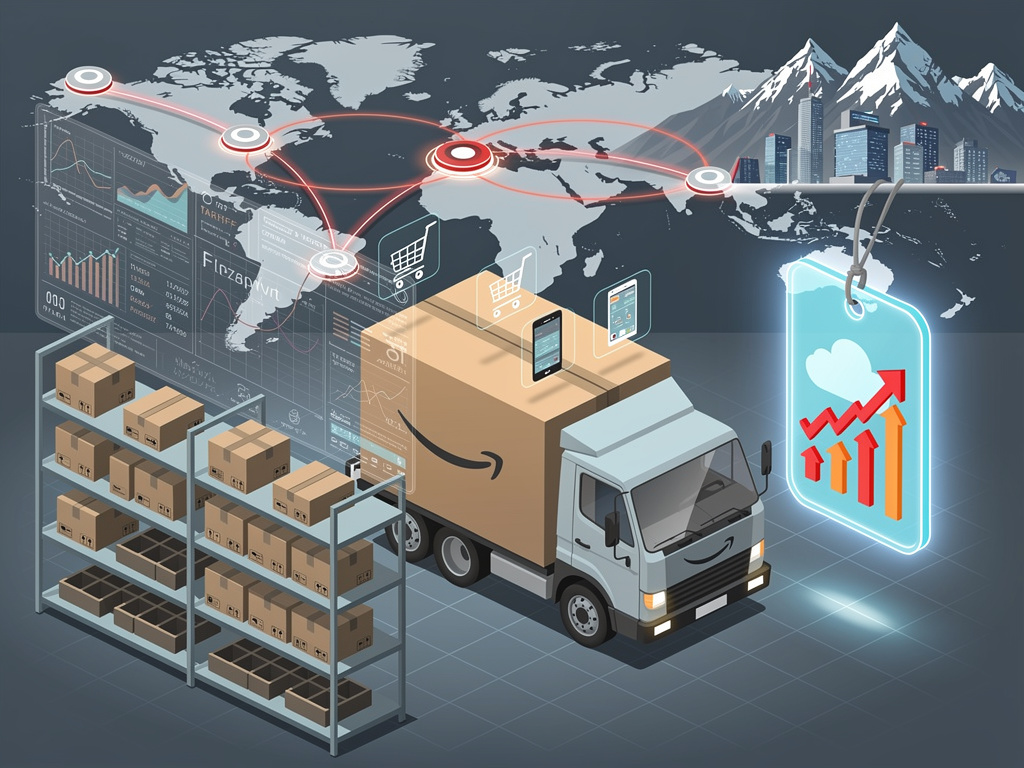
Amazon.com Inc. CEO Andy Jassy delivered a stark warning from the World Economic Forum in Davos: President Donald Trump’s tariffs are beginning to infiltrate product prices on the e-commerce giant’s platform. In an interview with CNBC’s Becky Quick on “Squawk Box,” Jassy revealed that sellers, after exhausting pre-tariff inventory stockpiles, are now passing on higher costs to consumers. “You start to see some of the tariffs creep into some of the prices,” Jassy said, noting the shift follows a strategic rush to import goods ahead of tariff hikes last year.
The executive’s comments, aired Tuesday, underscore a pivotal moment for online retail as trade policies collide with consumer spending. Amazon, with its vast network of two million sellers offering hundreds of millions of items, serves as a real-time barometer for tariff impacts. Sellers initially absorbed shocks by front-loading shipments, but as fall inventories depleted, price adjustments emerged. Jassy highlighted varied responses: some vendors raise prices outright, others absorb costs to maintain demand, and many split the difference.
Davos Dispatch: Jassy’s On-Stage Revelation
Jassy’s CNBC appearance (CNBC) came amid global discussions on trade tensions. He explained that Amazon pulled forward inventory last year and urged third-party sellers to do the same, dodging initial shipping cost surges. “That supply has run out in the fall,” Jassy told Quick, signaling the end of that buffer. Reuters corroborated the account, reporting Amazon is witnessing “an uptick in product prices” as sellers react to tariff pressures (Reuters).
The transcript from the full interview provides deeper context. Jassy noted Amazon’s scale offers resilience: “Amazon’s consumers overall, I think have fared well.” Yet he cautioned about 2026 uncertainties, with sellers employing diverse pricing tactics across vast catalogs. Quick pressed on future strategies, to which Jassy hinted at ongoing levers like supply chain optimization, though specifics remained guarded.
Seller Strategies Under Siege
Third-party sellers, who account for over 60% of Amazon’s sales, face acute pressures. Many source from China, ground zero for Trump’s tariff escalations. By preemptively importing, they delayed passthrough costs, but depleted stocks mean new shipments now bear 10-60% duties on categories like electronics and apparel. Yahoo Finance echoed Jassy’s view, stating tariffs are “starting to bump up product prices” on the platform (Yahoo Finance).
Posts on X reflect seller frustration. Industry observers noted bargain-hunting surges, with consumers pivoting to domestic alternatives or discounts. One thread highlighted small businesses raising prices 5-15% on tariff-hit goods, per seller forums. Jassy emphasized Amazon’s buyer focus: shoppers are “looking for bargains,” prompting platform-wide promotions to counter inflation signals.
Amazon’s Fortress Against Cost Pressures
Amazon’s first-party business, including private-label brands, gives it flexibility to source domestically or negotiate with suppliers. Jassy touted efficiencies like Supply Chain by Amazon, which streamlines logistics for sellers. In the CNBC transcript, he detailed consumer resilience: “We’ll have to see what happens in 2026,” but expressed optimism in the company’s adaptability (CNBC Transcript).
Historical context amplifies the stakes. During Trump’s first term, tariffs added billions in costs, spurring Amazon investments in U.S. fulfillment. Fortune reported Jassy’s earlier confidence that tariffs could bolster Amazon over rivals reliant on imports (Fortune). Today, that edge sharpens as competitors like Walmart grapple with similar woes.
Ripple Effects Across Retail
Beyond Amazon, tariffs threaten broader inflation. The Guardian warned of “rising inflation, slowing global trade,” with Trump’s policies decoupling U.S. strategy from logic (The Guardian). Reuters covered Trump’s Greenland-linked Europe tariff threats, reviving ‘Sell America’ fears and jittery markets (Reuters).
Amazon data shows price sensitivity: Jassy noted shoppers favor low-cost options, boosting Prime perks. TradingView News reinforced the price uptick narrative, tying it directly to seller responses (TradingView News). Sherwood News added that buyers seek deals amid creeping costs (Sherwood News).
2026 Outlook: Adaptation Imperative
Looking ahead, Jassy anticipates more volatility. Amazon’s AI tools, like agentic capabilities for sellers, aim to optimize pricing dynamically. Breakingthenews.net quoted Jassy directly: tariffs “started impacting prices” (Breakingthenews.net). X sentiment shows insiders debating reshoring, with U.S. manufacturing incentives potentially offsetting duties.
For industry players, the message is clear: diversify supply chains or risk margin erosion. Amazon’s position as a pricing vanguard positions it to lead, but sustained tariffs could test even its formidable defenses. As Jassy put it, the real test lies in balancing consumer wallets with geopolitical realities.


 WebProNews is an iEntry Publication