
Target reported its strongest quarterly sales increase in more than three years this spring. Net sales rose 6.7 percent to $25.4 billion. Comparable store sales grew 5.6 percent. Adjusted earnings per share hit $1.71, beating forecasts. Yet net income fell 25 percent. The numbers tell two stories. One of momentum. Another of heavy spending to fix what had broken.
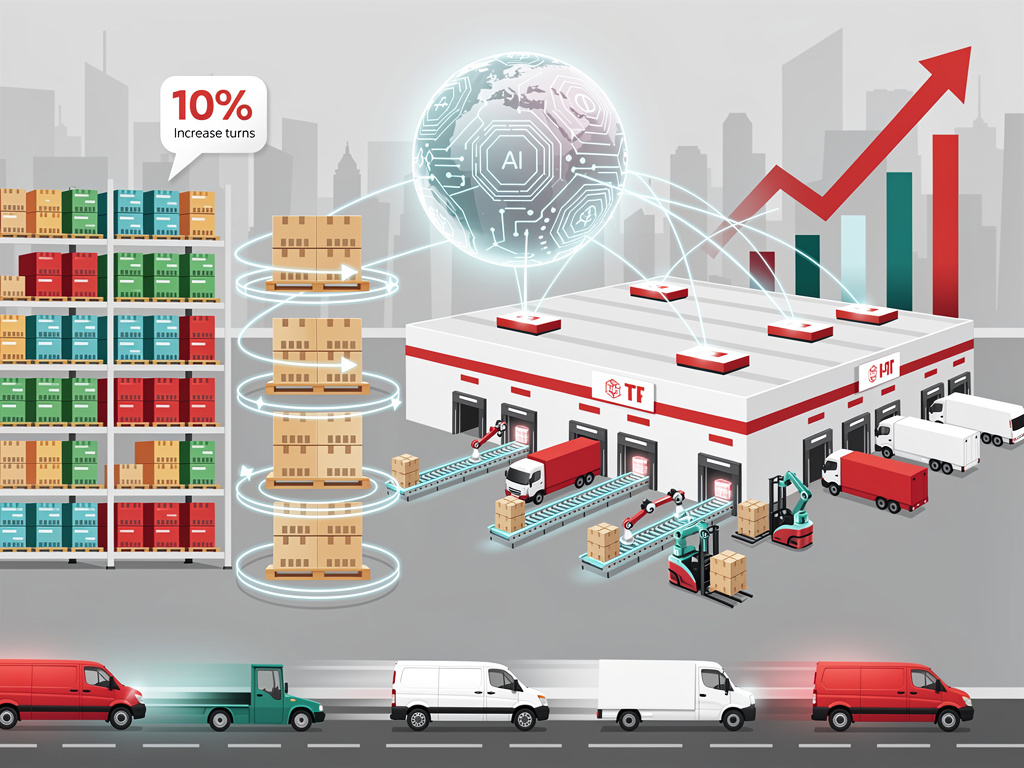
The retailer had struggled with inconsistent inventory. Popular items vanished from shelves. Customers left empty-handed. Money slipped away. Management made inventory reliability its top concern. And the early results from those fixes showed up in the first quarter of 2026. Out-of-stock rates dropped. Inventory turns climbed more than 10 percent. Top item availability held steady despite demand that beat expectations.
“Our go-forward strategy is focused on product availability, ship-to-home speed, and improved leverage on supply chain expenses,” Lisa Roath, Target’s chief operating officer, told analysts. She pointed to gains in key reliability measures. Improvements hit hardest in food, essentials and beauty. Those categories matter most to shoppers who visit frequently.
Target did not reach this point by accident. The company has poured resources into its network for years. But recent moves mark a sharper push. In late April it opened a $265 million facility in Houston unlike anything in its existing setup. The 1.2 million-square-foot site, called a Receive Center, takes goods straight from global vendors. It holds them until stores or distribution points need them. No more cramming seasonal or hard-to-predict items into downstream centers too early. Flexibility increases. Congestion drops.
The Houston site serves six regional distribution centers and one flow center. It sits strategically between import warehouses on the coasts. Early signs suggest it works. Supply Chain Dive reported that the facility adds inventory-holding capacity higher in the network. Target expects it to create 185 jobs. Company officials described it as a test. Success could mean more such centers. Sousan Ortega, senior vice president of field replenishment, global supply chain and logistics, called the project a way to understand future designs, according to a Modern Retail article from May 7, 2026.
But bricks and mortar form only part of the picture. Technology investments run alongside. Target applies artificial intelligence to sharpen demand forecasts. The goal is simple. Cut the swings that cause stockouts. Roath explained the approach. “We’re working to use AI to improve our demand forecasting, which helps reduce some of the volatility that can lead to some of those in-stock issues.” Data analytics and personnel upgrades support the shift. Facilities get smarter. People learn new systems.
On May 19 Target named a new leader to drive the next phase. Jeff England, a former Walmart executive with supply chain roles at three companies, becomes executive vice president and chief global supply chain and logistics officer effective May 31. He reports to Roath. The hire came days before the strong quarterly results. The Wall Street Journal detailed the appointment and its ties to years of sluggish sales. England replaces Gretchen McCarthy, who moves to an advisory role.
CEO Michael Fiddelke has tied the supply chain overhaul to a broader $1 billion incremental operating investment in 2026. Capital spending will reach about $5 billion. That money supports new stores, remodels, technology and logistics upgrades. The plan aims to deliver consistency. Guests notice when items appear reliably. They return more often. Same-day fulfillment from stores now accounts for two-thirds of digital sales. Drive-up, order pickup and delivery options expand.
Stores themselves act as hubs. Target has refined this model after early experiments overloaded locations. It scaled back fulfillment in some stores and concentrated operations in others with larger back rooms and lower foot traffic. Next-day delivery reached 35 major metro areas by late 2025. Plans call for more than 20 additional markets. Target’s own September 2025 update described testing in Chicago that informed the national rollout. Local demand now dictates which capabilities turn on or off.
The moves address problems that built over time. During the pandemic, demand surged then collapsed in unpredictable ways. Inventory bloat followed. Then came shortages. Tariffs added pressure. Target quietly reduced its reliance on China for owned-brand production from 60 percent in 2017 to around 30 percent by early 2025. The shift moved hardlines to Vietnam, Indonesia and Cambodia. Apparel sourcing from China fell to 17 percent by late 2024. The Conveyor outlined the multi-year sourcing changes in March 2026.
Those sourcing adjustments intersect with the new logistics network. A more balanced supplier base feeds the Receive Centers and sortation facilities. Target operates 11 sortation centers now. It plans to reach at least 15 by the end of 2026 after a $100 million commitment first announced years ago. The facilities speed last-mile delivery without heavy automation. Software and routing logic do much of the work. Stores avoid backroom clutter. Orders flow faster.
Analysts watch the execution closely. Revenue growth returned but margins face pressure from the investments. Consumer sentiment remains uneven. Fiddelke’s turnaround depends on translating supply chain gains into sustained traffic and basket size increases. Early data looks promising. Inventory productivity improved. Reliability metrics rose even when demand exceeded forecasts.
England steps into a role that demands both operational discipline and strategic vision. His Walmart background brings experience at massive scale. Target’s network includes roughly 70 supply chain facilities, up from 55 in early 2023. The count keeps growing. Each addition must integrate without creating new bottlenecks. Data must flow cleanly across systems. AI models need constant tuning as consumer habits shift.
The Houston Receive Center offers a glimpse of the future model. It holds products until actual demand signals trigger movement. That delays decisions on final placement. Seasonal goods avoid sitting unused in regional centers for months. Transport costs can fall. Store shelves stay fuller with the right items. Simple in concept. Complex in coordination.
Target has opened its 2,000th store. The network now spans physical retail, digital orders and same-day services in hundreds of markets. Success requires every link to perform. One weak spot and the guest experience suffers. Roath and her team point to measurable progress in the first quarter. Turns improved. Availability held. Out-of-stocks declined.
Yet the company continues to spend. Capital plans rose. Operating expenses climbed to fund assortments, marketing and modernization. Net income took the hit. Investors accept the trade-off for now. The question is whether the supply chain foundation can support higher sales without proportional cost increases. Leverage on those expenses becomes critical.
England starts at the end of May. He inherits a system in motion. New facilities. AI forecasting tools. Store-based fulfillment refined over multiple pilots. Sourcing diversified away from risk. The pieces exist. His task is to accelerate results and deliver the precision Roath described. Reliability. Speed. Consistency.
Retailers across the sector face similar pressures. Empty shelves erode trust faster than almost any other failure. Target learned that lesson through several disappointing quarters. The response combines physical assets, technology and leadership change. Billions committed. Progress visible in the latest earnings. The test now runs in real time with every shopper who walks through the doors or clicks to buy online.
And the early score favors the company. But retail never stands still. Consumer behavior can swing. New competitors emerge. Costs rise. Target placed its wager on a modernized supply chain. The coming quarters will show whether that bet pays off in sustained growth and healthier margins. For an industry that watches every percentage point, those results will matter.


 WebProNews is an iEntry Publication