
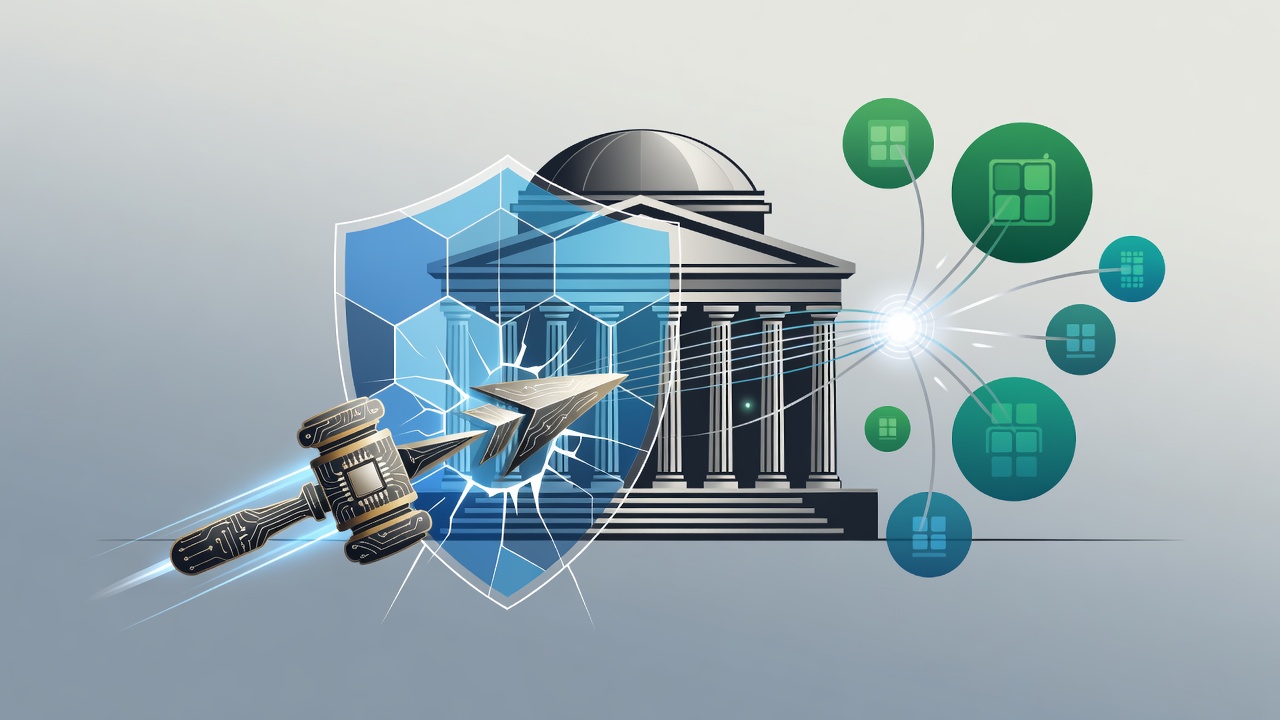
The U.S. Supreme Court agreed Tuesday to hear Apple’s appeal in its protracted battle with Epic Games over App Store rules. The decision thrusts the justices into a fight that has already stretched six years. It centers on whether Apple violated a court order by imposing fees on outside purchases.
At stake sits billions in annual revenue. And the outcome could ripple through app markets worldwide. But this isn’t the first time the high court has glanced at the dispute. Earlier denials left core questions unresolved. Now contempt enters the picture.
The case traces back to 2020. Epic, the maker of Fortnite, sued Apple after the iPhone maker booted the game for bypassing in-app payments. Reuters reported that Epic challenged Apple’s tight grip on iOS transactions and app distribution. District Judge Yvonne Gonzalez Rogers in Oakland, California, sided mostly with Apple. Yet she issued an injunction. Developers must be allowed to direct users to external payment options via links inside apps.
Apple complied. Sort of. It permitted the links. Then it added a 27% commission on any purchases completed outside its system within seven days of a click. Apple already takes 30% on its own in-app purchases. Epic cried foul. The new fee, it said, defied the order’s intent.
In 2025 Rogers held Apple in civil contempt. The company had willfully violated the injunction. The 9th U.S. Circuit Court of Appeals largely backed her in December 2025. It upheld the contempt finding but sent parts back for further review on allowable commissions. Apple pushed for a stay. Justice Elena Kagan turned it down in May 2026.
“A stay is now needed before Apple is forced to litigate its commission rate under an erroneous and prejudicial contempt label,” Apple told the court in its emergency filing, according to SCOTUSblog. The company warned the proceedings could reshape the global app market. Epic shot back. Apple’s “willful contempt” had delayed competition restoration by more than two years. It let the firm reap billions in what the 9th Circuit called supracompetitive fees.
The Supreme Court granted certiorari on the contempt issues Tuesday. It will not take up Apple’s challenge to the injunction’s worldwide scope. Arguments likely come next term. A final ruling could arrive in 2027.
Apple insists lower courts misread its obligations. The injunction never barred reasonable commissions for intellectual property and services, the company argues. Charging for external purchases doesn’t breach the order’s letter. It follows its spirit. Contempt requires clear violation. Here the rules were murky at best. So the label sticks unfairly. It prejudices future hearings on exact rates.
Epic sees evasion. Lower courts got it right. Apple designed policies to deter steering. The 27% fee plus extra steps made outside links unattractive. Developers stayed put. Billions continued flowing Apple’s way. AppleInsider noted that Apple claims the appeal will settle questions for future cases. Epic countered in a 35-page brief that no such need exists. The Supreme Court should deny review. Apple’s own reply called Epic’s filing confirmation that the issues demand scrutiny.
This round carries fresh weight. Regulators worldwide watch closely. “Regulators around the world are watching this case to determine what commission rate Apple may charge on covered purchases in huge markets outside the United States,” Apple said in a filing cited by Reuters. Europe has imposed its own rules under the Digital Markets Act. Other nations eye similar steps. A Supreme Court endorsement of Apple’s position might blunt those efforts. A loss could accelerate them.
Tech platforms hold enormous power. Apple’s App Store generates tens of billions yearly. Critics call the commissions a toll on innovation. Supporters say they fund security, curation and a reliable marketplace. The contempt fight boils down to one question. How far can courts go in rewriting private contracts after an antitrust win that was mostly a loss?
Judge Rogers rejected most of Epic’s claims in 2021. No monopoly in app distribution. No illegal tying. The anti-steering provision alone crossed the line. That narrow victory produced the injunction. Years of wrangling followed. Apple tweaked policies. Epic returned to court. Contempt sanctions loomed. The 9th Circuit trimmed some penalties but left the core violation intact.
Apple now asks the justices to clarify standards for contempt in complex injunctions. Vague “spirit of the order” tests invite abuse, it contends. Businesses need clear rules. Epic maintains Apple simply refused to accept defeat. It engineered workarounds that preserved its economic advantage. Courts properly called it out.
Industry insiders have followed every twist. App developers split in their views. Some welcome any crack in Apple’s wall. Others fear disrupted revenue streams or higher effective costs. Fortnite itself remains absent from iOS. Epic distributes it through its own storefront on Android and PC. The mobile version lives on web or sideloading where allowed.
Shares of Apple barely budged on the news. Investors long ago priced in prolonged legal costs. The company’s services segment, which includes App Store fees, continues robust growth. Epic, backed by Tencent and others, shows no sign of retreat. Its CEO Tim Sweeney has made App Store openness a personal crusade.
Legal experts see several paths. The court might tighten contempt standards. It could limit injunctions to the plaintiff alone rather than industry-wide relief. Or it might simply affirm the lower courts and let the commission hearings proceed. Either way the case offers rare Supreme Court guidance on technology platform liability.
Previous Supreme Court involvement was limited. In 2024 the justices declined full review of the original merits. That left the 9th Circuit’s mixed ruling in place. The current petition succeeded where the broader appeal failed. Contempt carries unique urgency. No company wants to litigate rates while branded a violator.
Apple has already adjusted policies globally in some markets. Link-outs exist. External payments occur. Yet the precise economics remain contested. A 27% fee might drop. It might rise. The district court must still decide what constitutes a fair commission for Apple’s platform services when purchases happen elsewhere.
The justices’ choice to hear the case signals interest in these boundary questions. Antitrust in digital markets tests traditional doctrines. Market definition. Barriers to entry. Consumer harm. Here the harm allegation centers on suppressed competition in payment processing. Apple counters that its system delivers superior security and privacy.
Whatever the outcome, the fight won’t vanish. New complaints surface regularly. Lawmakers propose bills. Regulators file actions. The Supreme Court rarely visits these waters. Its voice will carry.
Epic greeted the grant with defiance. “We’re heading to the Supreme Court where we’ll continue to fight against junk fees Apple charges on third-party payments,” the company posted on X. “Lower courts have rightly found Apple’s fees to be illegal and anticompetitive and we’ll continue to defend free markets.”
Apple declined immediate comment beyond its filings. Its lawyers have argued the lower courts applied the wrong legal tests. They overreached on both injunction scope and contempt. The high court now gets to say whether they did.
Years from the original lawsuit, the dispute circles back to core tensions. Control. Money. Innovation. One ruling won’t resolve them all. It will, however, set the terms for the next round. And in tech, the next round always comes.


 WebProNews is an iEntry Publication