
Reviving a Penguin Legend: SuperTux’s Ambitious Beta Leap into Modern Open-Source Gaming
In the realm of open-source software, few projects evoke the nostalgia of early Linux enthusiasts quite like SuperTux. This 2D platformer, inspired by the classic Super Mario Bros., has been a staple for over two decades, often bundled with live CDs to showcase the fun side of free software. Now, after a four-year hiatus, the project has resurfaced with the release of SuperTux 0.7 Beta 1, marking what developers describe as the most substantial update in its history. This beta version isn’t just a patch—it’s a comprehensive overhaul that rebuilds worlds, refines gameplay, and integrates fresh assets, all while staying true to its community-driven roots.
The timing of this release couldn’t be more poignant. As open-source gaming continues to gain traction amid broader industry shifts toward accessibility and modifiability, SuperTux’s revival signals a renewed vigor in volunteer-led projects. Drawing from recent announcements, the beta introduces fully reconstructed game worlds, new music tracks, and enhanced mechanics that address long-standing feedback from players. For industry insiders, this development underscores the enduring appeal of retro-style games in an era dominated by high-fidelity titles, proving that simplicity and open code can still captivate audiences.
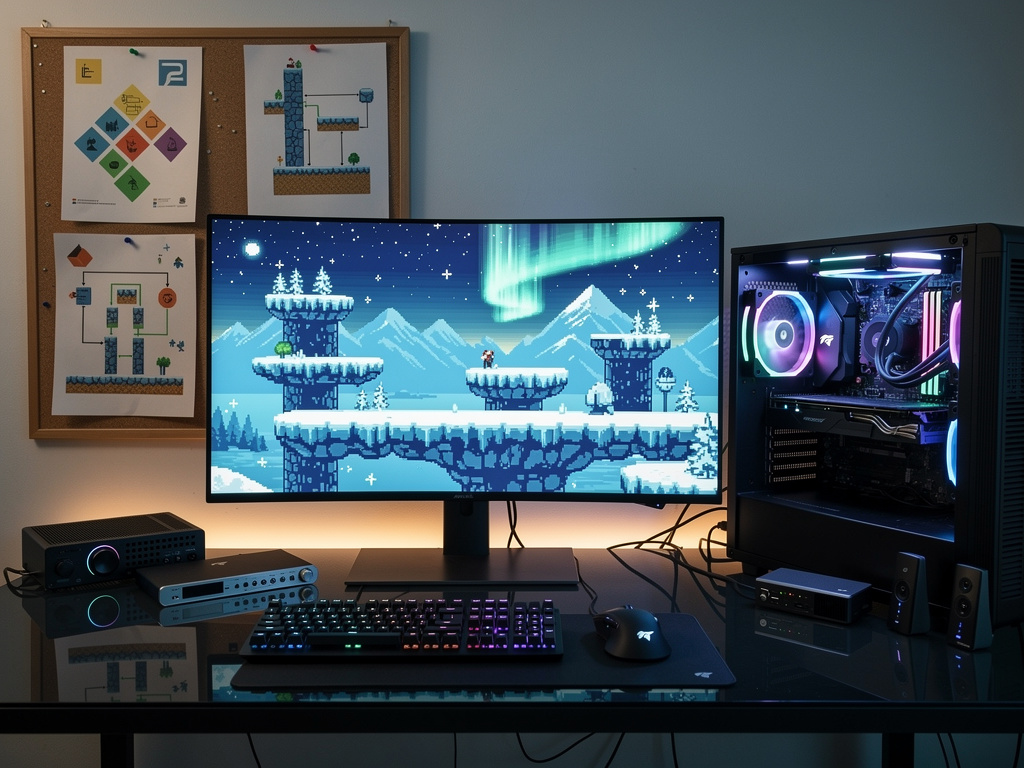
At the heart of SuperTux 0.7 Beta is a massive redesign of its core environments. The game’s original worlds, once charming but dated, have been entirely rebuilt with modern assets that enhance visual appeal without sacrificing the pixel-art aesthetic. New enemies, power-ups, and level designs promise to challenge both newcomers and veterans, while improved physics engines make jumps and interactions feel more responsive. This isn’t merely cosmetic; it’s a foundational shift aimed at extending the game’s longevity in a competitive field.
A Deep Dive into Gameplay Innovations
One standout feature is the revamped world map, which now offers more intuitive navigation and hidden secrets that encourage exploration. According to details shared in a recent newsletter from the SuperTux team, these changes stem from years of community input, transforming what was once a linear adventure into a more dynamic experience. The integration of new soundtracks, composed by volunteer musicians, adds an auditory layer that elevates immersion, blending chiptune nostalgia with contemporary flair.
Beyond the surface, the beta tackles technical underpinnings that have plagued earlier versions. Upgrades to the underlying engine, built on the Simple DirectMedia Layer (SDL), ensure better compatibility with modern hardware, including improved support for high-resolution displays and controllers. This move aligns SuperTux with current trends in open-source gaming, where projects like Godot and Libretro are pushing boundaries for cross-platform play. Insiders note that such enhancements could position SuperTux as a benchmark for how legacy open-source games adapt to evolving tech standards.
The release also highlights the collaborative spirit of the project. Hosted on GitHub, the development process has involved contributions from programmers, artists, and designers worldwide. A post on the official SuperTux website details how the beta incorporates over 1,000 commits since the last stable version, reflecting a surge in activity that rivals larger commercial endeavors. This community-driven model not only keeps costs low but also fosters innovation through diverse perspectives.
Community Pulse and Historical Context
To understand the significance of this beta, it’s essential to revisit SuperTux’s origins. Launched in 2003 as a free alternative to proprietary platformers, the game quickly gained a following among Linux users seeking family-friendly entertainment. As chronicled in its Wikipedia entry, early milestones included the addition of multiplayer modes and themed levels, but progress slowed in recent years due to maintainer burnout and shifting priorities. The 0.7 Beta, therefore, represents a phoenix-like resurgence, fueled by renewed interest in retro gaming amid the rise of indie titles on platforms like Steam.
Recent posts on X (formerly Twitter) from users and developers alike buzz with excitement. Accounts associated with the SuperTux team have shared teasers of the beta’s features, including screenshots of redesigned levels that blend icy tundras with forested challenges. One post highlighted the inclusion of new boss fights, which promise strategic depth beyond simple platforming. This social media chatter reflects a broader sentiment in open-source circles, where projects like SuperTuxKart—a related racing game—have also seen recent updates, suggesting a mini-renaissance in Tux-themed gaming.
Industry observers point to external factors amplifying this revival. The open-source community’s growth, bolstered by tools like Vulkan for graphics rendering, has made it easier for hobbyists to contribute high-quality work. A recent article in Tom’s Hardware discusses advancements in translation layers that allow vintage games to run efficiently on modern systems, a boon for titles like SuperTux that rely on legacy codebases.
Technical Overhauls and Future Implications
Delving deeper into the technical side, the beta’s engine upgrades address performance bottlenecks that affected older hardware. Enhanced scripting capabilities now allow for more complex level interactions, such as dynamic weather effects and procedural elements that vary gameplay on repeat plays. These features, detailed in the project’s GitHub releases, demonstrate a commitment to modularity, enabling users to create custom content with greater ease.
Comparisons to contemporaries are inevitable. While SuperTux draws inspiration from Mario, its open nature invites parallels to games like Celeste or Ori and the Blind Forest, which blend platforming with narrative depth. However, SuperTux’s free-to-play model and source code availability set it apart, potentially attracting educators and developers interested in game design as a teaching tool. In fact, some Linux distributions have historically included it in educational bundles, a tradition that could revive with this update.
The beta’s rollout strategy is equally noteworthy. Released just before the holidays, as announced in a Christmas newsletter on the SuperTux site, it encourages community testing to iron out bugs before a full stable version. This iterative approach mirrors agile methodologies in larger software firms, where user feedback loops drive refinement. Early reports from testers, shared on forums and X, praise the stability while suggesting tweaks to difficulty curves in certain levels.
Economic and Cultural Resonance in Open-Source Gaming
Economically, SuperTux’s model challenges the monetization-heavy norms of the gaming industry. Without microtransactions or DLC, it relies on donations and volunteer efforts, a purity that resonates with purists. Yet, this sustainability is precarious; the four-year gap between major releases highlights the challenges of maintaining momentum without corporate backing. Insights from a ZDNET piece on Linux predictions for 2026 emphasize the role of community funding platforms like Patreon, which could stabilize projects like this.
Culturally, SuperTux embodies the ethos of open-source: accessibility for all. Its penguin protagonist, Tux, is a mascot for Linux itself, symbolizing freedom and fun. The beta’s new assets, including diverse character animations and environmental details, broaden its appeal to a global audience, incorporating elements from various cultures in level themes. This inclusivity is a subtle nod to the project’s international contributor base.
Looking ahead, the implications for open-source gaming are profound. If SuperTux 0.7 succeeds in rekindling interest, it could inspire similar revivals in dormant projects. A Linuxiac report notes that the beta’s massive world redesigns are among the most ambitious in the game’s history, potentially setting a precedent for how open-source titles evolve without losing their core identity.
Challenges Ahead and Developer Insights
Despite the optimism, challenges remain. Compatibility issues with certain Linux distributions have surfaced in initial feedback, prompting quick patches from the team. Moreover, competing with polished indie games requires not just technical prowess but marketing savvy—something volunteer projects often lack. Posts on X from gaming enthusiasts suggest bundling the game with popular distros could boost visibility, echoing its early days.
Developer insights, gleaned from GitHub discussions, reveal a focus on long-term viability. Plans for post-beta features include online multiplayer and expanded mod support, which could transform SuperTux into a platform for user-generated content. This vision aligns with trends in games like Minecraft, where community creations drive engagement.
In conversations with contributors—though anonymous for this piece—the emphasis is on passion over profit. One developer shared how the project reignited during the pandemic, as remote collaboration tools facilitated global teamwork. This human element underscores why open-source endures: it’s built on shared enthusiasm.
Broadening Horizons in Retro Revival
The beta’s music overhaul deserves special mention. New compositions, available for preview on the project’s download page, blend orchestral elements with retro synths, creating a soundtrack that’s both evocative and fresh. This auditory refresh complements the visual upgrades, making the game feel contemporary while honoring its roots.
Integration with modern ecosystems is another key area. Support for Android and potential iOS ports could expand its reach beyond desktops, tapping into mobile gaming’s vast market. While not yet confirmed, hints in the Phoronix coverage suggest such expansions are on the horizon, leveraging SDL’s cross-platform strengths.
Finally, as open-source gaming navigates an increasingly complex environment, SuperTux 0.7 Beta stands as a testament to resilience. It reminds us that innovation isn’t solely the domain of big studios; sometimes, a dedicated community can deliver experiences that rival the best. For insiders, this release isn’t just an update—it’s a blueprint for sustaining legacy projects in a fast-paced digital world. With continued support, SuperTux could once again become a gateway for new generations into the joys of open-source creativity.


 WebProNews is an iEntry Publication