
Reviving the Third Place: How Starbucks’ CEO Brian Niccol Draws Inspiration from a Sitcom Café to Reshape a Coffee Empire
In the waning days of 2025, as Starbucks grapples with evolving consumer habits and economic pressures, CEO Brian Niccol has turned to an unlikely muse: Central Perk, the fictional coffee shop from the beloved 1990s sitcom “Friends.” This vision, articulated in a recent interview, underscores Niccol’s broader strategy to transform Starbucks stores into welcoming havens that foster community and lingering conversations, much like the cozy spot where Ross, Rachel, and the gang spent countless hours. Niccol, who took the helm in late 2024 after a successful stint at Chipotle, sees this as key to revitalizing the brand amid sluggish sales and shifting market dynamics.
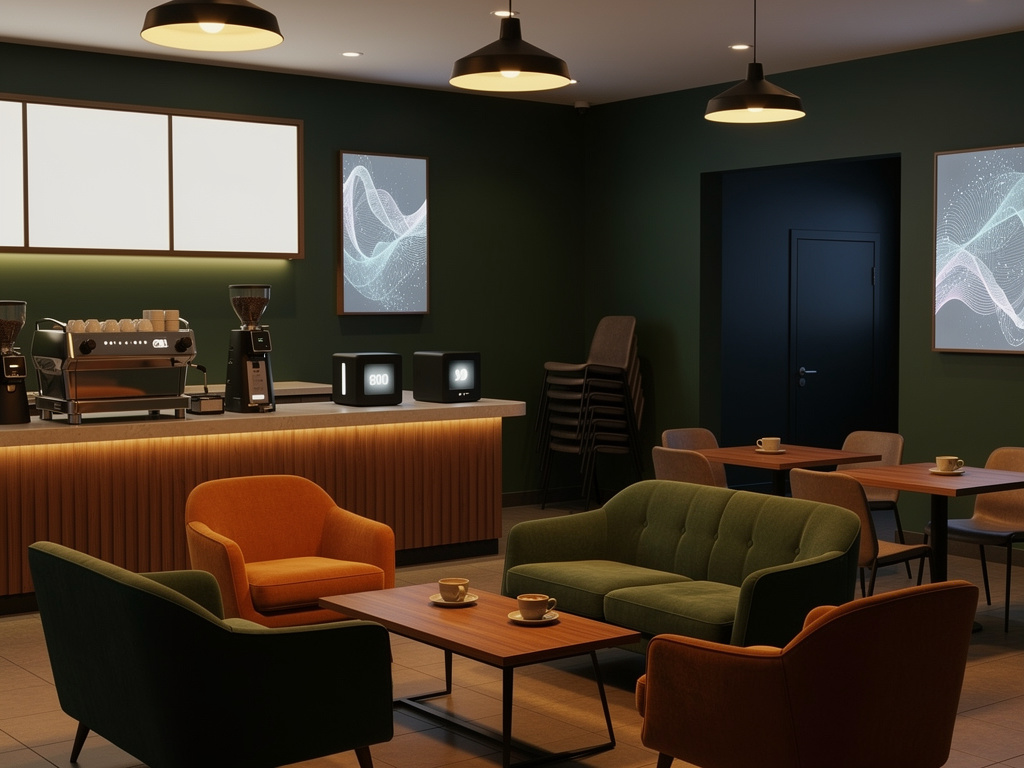
Niccol’s comments came during a wide-ranging discussion where he emphasized creating an atmosphere that encourages customers to stay rather than grab and go. “I want our stores to feel like that neighborhood coffeehouse where people come together,” he said, explicitly referencing Central Perk as a guiding light. This isn’t mere nostalgia; it’s a calculated pivot. According to a report from Business Insider, Niccol envisions redesigns that prioritize comfortable seating, ambient lighting, and a sense of warmth to counteract the perception of Starbucks as a sterile, transaction-focused chain.
The initiative aligns with Niccol’s “Back to Starbucks” campaign, launched earlier in 2025, which aims to reconnect the company with its roots as a purveyor of premium coffee and human connection. Internal memos and public statements highlight efforts to simplify menus, enhance barista training, and revamp store layouts. Yet, this Friends-inspired approach raises questions about feasibility in a post-pandemic world where remote work and digital ordering have altered how people interact with coffee shops.
Niccol’s First Year: A Flurry of Reforms
Since assuming the CEO role, Niccol has implemented a series of changes that have reshaped operations. One notable shift includes sweeping store closures, particularly in densely populated urban areas like New York and Los Angeles, where oversaturation had diluted the brand’s appeal. As detailed in another Business Insider piece, Niccol oversaw the shuttering of underperforming locations to focus resources on high-potential sites, aiming for a more curated presence rather than ubiquity.
Beyond closures, Niccol relaxed the dress code for employees, allowing more personal expression to boost morale and authenticity in customer interactions. He also reintroduced handwritten notes on cups, a nod to personalization that had faded in the era of mobile orders. These tweaks, while small, contribute to the overarching goal of making stores feel more inviting, echoing the laid-back vibe of Central Perk where baristas like Gunther became part of the community’s fabric.
Financially, these moves come at a critical juncture. Starbucks reported a modest 2% profit increase in 2025, reaching $26.526 billion, but this growth masked underlying challenges like declining same-store sales in key markets. Niccol’s strategy bets on quality over quantity, prioritizing customer experience to drive loyalty and higher spending per visit.
Integrating Technology with Human Touch
A cornerstone of Niccol’s vision involves leveraging artificial intelligence not as a replacement for workers but as a supportive tool. In an interview with Fox Business, he described AI as a “co-pilot” for baristas, aiding in inventory management, personalized recommendations, and efficient order processing. This allows staff more time for face-to-face engagement, aligning with the communal ethos of a Friends-like café.
However, this tech integration hasn’t been without controversy. Labor unions, including Starbucks Workers United, have voiced concerns over job security and working conditions. Posts on X from various users, including union representatives, highlight tensions, with some criticizing Niccol’s compensation—reportedly around $50,000 per hour—amid calls for better employee wages. These sentiments reflect broader industry debates about balancing innovation with fair labor practices.
On the menu front, Niccol streamlined offerings to emphasize core coffee products, reducing complexity that had overwhelmed both customers and staff. This echoes his Chipotle playbook, where simplifying choices led to operational efficiency and brand clarity. Early data suggests these changes are resonating, with some locations reporting increased dwell time and repeat visits.
Navigating Union Tensions and Market Pressures
Union dynamics have added layers to Niccol’s turnaround efforts. In 2025, amid ongoing negotiations, Starbucks faced pushback on reforms perceived as cost-cutting measures. A statement from Starbucks Workers United, as shared on social media platforms like X, argued that true improvement requires centering baristas’ voices, not just executive visions. Niccol has publicly committed to dialogue, but progress has been uneven, with strikes and protests marking the year.
Market analysts, meanwhile, have mixed views on the strategy’s pace. A CNBC analysis noted that while customer traffic has ticked up in revamped stores, investors anticipated quicker results. Stock performance has been volatile, with shares climbing modestly but not matching the explosive growth Niccol delivered at Chipotle, where the value surged eightfold under his leadership.
Competitively, Starbucks contends with rivals like independent cafés and chains such as Dunkin’, which have capitalized on value-driven offerings. Niccol’s Friends-inspired pivot seeks to differentiate by emphasizing experience over convenience, betting that in an era of social isolation, people crave spaces for genuine connection.
The Cultural Resonance of Central Perk
Why “Friends”? The show’s enduring popularity—still streaming heavily on platforms like Netflix—taps into a cultural nostalgia for pre-digital socializing. Central Perk wasn’t just a backdrop; it was a character, symbolizing comfort, humor, and camaraderie. Niccol’s nod to it, as reported in DNYUZ, is strategic, aiming to evoke those feelings in real-world stores through design elements like plush seating and communal tables.
Starbucks’ own website details the “Back to Starbucks” initiative, which includes reinvigorating coffeehouse culture and focusing on human connections. A post on the company’s stories page from September 2025 outlines evolutions like better job opportunities in retail and a renewed emphasis on coffee craftsmanship, all feeding into Niccol’s vision.
Industry insiders note that this approach could redefine the coffee sector. By prioritizing ambiance, Starbucks might attract a demographic weary of impersonal drive-thrus and app-based transactions, potentially setting a new standard for experiential retail.
Challenges Ahead: Execution and Adaptation
Implementing this vision isn’t without hurdles. Urban real estate costs and varying customer preferences across regions complicate store redesigns. For instance, while New Yorkers might embrace a cozy café vibe, suburban markets could prefer quick service. Niccol has addressed this by piloting changes in select locations, gathering feedback to refine the model.
Economically, inflation and cautious consumer spending in 2025 have pressured discretionary purchases like premium lattes. Niccol’s reforms include value-oriented promotions, but maintaining premium pricing while enhancing perceived value remains a delicate balance.
Looking globally, Starbucks’ international expansion continues, with adaptations to local tastes. In markets like China, where tea dominates, the Friends-inspired model might translate differently, perhaps blending with cultural gathering spaces.
Employee Empowerment and Brand Rejuvenation
Central to Niccol’s plan is empowering baristas, whom he views as the heart of the Starbucks experience. Training programs have been bolstered to emphasize storytelling around coffee origins, fostering a sense of pride and expertise. This mirrors the interpersonal dynamics in “Friends,” where interactions drive the narrative.
Posts circulating on X from industry observers praise Niccol’s consumer food background—from Pringles at Procter & Gamble to revitalizing Taco Bell with hits like Doritos Locos Tacos. His track record suggests a knack for innovation that could propel Starbucks forward.
Yet, sustainability efforts also play a role. Niccol has pushed for eco-friendly practices, such as reducing plastic use, aligning with millennial and Gen Z values that prioritize ethical consumption alongside social spaces.
Investor Sentiment and Long-Term Outlook
As 2025 closes, investor sentiment hinges on tangible results. While same-store sales have shown improvement, broader economic headwinds like potential recessions loom. Niccol’s open letter from earlier in his tenure, echoed in X posts from business accounts, outlined focuses on barista support and in-store enhancements, which have partially materialized.
Comparisons to predecessors highlight the shift: unlike prior leadership’s emphasis on rapid expansion, Niccol’s is introspective, undoing some past strategies as noted in analytical threads on social media.
Ultimately, if successful, this Central Perk-inspired renaissance could restore Starbucks’ status as the ultimate “third place” between home and work, blending nostalgia with modern relevance in a fragmented retail environment.
Broader Implications for Retail Innovation
The strategy’s ripple effects extend beyond coffee. Retail experts see it as a blueprint for other chains facing digital disruption, emphasizing physical spaces that technology can’t replicate. Niccol’s integration of AI as an enhancer rather than a disruptor sets a precedent for human-centric tech adoption.
Union relations will be pivotal; resolving tensions could model collaborative labor practices in service industries. Meanwhile, consumer feedback, gleaned from app reviews and social media buzz, indicates growing enthusiasm for the warmer store atmospheres.
As Starbucks evolves under Niccol, the blend of sitcom inspiration and strategic overhaul might just brew the perfect cup for sustained success, proving that sometimes, the best ideas come from the screen to the storefront.


 WebProNews is an iEntry Publication