
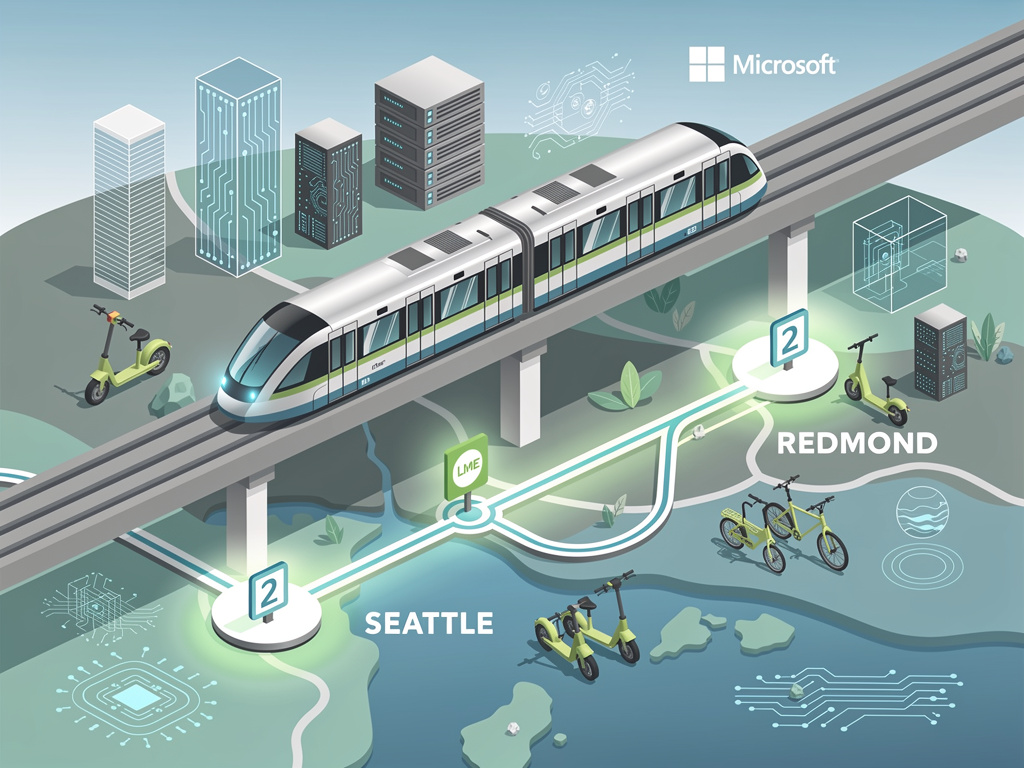
The expansion of public transit in the Puget Sound region has reached a significant milestone with the introduction of a new light rail connection bridging Seattle and the Eastside communities. This development, part of Sound Transit’s broader efforts to enhance mobility, links downtown Seattle with areas like Bellevue and Redmond, promising to reshape daily commutes and economic ties across Lake Washington. Companies such as Microsoft and Lime have stepped forward to support the launch through various events and initiatives, highlighting the intersection of technology, transportation, and community engagement.
Sound Transit, the agency overseeing the project, has worked for years to bring this line to fruition. The route, known as the 2 Line, spans approximately 6.6 miles initially, with plans for further extensions. It begins at the South Bellevue Station and extends to the Redmond Technology Station, serving key stops in between. This segment represents the first phase of what will eventually connect to more Eastside locations. The engineering behind the line involves advanced rail systems designed for efficiency and reliability, incorporating features like automated train control and energy-efficient propulsion to handle the region’s hilly terrain and variable weather.
Microsoft, with its headquarters in Redmond, plays a prominent role in the celebrations surrounding the opening. The tech giant has long advocated for improved transit options, recognizing the benefits for its employees and the broader tech workforce concentrated in the area. As part of the launch activities, Microsoft is hosting events at its campus, including guided tours and demonstrations of how the new rail integrates with digital tools for trip planning. Employees can access real-time transit data through apps developed in collaboration with local developers, making the commute from Seattle smoother. This involvement underscores Microsoft’s commitment to sustainable urban growth, especially in a region where traffic congestion has historically hampered productivity.
Lime, the micromobility company known for its electric scooters and bikes, is also contributing to the festivities. By providing discounted rides and setting up docking stations near key stations, Lime aims to address the “last-mile” challenge that often deters people from using public transit. Riders can hop on a Lime vehicle after disembarking the train, covering the final distance to their destination without relying on personal cars. This partnership reflects a growing trend where shared mobility services complement traditional transit, creating a more integrated network. Lime’s participation includes pop-up events where users can learn about safe riding practices and explore new routes enabled by the rail line.
Other organizations are joining the effort to mark this occasion. Local businesses in Bellevue and Redmond are organizing street fairs and promotional activities tied to the rail’s debut. For instance, retailers along the route are offering special deals to encourage ridership, while community groups host art installations and performances at stations. These events not only celebrate the infrastructure achievement but also foster a sense of unity among residents who have anticipated this connection for over a decade.
The history of this project traces back to voter-approved funding in 2008, when Sound Transit 2 was passed to expand the light rail system. Construction began in earnest around 2016, facing challenges such as environmental reviews, property acquisitions, and the complexities of building across urban and suburban landscapes. Engineers had to navigate sensitive areas near wetlands and incorporate seismic safeguards given the region’s earthquake risks. The result is a system that uses elevated tracks in some sections and at-grade crossings in others, balanced to minimize disruption to existing neighborhoods.
From a technology perspective, the 2 Line incorporates modern signaling systems that allow for precise train operations. These include positive train control technology, which prevents collisions and ensures speed compliance, drawing from standards used in high-speed rail networks worldwide. Stations feature digital kiosks for fare purchases and information displays powered by cloud-based software, enabling updates in real time. This tech integration extends to accessibility, with features like audio announcements and braille signage for visually impaired passengers, alongside ramps and elevators compliant with federal standards.
The economic implications of this new line are substantial. The Eastside, home to a thriving tech sector, stands to gain from better access to Seattle’s diverse talent pool. Companies like Amazon, which has a significant presence in both areas, could see reduced employee turnover due to easier commutes. Real estate values near stations are already climbing, as developers eye opportunities for transit-oriented developments that mix residential, commercial, and recreational spaces. A study by the Puget Sound Regional Council projects that the full East Link extension, once complete, could handle over 50,000 daily riders, alleviating pressure on Interstate 405 and reducing carbon emissions by encouraging shifts away from single-occupancy vehicles.
Environmental considerations have been central to the project’s design. Sound Transit aimed to lower the region’s greenhouse gas footprint by promoting public transit over cars. The trains themselves run on electricity, sourced increasingly from renewable energy in Washington state, which boasts a high percentage of hydroelectric power. Noise mitigation techniques, such as sound barriers and vibration-dampening tracks, address community concerns raised during planning phases. Wildlife corridors under elevated sections help preserve local ecosystems, demonstrating a balanced approach to infrastructure development.
Community feedback has shaped many aspects of the line. Public meetings over the years gathered input on station locations, artwork, and service frequencies. In Redmond, for example, residents pushed for bike paths connecting to the rail, leading to integrated multi-modal facilities. This participatory process has helped build support, turning potential skeptics into advocates. Now, with the opening, educational campaigns are underway to teach riders about etiquette, ticketing, and safety protocols.
Looking ahead, the 2 Line is just the beginning. Future expansions will extend the route westward across the I-90 floating bridge to connect directly with Seattle’s existing light rail network, creating a seamless cross-lake journey. This full integration, expected in the coming years, will link the Eastside to destinations like Sea-Tac Airport and beyond. Planners are already considering enhancements such as increased train frequency during peak hours and potential express services for longer trips.
The involvement of private sector players like Microsoft and Lime adds a layer of innovation to the public project. Microsoft’s expertise in software could lead to custom apps that predict delays using machine learning algorithms, while Lime’s data on usage patterns might inform transit adjustments. Such collaborations highlight how technology firms are investing in infrastructure to support their operations and the communities they serve.
As reported by GeekWire, the celebrations include a mix of virtual and in-person events, with Microsoft offering shuttle services from the rail to its campus and Lime providing free rides for first-time users. These initiatives aim to boost initial ridership and gather feedback for improvements. GeekWire notes that other tech companies, including those in the mobility space, are monitoring the launch closely, potentially paving the way for similar partnerships elsewhere.
Safety remains a top priority for the new line. Sound Transit has implemented comprehensive measures, including surveillance cameras, emergency call buttons, and trained personnel at stations. Partnerships with local law enforcement ensure rapid response to incidents, while public awareness programs emphasize personal vigilance. The system’s design also accounts for extreme weather, with heated tracks to prevent ice buildup during winters.
Ridership projections suggest a strong start, especially among tech workers who dominate the Eastside economy. With remote work trends evolving post-pandemic, the rail offers flexibility for hybrid schedules, allowing people to live in Seattle’s urban core while working in Redmond’s campuses. This could spur cultural exchanges, as Eastside residents more easily access Seattle’s arts and dining scenes, and vice versa.
Challenges persist, of course. Funding for maintenance and expansions relies on ongoing public support, and any delays in connecting segments could frustrate early adopters. Traffic disruptions during the remaining construction phases might test patience, but the long-term benefits appear to outweigh these hurdles.
Overall, this light rail opening marks a step forward in connecting a divided region, blending public investment with private innovation. As more people experience the convenience, it could inspire similar projects in other growing metro areas, emphasizing the value of integrated transit solutions. The enthusiasm from companies like Microsoft and Lime signals a positive trajectory, where technology enhances everyday mobility for everyone involved.


 WebProNews is an iEntry Publication