
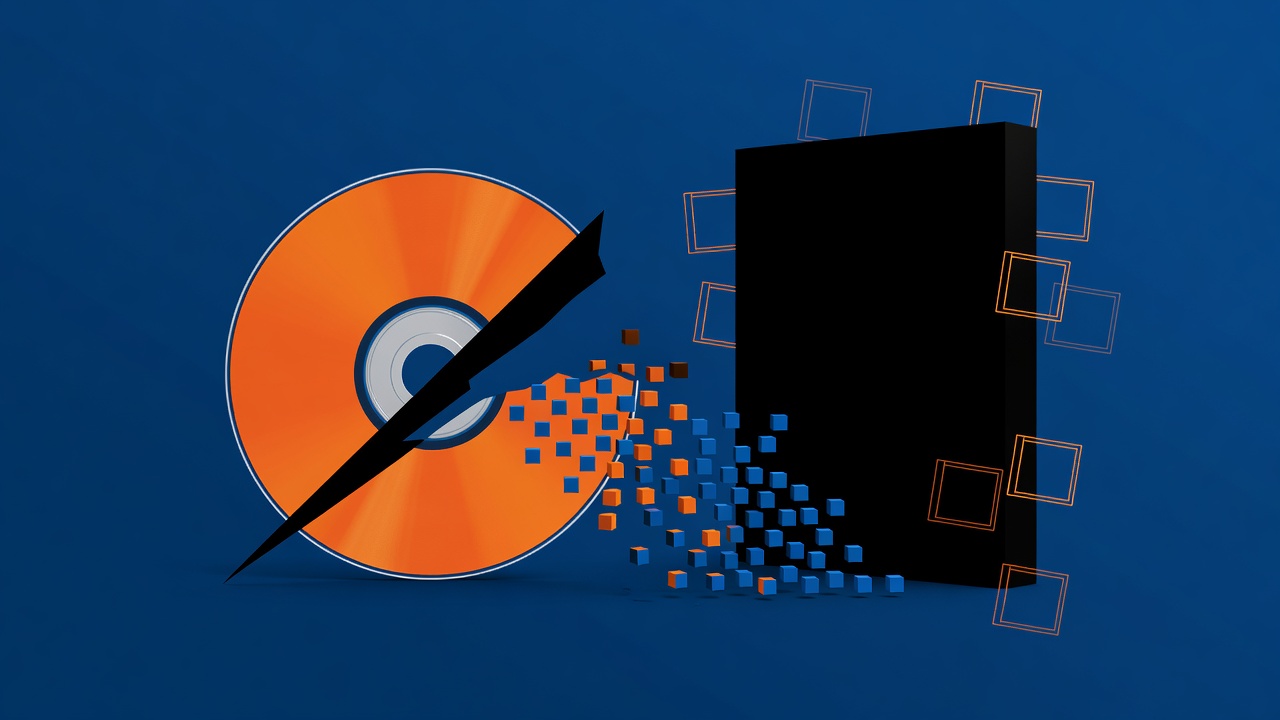
Sony Interactive Entertainment dropped a bombshell on July 1. Physical disc production for all new PlayStation games ends in January 2028. After that date, titles will arrive through the PlayStation Store or as download codes tucked inside retail boxes. No more discs. The announcement, posted directly on the official PlayStation Blog, framed the move as a response to clear market signals. Digital downloads now account for nearly 80% of sales, up from just 13% in 2013.
But the gaming community didn’t see adaptation. It saw erasure. Backlash exploded across social platforms. Hashtags like “No Disc No Buy” flooded X, racking up millions of views within days. Fans didn’t hold back. They called it the final nail in true ownership. A disc works offline. It survives server shutdowns. Digital licenses? They can vanish with a licensing dispute or policy change. Sony itself pulled hundreds of films from users’ libraries recently. That memory lingers.
Ownership lost. That’s the fear. And it’s not abstract. Retailers who built businesses around physical copies reacted with alarm. One specialist store chain told TechRadar it would “not sit idly by.” Secondhand markets, game lending among friends, even simple collection displays face extinction. These aren’t minor conveniences. They form the bedrock of how millions experienced gaming for decades.
Hideo Kojima voiced what many felt. The renowned director expressed sadness at the end of physical media, warning that future generations might lose access to games entirely. His comments, reported in Business Insider, added weight from inside the industry. Developers and publishers stayed largely quiet. Reports suggest Sony kept many in the dark until the public statement landed. That silence only fueled suspicion the decision prioritized margins over community input.
Data backs Sony’s position. Digital sales dominance grew steadily. By fiscal 2025’s fourth quarter, some estimates placed the figure at 85%. The company gains a larger revenue cut from direct digital purchases, around 30% versus publisher splits on physical. Share price rose after the news. Markets liked the efficiency gains and lower manufacturing costs. Yet an IGN poll captured the disconnect. More than 90% of over 13,000 respondents rejected an all-digital future. Petitions circulated. Memes spread. Brands piled on with mockery. Respawn Entertainment joked about selling digital chairs. GitHub offered “CD-ROM” repositories. The ridicule stung because it rang true for so many.
But Sony shows no sign of retreat. Analysts say a U-turn remains improbable. Piers Harding-Rolls of Ampere Analysis told outlets the shift “pretty much guarantees” the PS6 arrives without a disc drive. The next console, expected around late 2028, will embrace digital from day one. This creates fresh headaches. Backwards compatibility with the vast library of PS4 and PS5 physical discs becomes uncertain at best. Will owners need an external drive add-on? Sony hasn’t addressed it. Existing discs will still function in current hardware. That promise stands. Yet the long-term preservation question hangs heavy. What happens when PS5 support fades?
Concerns extend beyond individual collections. Game preservationists point to historical losses. Entire PS3 and Vita storefronts shut down years ago. Libraries tied to those ecosystems effectively disappeared for new users. Physical copies offered permanence. Now that safety net shrinks. The Guardian highlighted how this hits specialist retailers hardest. Their shelves, once stocked with tangible products, risk turning into display space for empty boxes containing codes. The secondhand market, a key affordability pathway for many players, faces similar disruption.
And then there’s Grand Theft Auto VI. The most anticipated title in years now carries extra symbolic weight. Its pre-orders opened without a physical edition option. Rockstar’s blockbuster, predicted to become one of the biggest cultural products ever, will launch fully digital under the new regime if timelines hold. That fact alone amplified the outcry. Gamers who planned to buy the disc for their collection or resale value felt betrayed. One YouTube commenter labeled the entire situation a “catastrophe.” Hyperbole? Perhaps. But the sentiment reflects genuine anxiety over control.
Microsoft appears ready to follow a parallel path. Reports indicate the next Xbox, codenamed Helix, will also skip a disc drive. The industry tilts toward streamlined hardware. Lower production expenses. Higher attach rates for subscriptions and stores. Yet this convergence leaves consumers with fewer choices. Nintendo stands as the last major holdout for physical media. Its upcoming hardware may preserve the option longer. That possibility offers slim comfort to PlayStation loyalists watching their preferred platform abandon a format that defined it.
So what now? Sony insists it will keep innovating access methods. It points to flexibility. Buy at retail or direct. The company thanks fans for support and reaffirms commitment to quality experiences. Those words feel hollow to critics who see a cash grab dressed as progress. Digital convenience delivers real benefits. Instant access. No scratched discs. Reduced plastic waste. But those upsides don’t erase the loss of permanence. They don’t fix regional pricing issues or restore the ability to lend a favorite title.
Recent coverage only intensified the debate. Push Square outlined the massive backwards compatibility questions Sony must answer before PS6 launches. Without clear plans, collectors risk stranding thousands of dollars in obsolete media. Wolf’s Gaming Blog connected the move to Sony’s earlier decision removing over 550 movies and TV shows from libraries due to expiring licenses. The pattern suggests corporate priorities can override consumer expectations at any moment.
Industry voices predict the PS6 base model will launch at a lower price point without the optical drive. That might attract new buyers. It could also alienate the core audience that propelled previous generations. The tension plays out daily on forums and social feeds. “No disc, no buy” appears in post after post. Some users vow to switch to PC entirely. Others plan to stockpile current-gen physical games. A few express resignation. The shift feels inevitable. Consumer habits did change. Broadband improved. Downloads became standard for many. Still, the abruptness and lack of alternatives leave a bitter taste.
Retail reaction carries particular bite. Companies that thrived on physical distribution see their model threatened. One executive described profound disappointment. The phrase captured the mood. Even if digital dominates sales, physical copies often drove initial hype and collector interest. Removing them reduces visibility in stores. It weakens the tangible connection that helped gaming grow from niche hobby to mainstream force.
Analysts remain divided on long-term effects. Some forecast higher profits for Sony through direct distribution. Others warn of brand damage that could linger for years. The share price bump offers one data point. The poll numbers and social volume offer another. History shows companies can absorb criticism when bottom lines improve. Sony bet that pattern holds here. It doubled down on digital trends that already shaped its business. Whether fans follow remains the open question.
One thing feels certain. The conversation won’t fade quickly. Discussions about game ownership, preservation, and corporate power over entertainment have moved to center stage. Sony’s choice forced them there. As development on the PS6 accelerates behind closed doors, executives face pressure to address the voids this decision created. Backwards compatibility plans. Support for current physical libraries. Potential add-on hardware. Transparency on those fronts could ease some tension. Silence will only deepen distrust.
The era of slipping a disc into a console and knowing the game belongs to you forever draws to a close on PlayStation. That reality hits different for those who grew up trading cartridges or building shelves of jewel cases. Convenience arrives. Control recedes. The industry hurtles forward regardless. Players will adapt or look elsewhere. But the anger, the memes, the petitions. They signal this change carries more weight than a simple format update. It marks a philosophical break in how we define ownership in digital times.


 WebProNews is an iEntry Publication