
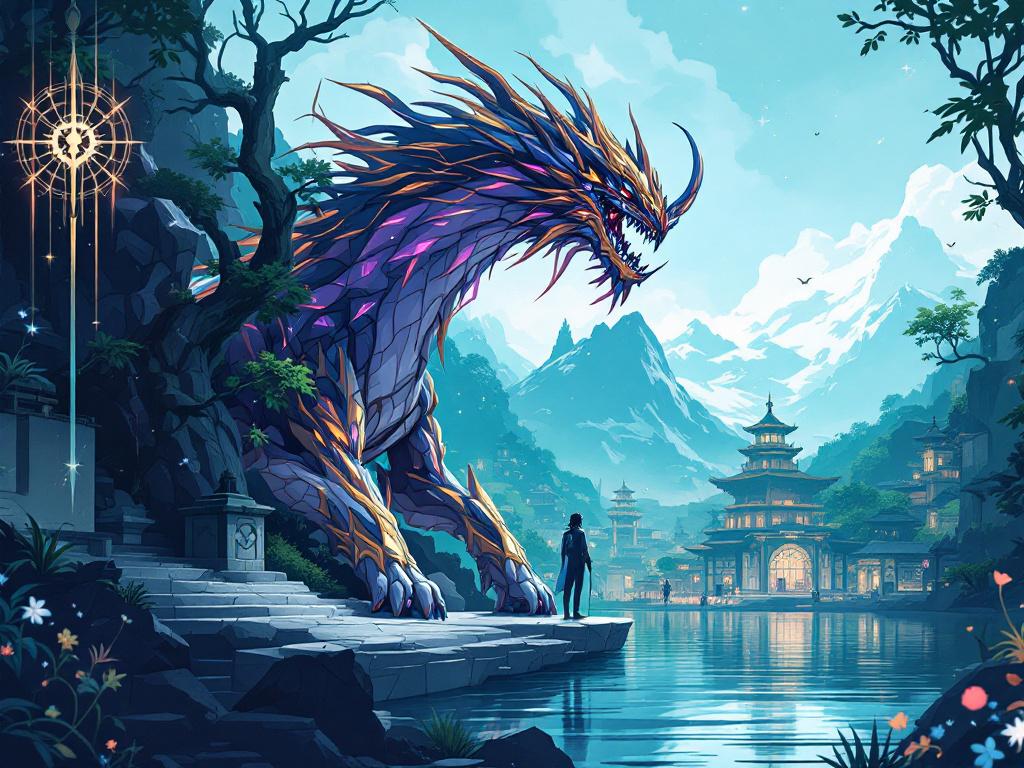
The Clash of Gaming Titans: Sony’s Horizon vs. Tencent’s Alleged Clone
In the high-stakes world of video game development, where intellectual property is as valuable as the latest console hardware, a legal showdown between two industry behemoths has captured the attention of developers, executives, and players alike. Sony Interactive Entertainment has accused Chinese tech giant Tencent of blatantly copying its acclaimed “Horizon” franchise with a new title called “Light of Motiram.” The dispute escalated recently when Tencent agreed to halt all promotion and public testing of the game amid ongoing litigation, a move that underscores the growing tensions over originality in an era of rapid game cloning and global competition.
The lawsuit, filed in California federal court in July 2025, claims that “Light of Motiram” is a “slavish clone” of Sony’s “Horizon Zero Dawn” and its sequel “Horizon Forbidden West.” Sony alleges copyright and trademark infringement, pointing to striking similarities in character design, gameplay mechanics, and visual elements. For instance, the protagonist in Tencent’s game bears an uncanny resemblance to Aloy, the bow-wielding heroine of the Horizon series, complete with red hair, tribal attire, and a narrative involving mechanical beasts in a post-apocalyptic setting. This isn’t just about aesthetics; Sony argues that Tencent has lifted core concepts that define the franchise’s identity.
Court documents reveal a backstory that adds intrigue to the case. According to filings, Tencent approached Sony years ago with a proposal to collaborate on a Horizon-themed multiplayer game, which Sony rejected. Undeterred, Tencent proceeded to develop “Light of Motiram,” incorporating elements like robotic dinosaurs, base-building, and cooperative combat that mirror Horizon’s hallmarks. Industry observers note that while inspiration is common in gaming, this case tests the boundaries of what constitutes infringement versus homage.
Origins of the Dispute
The Horizon series, launched in 2017 with “Horizon Zero Dawn,” revolutionized open-world adventure games by blending sci-fi lore with primitive technology. Developed by Guerrilla Games under Sony, it has sold over 20 million copies, spawning sequels, spin-offs, and even a Netflix adaptation in the works. Tencent, a powerhouse with investments in Riot Games and Epic Games, entered the fray with “Light of Motiram,” announced in late 2024. Early trailers showcased gameplay that many critics immediately flagged as derivative, prompting online backlash and memes about “Horizon with a Chinese twist.”
Sony’s complaint, as detailed in a Reuters report, accuses Tencent of “ripping off” the series to capitalize on its popularity without the costs of original development. Reuters highlighted how Sony seeks millions in damages and a permanent injunction to prevent the game’s release. Tencent, in its defense, filed a motion to dismiss, arguing that Horizon’s elements—such as fighting mechanical creatures—are “ubiquitous genre ingredients” found in countless titles, from “Monster Hunter” to “The Legend of Zelda.”
Posts on X (formerly Twitter) reflect the gaming community’s divided sentiment. Some users praise Sony for protecting its IP, while others accuse it of gatekeeping common tropes. One influential post from a gaming insider noted that Tencent’s pitch to Sony was rejected because Sony was already expanding the franchise internally, adding a layer of corporate intrigue to the narrative.
Tencent’s Tactical Retreat
In a significant development reported just days ago, Tencent has agreed to pause all promotional activities and public beta tests for “Light of Motiram” as the lawsuit progresses. This stipulation, outlined in an Engadget article, stems from a joint agreement with Sony to avoid further market confusion while the case heads to a key hearing in early 2026. Engadget described it as a temporary ceasefire, but one that could signal weakness in Tencent’s position or a strategic move to mitigate damages.
The agreement doesn’t mean Tencent is conceding defeat. In a September court filing covered by Polygon, Tencent dismissed Sony’s claims as an attempt to monopolize broad concepts. Polygon quoted Tencent’s lawyers arguing that Aloy isn’t central to Sony’s brand and that similarities are superficial. Sony fired back in October, calling Tencent’s response “nonsense” and pushing for an injunction, as reported in various outlets including Deadline, which framed the battle as a “legal role-playing event.” Deadline emphasized the potential for this to become a landmark case in gaming IP law.
This pause in promotion comes at a critical time for Tencent, which has been aggressively expanding its gaming portfolio amid China’s regulatory crackdowns on tech firms. “Light of Motiram” was positioned as a free-to-play multiplayer title with microtransactions, aiming to tap into the lucrative Asian market where Horizon has a strong following. By halting tests, Tencent avoids generating more hype that could be used against it in court, but it also delays potential revenue.
Broader Implications for Game Development
The case highlights the challenges of enforcing IP in an industry where ideas spread quickly through shared engines like Unreal and Unity. Legal experts point out that while direct copies of assets are clear violations, proving infringement on mechanics is trickier. A Reddit thread on r/videogames, with over 9,000 upvotes, debated the similarities, with users noting it’s “bar for bar” identical in some scenes. Reddit discussions underscore how fan perceptions can influence public opinion, even if not admissible in court.
Sony’s aggressive stance isn’t isolated. The company has a history of protecting its franchises, as seen in past disputes over “God of War” imitations. For Tencent, this lawsuit is part of a pattern of Western firms challenging Chinese developers, echoing cases like Epic Games’ battles with clones of Fortnite. Eurogamer reported on the irony of “Light of Motiram” gaining publicity through the lawsuit itself. Eurogamer noted that the halt in promotion paradoxically keeps the game in headlines.
Industry insiders speculate on the financial stakes. Horizon generates billions for Sony through sales, merchandise, and licensing. If Tencent’s game launches, it could dilute that brand, especially in emerging markets. Analysts from GamesIndustry.biz estimate the lawsuit could cost Tencent dearly if lost, potentially forcing redesigns or cancellations. GamesIndustry.biz detailed how the January 2026 hearing will focus on preliminary injunctions, setting the stage for a prolonged battle.
Legal Strategies and Precedents
Diving deeper into the legal maneuvers, Sony’s filings emphasize “trade dress” infringement, arguing that the overall look and feel of “Light of Motiram” confuses consumers. This tactic draws from precedents like the 2012 case where Tetris Holding sued over a mobile clone, resulting in a win for the original creators. Tencent counters by citing games like “Ark: Survival Evolved,” which feature similar dinosaur-taming mechanics without facing lawsuits.
Recent news from Wccftech indicates that both parties are preparing expert witnesses on game design. Wccftech reported on the agreement’s details, including no admissions of guilt from Tencent, framing it as a procedural step. On X, posts from tech analysts like @Zuby_Tech have dissected Tencent’s defense, quoting their argument against Sony’s “startling” claims.
The international dimension adds complexity. Tencent, based in Shenzhen, operates under Chinese IP laws that are less stringent on derivatives, but the U.S. court venue favors Sony. TechNode covered how this could strain U.S.-China tech relations in gaming. TechNode noted the suspension’s impact on Tencent’s stock, which dipped slightly amid the news.
Potential Outcomes and Industry Shifts
As the case builds toward 2026, possible resolutions include a settlement where Tencent modifies the game—perhaps altering character designs or removing mech elements—or a full dismissal if the court deems the similarities generic. IGN’s initial coverage of the accusations in 2024 set the stage, warning of a “rip-off” that could flood the market with clones. IGN highlighted early fan outcry, which amplified through social media.
For developers, this dispute serves as a cautionary tale. Smaller studios watching from the sidelines may rethink borrowing from big titles, opting for more original concepts to avoid litigation. Larger firms like Tencent might accelerate investments in proprietary tech to differentiate their offerings.
The gaming sector’s rapid evolution, driven by AI-assisted design and global collaborations, makes such conflicts inevitable. Sony’s push could lead to clearer guidelines on what constitutes protectable IP, benefiting creators worldwide. Meanwhile, players await whether “Light of Motiram” will ever see the light of day, or if it becomes another footnote in the annals of abandoned projects.
Echoes in the Gaming Ecosystem
Beyond the courtroom, this saga reflects broader trends in content creation. With the rise of user-generated mods and AI tools that can replicate art styles, distinguishing original work grows harder. Posts on X from users like Shinobi602 have pointed to court documents revealing Tencent’s rejected pitch, fueling debates on corporate ethics.
Industry events like Gamescom and Tokyo Game Show have buzzed with whispers about the case, with executives from rival firms like Microsoft and Nintendo monitoring closely. If Sony prevails, it could embolden more lawsuits, reshaping how games are conceived and marketed.
Ultimately, this battle between Sony and Tencent isn’t just about one game—it’s a fight for the soul of innovation in an industry worth hundreds of billions. As the hearing approaches, all eyes are on California, where the outcome could redefine boundaries for years to come.


 WebProNews is an iEntry Publication