
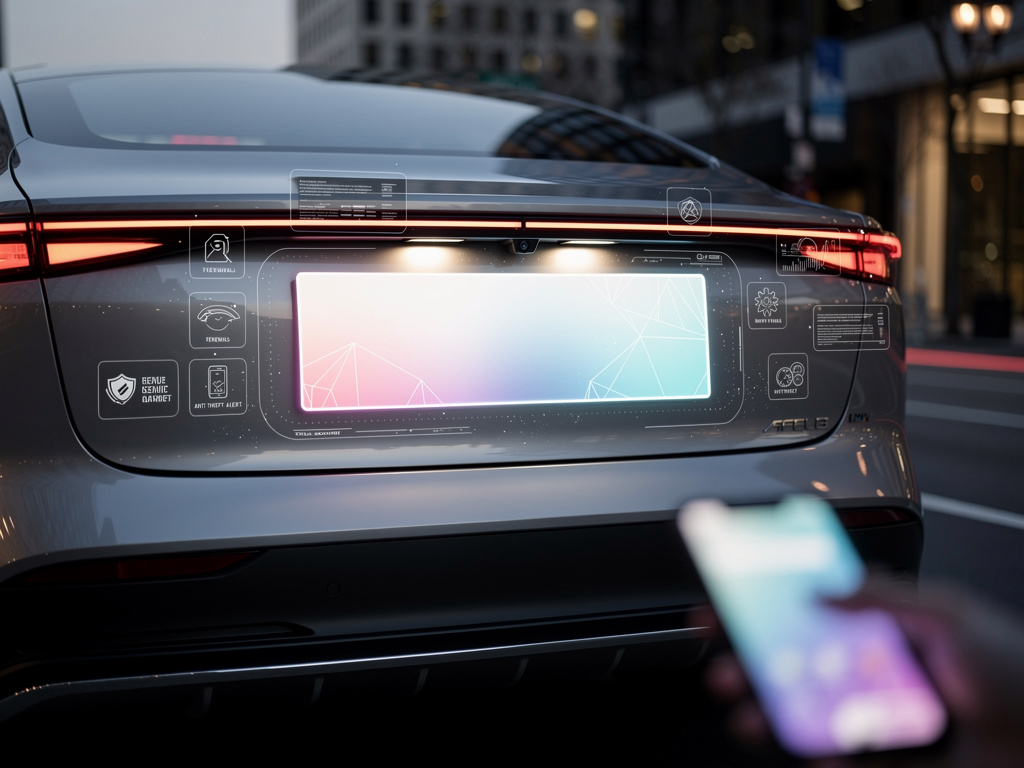
Plates Reimagined: How Sony’s Afeela EV is Turning License Tags into Digital Canvases
In the fast-evolving world of electric vehicles, Sony Honda Mobility is pushing boundaries with its upcoming Afeela sedan, set to introduce a feature that could redefine automotive personalization: digital license plates. This innovation, announced recently, allows drivers to customize their vehicle’s rear plate via a smartphone app, blending technology with everyday driving in ways previously unimaginable. Partnering with Reviver, a company specializing in connected vehicle platforms, the Afeela aims to make the humble license plate a dynamic element of the car ownership experience.
The Afeela, a joint venture between tech giant Sony and automotive powerhouse Honda, has been generating buzz since its prototype unveilings at consumer electronics shows. Now, with pre-production underway in Ohio and sales slated for North America in 2026, the vehicle is positioning itself as more than just an EV—it’s a connected ecosystem on wheels. The digital license plate, powered by Reviver’s RPlate technology, represents a leap from static metal tags to high-definition displays that can switch designs, display messages, and even handle renewals seamlessly.
According to details shared in a recent partnership announcement, the RPlate integrates with the Afeela’s suite of over 40 sensors and cameras, enhancing the car’s overall smart capabilities. This isn’t merely about aesthetics; it’s about integrating license plates into the broader digital framework of modern vehicles. Owners can alter the plate’s background between black and white, add custom text like social media handles or personal slogans, all while ensuring the official registration number remains prominently displayed.
Elevating Personalization in Electric Mobility
The push for digital plates comes at a time when electric vehicles are increasingly seen as extensions of personal tech ecosystems. Sony Honda Mobility’s president and CEO, Shugo Yamaguchi, emphasized in a statement that this collaboration reflects a commitment to “seamlessly integrating smart, connected technologies into every part of the Afeela experience.” By offering the RPlate as an optional accessory, the company is targeting tech-savvy consumers who view their cars as customizable gadgets.
Reviver’s platform isn’t new to the market, but its adoption by a major automaker like Sony Honda marks a significant milestone. The technology promises not just vanity features but practical benefits, such as instant registration renewals without trips to the DMV. In states where digital plates are legal—currently including California, Arizona, and Michigan—the system complies with local regulations, displaying required information in a tamper-proof manner. This ensures that while users can get creative, they stay within legal bounds.
Industry observers note that this could set a precedent for other manufacturers. Posts on X, formerly Twitter, from automotive enthusiasts highlight excitement around the Afeela’s features, with users praising the integration of entertainment systems like PlayStation compatibility alongside such innovations. One prominent post from a tech influencer described the Afeela as a “rolling entertainment hub,” underscoring how digital plates fit into this narrative of convergence between automotive and consumer electronics.
Technical Underpinnings and Regulatory Hurdles
Diving deeper into the tech, the RPlate is essentially an e-ink style display mounted on the vehicle’s rear, weatherproof and durable enough for road conditions. It connects wirelessly to a mobile app, allowing real-time updates. As reported by TechRadar, users might add Instagram handles or catchphrases, though restrictions on profanity and content are likely to apply based on state laws. The display maintains visibility in various lighting conditions, ensuring it functions as a standard plate for law enforcement.
However, not all states have embraced digital plates yet. Many U.S. jurisdictions still mandate traditional metal plates, creating a patchwork of regulations that Sony Honda must navigate. The partnership with Reviver includes built-in compliance features, such as automatic mode switches to display only essential info during inspections or in restricted areas. This addresses potential concerns from regulators wary of distractions or security vulnerabilities.
From a security standpoint, the system incorporates anti-theft measures. If the vehicle is stolen, the plate can display alerts like “Stolen” to aid recovery, a feature highlighted in coverage from Carscoops. This adds a layer of functionality that traditional plates lack, potentially reducing vehicle theft rates and appealing to insurers.
Market Impact and Consumer Appeal
Priced as an optional add-on—rumored around $899 based on similar Reviver products—the digital plate could become a must-have for Afeela buyers, who are already investing in a premium EV starting at $89,900 for the base trim. The higher-end model at $102,900 includes advanced semi-autonomous driving aids, making the plate a complementary feature in a vehicle loaded with LiDAR, radars, and ultrasonic sensors.
Consumer sentiment, as gleaned from recent X posts, shows a mix of enthusiasm and curiosity. Influencers and tech accounts have shared images and videos from Afeela prototypes, with one post from Sony Electronics touting the car’s ability to connect to PS5 and feature customizable themes. This buzz suggests digital plates could drive early adoption, positioning the Afeela as a leader in vehicle personalization.
Moreover, this innovation ties into broader trends in electric mobility, where software updates and over-the-air enhancements are becoming standard. As Mashable detailed in its coverage, the Afeela’s digital plate allows for “unprecedented vanity plate shenanigans,” potentially changing how drivers express themselves on the road. Yet, it also raises questions about privacy, as connected devices could track location data, though Reviver assures users of robust data protection protocols.
Innovation’s Ripple Effects on Automotive Design
Looking beyond the plate itself, Sony Honda’s approach exemplifies how joint ventures between tech and auto firms are reshaping vehicle design. The Afeela’s audio system, revealed in recent updates, positions the car as an “ultimate listening room,” with speakers integrated from the design’s outset. This holistic integration extends to the digital plate, making it part of a seamless user interface that includes large onboard screens for navigation, entertainment, and now, plate customization.
Competitors are watching closely. While companies like Tesla have pioneered software-driven features, none have yet ventured into digital license plates at scale. If successful, this could prompt rivals to explore similar partnerships, expanding the availability of such tech across more models and regions.
Environmental considerations also play a role. Digital plates reduce the need for physical manufacturing and replacement of metal tags, aligning with the sustainability ethos of EVs. As global markets push for greener transportation, features like this could enhance the appeal of vehicles like the Afeela, which boasts efficient electric powertrains and minimal waste in its accessory ecosystem.
Challenges Ahead and Future Prospects
Despite the promise, challenges remain. Adoption hinges on regulatory approval in more states and internationally. Current limitations mean Afeela owners in non-participating areas might need to stick with traditional plates, potentially diminishing the feature’s allure. Additionally, the cost could deter some buyers, though for the target demographic of affluent tech enthusiasts, it’s likely a worthwhile splurge.
Industry analysts predict that as digital infrastructure improves, features like these will become commonplace. A report from Sony Honda Mobility’s official site quotes Reviver’s leadership on the collaboration, noting it brings “new levels of personalization” and hints at future innovations. This suggests ongoing developments, perhaps integrating augmented reality or AI-driven customizations.
In the broader context, the Afeela’s digital plate could influence how we think about vehicle identity. No longer just a regulatory necessity, the license plate becomes a canvas for self-expression, much like a smartphone case or social media profile. As Sony Honda rolls out this technology, it may well spark a wave of similar advancements, blurring the lines between automotive hardware and digital software even further.
Voices from the Industry and User Perspectives
Feedback from early previews, including hands-on sessions at events like CES, indicates strong interest. Publications like FindArticles describe the plate as transforming “the most old-school part of a car into software,” a sentiment echoed in X discussions where users speculate on creative uses, from promoting businesses to displaying temporary messages.
Critics, however, point to potential downsides, such as hacking risks or over-reliance on connectivity. Ensuring the system’s reliability in areas with poor signal strength will be crucial. Sony Honda addresses this with offline modes that default to standard display, mitigating some concerns.
Ultimately, the Afeela’s foray into digital plates underscores a shift toward more interactive, personalized driving experiences. As the vehicle hits the market next year, it will test whether consumers are ready to embrace this level of customization, potentially setting new standards for the industry.
Strategic Partnerships Driving Change
The collaboration with Reviver isn’t isolated; it’s part of Sony Honda’s strategy to embed cutting-edge tech throughout the Afeela. From immersive audio systems detailed in CEoutlook to autonomous driving capabilities, the vehicle is designed for a connected future. This partnership model could inspire other automakers to team up with tech specialists, accelerating innovation.
On X, posts from accounts like Autoblog highlight additional features like built-in theft alerts, amplifying the plate’s utility. Such integrations make the Afeela not just a car, but a smart device that enhances safety and convenience.
As we look ahead, the success of digital plates in the Afeela could pave the way for widespread adoption, influencing everything from fleet management to personal vehicles. With Sony’s entertainment prowess and Honda’s engineering expertise, this EV is poised to lead the charge in redefining what a license plate can be.


 WebProNews is an iEntry Publication