
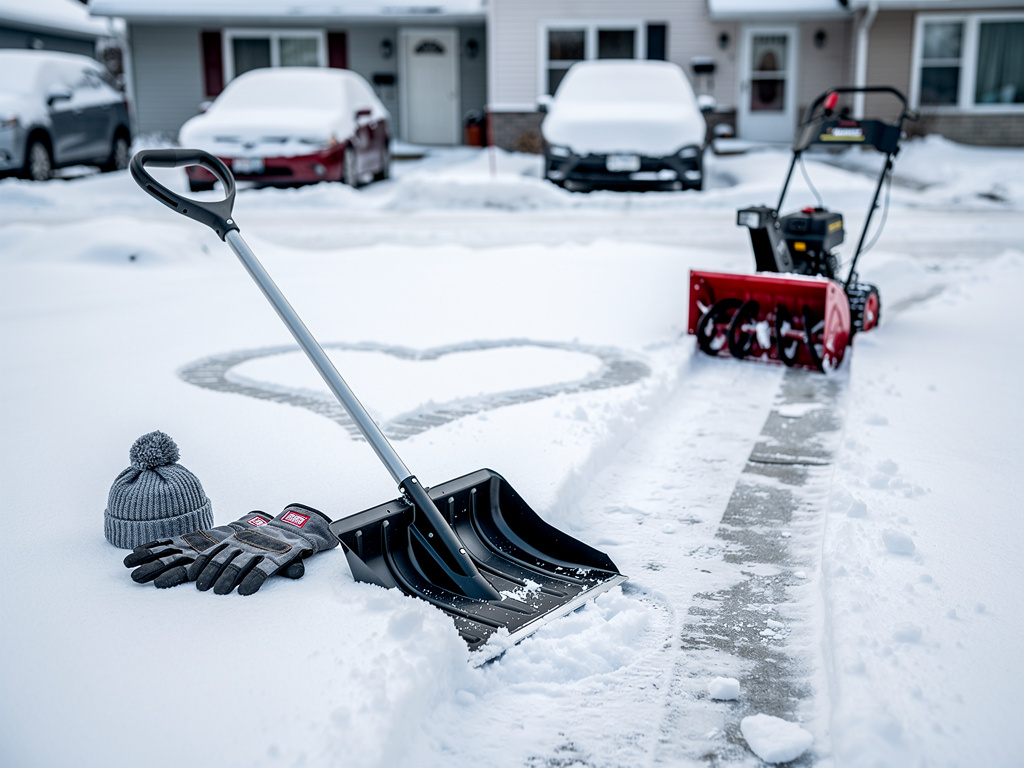
The Hidden Perils of Winter’s White Blanket: Safeguarding Your Heart While Clearing Snow
As winter storms blanket much of the northern hemisphere with heavy snowfall, millions of people grab their shovels to clear driveways and sidewalks. But this seemingly routine chore carries significant cardiovascular risks, particularly for those over a certain age or with underlying health conditions. Recent data from health organizations highlights a spike in heart-related emergencies during snow events, underscoring the need for awareness and precaution. Drawing from expert insights and medical research, this exploration delves into the physiological dangers, preventive strategies, and emerging trends in winter safety protocols.
The act of shoveling snow combines intense physical exertion with exposure to freezing temperatures, creating a potent mix that can strain the heart. Cold air causes blood vessels to constrict, increasing blood pressure, while the laborious task demands sudden bursts of energy akin to heavy weightlifting. According to a report from the American Heart Association, this combination forms a “perfect storm” of heart health hazards, potentially leading to arrhythmias, heart attacks, or even sudden cardiac arrest.
Studies show that the risk isn’t hypothetical; it’s statistically evident. For instance, emergency room visits for heart issues surge after major snowfalls, with older adults and those with preexisting conditions being most vulnerable. One analysis indicates that men over 55 face a heightened danger, as the isometric strain of pushing and lifting snow can elevate heart rates dramatically without adequate warm-up.
Understanding the Physiological Toll
Beyond the immediate strain, shoveling often involves static holding of breath, which further spikes blood pressure. This Valsalva maneuver, common in heavy lifting, reduces blood flow to the heart momentarily, compounding risks in cold weather. Experts from Harvard Health note that for individuals with coronary artery disease, this can trigger plaque rupture, leading to blockages.
Moreover, the type of snow matters. Heavy, wet accumulations—dubbed “heart attack snow” in some circles—require more force to move, amplifying the exertion. A piece from The Weather Channel explains how this denser precipitation, often resulting from warmer storm systems, weighs significantly more per shovelful, turning a simple task into a grueling workout.
Demographic factors play a crucial role too. While age is a key indicator, fitness level is equally important. Sedentary individuals, regardless of age, are at greater peril than those who maintain regular exercise routines. Research cited in AARP suggests that even fit older adults should proceed cautiously, but the truly at-risk group includes those unaccustomed to physical labor.
Risk Factors and Warning Signs
Identifying personal risk is the first step in prevention. Conditions like hypertension, diabetes, high cholesterol, and a history of smoking elevate susceptibility. The Stony Brook Medicine guidelines emphasize consulting a physician before engaging in such activities if you have any cardiac history.
Warning signs during shoveling shouldn’t be ignored: chest pain, shortness of breath, dizziness, or excessive fatigue signal the need to stop immediately and seek medical help. Posts on X (formerly Twitter) from health enthusiasts and medical professionals often share real-time anecdotes of near-misses, highlighting how quickly symptoms can escalate in subzero conditions.
Furthermore, environmental elements exacerbate dangers. Wind chill can drop effective temperatures, prompting the body to work harder to maintain core warmth, which diverts energy from the heart. Recent news from PhillyVoice reports on local cardiologists advising against shoveling in extreme cold snaps, especially post-storm when fatigue from disrupted sleep adds another layer of vulnerability.
Proven Prevention Strategies
To mitigate these risks, preparation is key. Start with a proper warm-up: light stretching or a brief walk to increase blood flow before tackling the snow. The Reliant Medical Group debunks myths by affirming that yes, shoveling can indeed cause heart attacks, but proper techniques reduce odds.
Use ergonomic tools—a shovel with a curved handle minimizes bending, and pushing snow instead of lifting it eases strain. Take frequent breaks, ideally every 10-15 minutes, to monitor your body’s response. Hydration remains crucial; dehydration in cold weather is common and thickens blood, heightening clot risks.
Dress in layers to avoid overheating, which can lead to sudden chills when stopping. Insights from Barnstable County echo American Heart Association recommendations, stressing the importance of avoiding caffeine or nicotine beforehand, as they constrict vessels further.
Technological and Community Aids
Innovations in snow removal are transforming how we approach this chore. Electric snow blowers and battery-powered shovels reduce physical demands, making them ideal for high-risk individuals. A detailed review in Lifehacker outlines how choosing the right equipment, combined with smart pacing, can prevent cardiac events.
Community programs are also stepping up. In regions prone to heavy snow, neighborhood associations organize youth-led shoveling services for elderly residents, as noted in recent X posts discussing winter safety initiatives. These efforts not only distribute the workload but foster social connections that encourage health monitoring.
On the policy front, public health campaigns are gaining traction. Municipalities in snowy states are promoting awareness through apps that alert users to high-risk weather, integrating data from sources like The Weather Channel to predict storm impacts on public health.
Age Considerations and Expert Advice
A burning question in recent discourse is: At what age should one retire the shovel? Articles from USA Today suggest that by 45-50, especially for those with risk factors, alternatives should be considered. However, cardiologists emphasize personalization—regular exercisers might safely continue into their 60s.
For those insistent on shoveling, experts like those at WEAU recommend starting small: clear a path rather than the entire area at once. Pairing with a partner allows for mutual oversight, ensuring prompt response to any distress signals.
Emerging research is exploring genetic predispositions to cold-induced cardiac stress. While not yet mainstream, this could lead to tailored advice, much like personalized medicine in other fields.
Lifestyle Integration for Long-Term Health
Preventing snow-related heart issues extends beyond the season. Building year-round cardiovascular fitness through activities like walking or swimming prepares the body for winter demands. Nutrition plays a role too; diets rich in omega-3s and low in saturated fats support heart resilience, as per Harvard Health guidelines.
Mental preparation is undervalued. Stress from impending storms can elevate cortisol, compounding physical risks. Mindfulness techniques, shared in online forums and X discussions, help maintain calm during laborious tasks.
Looking ahead, climate patterns suggest more intense, sporadic snow events due to warming trends, potentially increasing these incidents. Public health strategies must adapt, perhaps incorporating AI-driven risk assessments for individuals.
Case Studies and Real-World Lessons
Real-life stories drive home the message. In one instance detailed by Good Housekeeping, a seemingly healthy 55-year-old suffered a heart attack mid-shovel, revealing undiagnosed artery blockage. Such anecdotes, amplified on social media, spur greater caution.
Another example from UCLA Health, as reported in their recent article, involves a 65-year-old who enjoyed shoveling but switched to a blower after family concerns, avoiding potential disaster.
These narratives underscore that while shoveling can be invigorating, the line between exercise and endangerment is thin. Medical professionals advocate for erring on the side of caution, especially with advancing age.
Advancing Research and Future Directions
Ongoing studies are quantifying exact risks. For example, biomechanical analyses measure the force exerted per shovelful, correlating it with heart rate spikes. Collaborations between meteorologists and cardiologists, as seen in The Weather Channel features, aim to forecast not just weather but health impacts.
Wearable tech is a game-changer. Devices monitoring heart rate and alerting to irregularities during activity could prevent tragedies. X users frequently post about using fitness trackers for safe shoveling, blending technology with traditional tasks.
Ultimately, education remains paramount. By disseminating knowledge from sources like the American Heart Association and integrating it with personal health data, individuals can navigate winter safely.
Broadening the Safety Net
Extending beyond individuals, workplace policies in snowy areas are evolving. Companies provide snow removal services for employees, recognizing productivity losses from health scares. This corporate responsibility, highlighted in recent news, reflects a societal shift toward preventive care.
For families, discussing winter chores openly ensures vulnerable members aren’t overlooked. Children’s involvement, supervised, teaches responsibility while protecting elders.
In essence, while snow shoveling’s risks are real, informed approaches transform a hazard into a manageable activity, preserving both health and the joys of winter.


 WebProNews is an iEntry Publication