
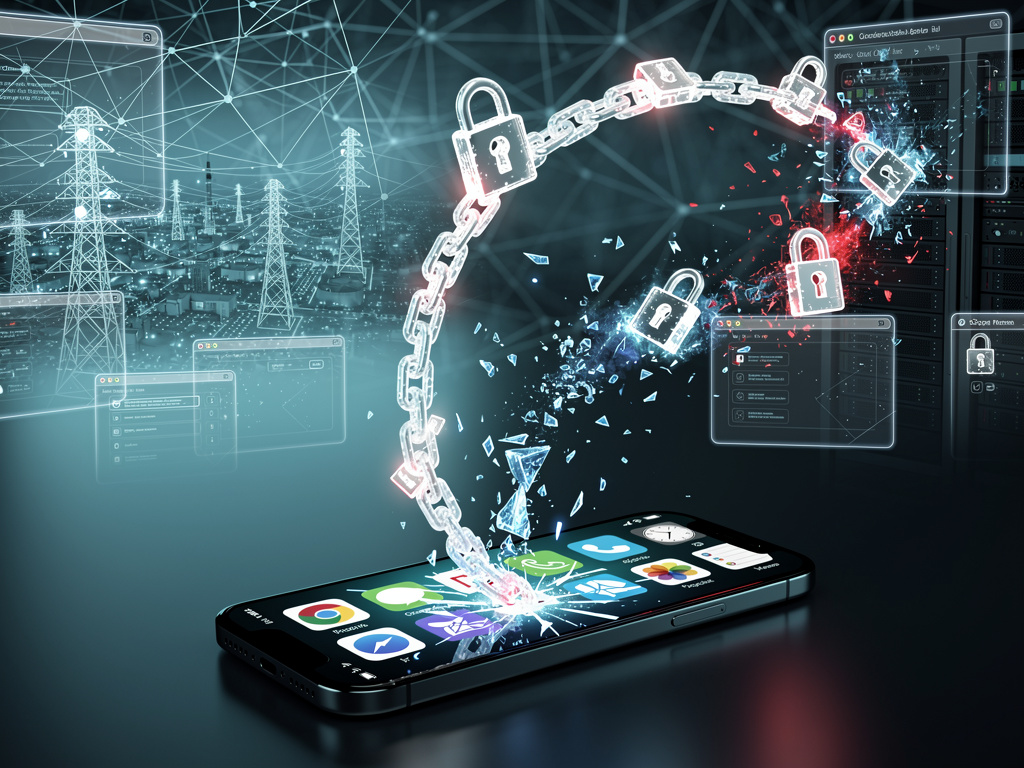
The Fragile Thread of SMS Authentication: Exposing the Cyber Chinks in Magic Link Security
In an era where digital access hinges on seamless yet secure methods, the humble SMS sign-in link—often dubbed a “magic link”—has become a staple for user authentication. These links, sent via text message to verify identity and grant access to accounts, promise convenience without the hassle of passwords. But recent revelations highlight a glaring vulnerability: these links can inadvertently expose sensitive user data, putting millions at risk. A deep investigation by Ars Technica uncovers how more than 175 major service providers, including household names in finance, social media, and e-commerce, are susceptible to attacks that exploit these links.
The mechanics are deceptively simple. When a user requests access, the service generates a unique URL embedded with authentication tokens or session identifiers, then texts it to the registered phone number. Clicking the link logs the user in automatically. However, as security researchers have demonstrated, these URLs often contain unencrypted parameters that reveal personal details like email addresses, account IDs, or even partial passwords. Attackers with access to the SMS network can intercept these messages, parse the links, and harvest data without ever clicking them.
This isn’t just theoretical. Real-world exploits have surged, with cybercriminals leveraging weaknesses in telecom protocols like SS7 and Diameter to eavesdrop on SMS traffic. According to a report from P1 Security, such attacks enable fraud, phishing, and surveillance on a massive scale, affecting networks worldwide. The persistence of these flaws in 2026 underscores a broader reluctance among providers to abandon SMS for more robust alternatives.
Unmasking the Vulnerabilities in Everyday Authentication
The core issue lies in the design of these magic links. Unlike one-time passcodes (OTPs), which are numeric and short-lived, sign-in links are full URLs that must be clickable and functional across devices. This necessitates including query parameters that the server uses to validate the session. But when these parameters leak sensitive info, the entire system crumbles. For instance, researchers found that links from popular banking apps exposed user emails, allowing attackers to build profiles for targeted phishing campaigns.
Compounding the problem is the inherent insecurity of SMS itself. As noted in a 2024 analysis by EPIC, SMS lacks end-to-end encryption, making it vulnerable to interception by rogue telecom employees, nation-state actors, or hackers exploiting signaling protocols. In 2025 alone, over 21,500 critical vulnerabilities were disclosed, many tied to mobile ecosystems, per Cybersecurity News. These include spikes in adware like Triada and MobiDash, which can silently forward SMS to attackers, as detailed in a Malwarebytes threat research.
Public sentiment on platforms like X reflects growing alarm. Users and experts alike decry the reliance on SMS for high-stakes access, with posts highlighting SIM swap attacks—where fraudsters hijack phone numbers to receive authentication messages. One influential thread warns of the false sense of security, echoing cases where financial institutions use SMS as the sole factor for logins, turning it into a single point of failure.
Telecom Weaknesses Fueling a Global Threat
Diving deeper, the telecom infrastructure underpinning SMS is riddled with outdated protocols. SS7, dating back to the 1970s, allows unauthorized access to message routing, enabling global surveillance. Modern upgrades like Diameter in LTE networks haven’t fully mitigated these risks; instead, they’ve introduced new vectors for diameter-based attacks. P1 Security’s blog emphasizes how these flaws facilitate not just data theft but also denial-of-service disruptions, crippling mobile networks during peak times.
Recent incidents amplify the urgency. In early 2026, active exploitation of a critical flaw in legacy D-Link DSL routers allowed unauthenticated command execution and DNS hijacking, as reported by The Hacker News. While not directly tied to SMS, this vulnerability intersects with mobile threats by compromising home networks where users receive sign-in links. Similarly, Microsoft’s January 2026 Patch Tuesday addressed 114 Windows flaws, including an actively exploited Desktop Window Manager bug added to CISA’s Known Exploited Vulnerabilities list, per another The Hacker News update.
On X, cybersecurity professionals share anecdotes of breaches stemming from SMS vulnerabilities. Posts from industry veterans recount how SIM swaps have drained crypto wallets and compromised social media accounts, with one noting a resurgence in such attacks amid the crypto boom. This user-generated buzz underscores a disconnect: while tech giants push for passwordless futures, the backend remains anchored in insecure channels.
Case Studies: Breaches That Shook the Industry
Consider the fallout from high-profile breaches. In late 2025, a wave of Android adware infections led to unauthorized SMS forwarding, exposing sign-in links for banking apps. Malwarebytes documented how families like Triada embedded themselves in devices, turning phones into surveillance tools. Victims reported account takeovers, with losses in the millions, highlighting the human cost of these flaws.
Another stark example involves commercial spyware targeting messaging apps. A November 2025 alert from Cyber Security News on X (referencing CISA warnings) detailed hackers deploying malware via WhatsApp and Signal, often starting with intercepted SMS links. These attacks exploit the trust users place in text-based authentication, bypassing even end-to-end encrypted apps by hijacking the initial login process.
Financial sectors are particularly hard-hit. Ars Technica’s investigation revealed that over 50 banking services use vulnerable magic links, leaking data that enables social engineering. Echoing this, older analyses like Lesley Carhart’s 2020 X post warn of SMS becoming de facto single-factor authentication in finance, a practice that persists despite known risks.
Regulatory Responses and Industry Pushback
Governments are stepping in, but progress is slow. The FBI has urged users to adopt apps with responsibly managed encryption and phishing-resistant MFA, as seen in X posts from security advocates. In South Africa and other regions, SMS phone-verified account threats have prompted regulatory scrutiny, with Trend Micro outlining mitigation strategies like network hardening.
Yet, industry resistance stems from cost and user friction. Transitioning to alternatives like authenticator apps or hardware keys requires infrastructure overhauls. Cisco’s recent patches for Identity Services Engine vulnerabilities, including CVE-2026-20029, show proactive steps, but as The Hacker News notes, public proof-of-concept exploits accelerate threats before fixes roll out.
X discussions reveal frustration among insiders. Posts criticize the complacency, with one user lamenting that “even worse than 2FA is the idea that people actually think it makes them safer,” pointing to phishing as the real culprit exacerbated by SMS reliance.
Emerging Alternatives and Future Safeguards
Shifting away from SMS demands innovation. Passwordless systems using biometrics or WebAuthn standards offer promise, but adoption lags. Apple’s iOS updates, like the critical fix for Safari and WebKit flaws in January 2026, protect against related mobile attacks, as covered by Fox News. These patches address vulnerabilities that could chain with SMS exploits to compromise devices.
Experts advocate for layered defenses: combining magic links with device-bound sessions or short-lived tokens. Telecom operators must enhance protocols, perhaps integrating quantum-resistant encryption to counter evolving threats. P1 Security recommends operator-level defenses like anomaly detection in signaling traffic.
User education plays a pivotal role. X threads emphasize avoiding SMS for sensitive accounts, pushing for app-based MFA. As one post from a crypto influencer explains, SIM swaps transfer control of your number, granting access to linked services—a risk magnified by magic links.
The Human Element in Cyber Defense
Beyond tech, the human factor looms large. Many users, unaware of risks, click links without verifying senders, falling prey to smishing (SMS phishing). Training programs, as suggested in EPIC’s report, could mitigate this, teaching recognition of suspicious messages.
Corporate accountability is key. Service providers must audit link structures, redacting sensitive data from URLs. Ars Technica’s findings spurred some to act; for example, after the report, several firms announced shifts to encrypted alternatives.
Looking ahead, the convergence of AI and cyber threats could worsen exploits. Malware using machine learning to parse intercepted links poses new dangers, as hinted in Malwarebytes’ 2025 analysis.
Navigating Toward a Secure Horizon
The path forward involves collaboration. Regulators, telecoms, and tech firms must align on standards, perhaps mandating SMS deprecation for high-security contexts. Initiatives like CISA’s warnings on spyware underscore the need for vigilance.
In the end, while magic links offer convenience, their SMS delivery creates a fragile thread easily snipped by savvy attackers. By heeding lessons from recent breaches and embracing robust alternatives, the industry can safeguard millions from impending perils. As X users and experts continue to sound alarms, the momentum for change builds, promising a more resilient authentication framework.


 WebProNews is an iEntry Publication