
The Pocket-Sized Screen Shift: How Smartphones Are Redefining Video Habits in the Digital Age
In an era where smartphones have become extensions of our hands, the way we consume video content is undergoing a profound transformation. No longer confined to living room televisions or desktop computers, videos now stream seamlessly into our daily lives through pocket-sized devices. This shift isn’t just about convenience; it’s reshaping habits, influencing technology development, and even affecting our well-being. Drawing from personal experiments and broader industry data, this deep dive explores how mobile video watching is evolving, backed by insights from recent studies and trends.
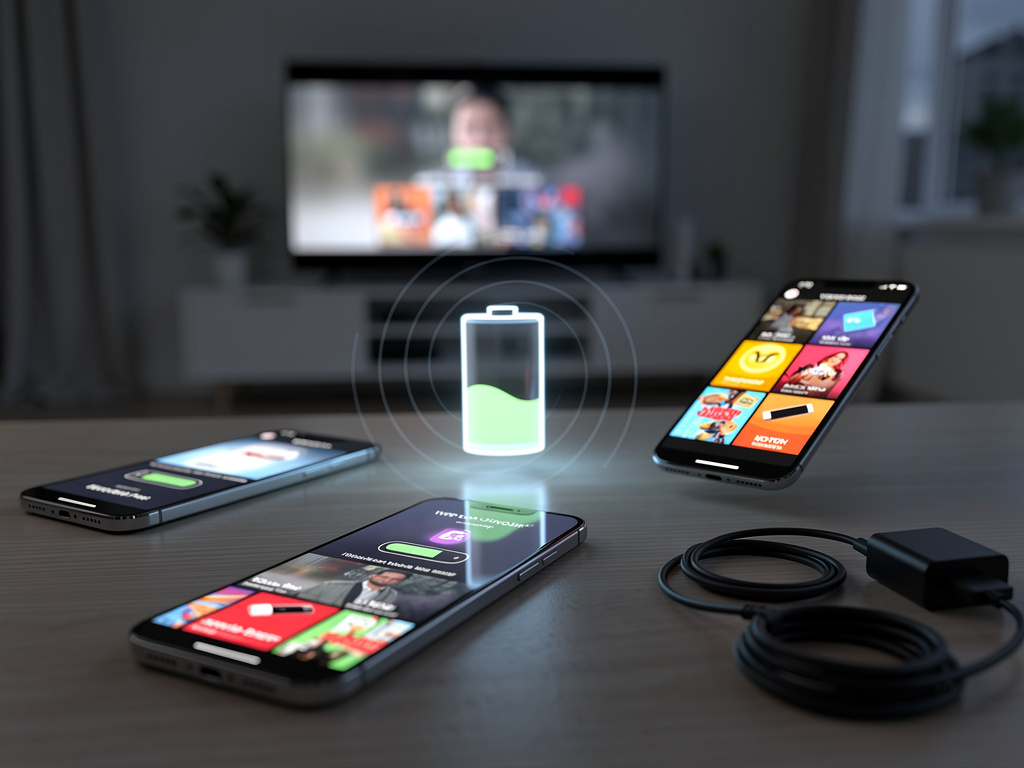
One compelling anecdote comes from a tech enthusiast who challenged themselves to make their smartphone battery last an entire day by altering video consumption patterns. As detailed in an article from MakeUseOf, the experiment involved reducing mindless scrolling on platforms like TikTok and YouTube, opting instead for more intentional viewing sessions. By limiting video playback to essential content and employing battery-saving techniques such as lowering screen brightness and using offline downloads, the user not only extended their device’s runtime but also discovered a more mindful approach to media intake.
This personal shift mirrors larger patterns observed across user bases. According to a report from Harmony Healthcare IT, Americans average over five hours of daily phone screen time, with Generation Z pushing that figure even higher. Such extensive usage directly correlates with increased video consumption on mobile devices, where short-form clips dominate but longer formats are gaining ground through optimized apps.
The Rise of Mobile-First Video Strategies
Industry analysts are noting a surge in video strategies tailored specifically for smartphones. A study highlighted in Synthesia reveals that by 2025, video content will account for a significant portion of online traffic, much of it viewed on mobile screens. This trend is driven by platforms adapting to user preferences, such as vertical video formats that fit naturally in hand-held orientations. Content creators and marketers are responding by producing bite-sized videos that capture attention quickly, recognizing that mobile users often multitask or watch in short bursts.
Pew Research Center’s data on mobile device adoption, as outlined in their fact sheet, shows that nearly all American adults own a smartphone, facilitating this on-the-go connectivity. This widespread adoption has led to innovations like adaptive streaming, where video quality adjusts based on connection speed to prevent buffering, enhancing the user experience during commutes or downtime.
Furthermore, trends from Zebracat indicate that streaming preferences are evolving, with users favoring personalized recommendations powered by algorithms. These systems learn from viewing history to suggest content, keeping users engaged longer on their devices and inadvertently boosting overall screen time.
Impacts on Battery Life and User Behavior
The battery drain from constant video streaming is a common pain point, prompting users to seek workarounds. In the MakeUseOf piece, the author describes switching to apps with efficient codecs and enabling data-saving modes, which not only conserved power but also encouraged curation over endless feeds. This approach highlights a growing awareness of digital fatigue, where excessive video watching leads to diminished attention spans.
Recent news underscores potential downsides, particularly for younger audiences. An ABC News report from ABC News discusses how short-form videos, prevalent on smartphones, may harm children’s cognitive development by fostering constant distractions. Similarly, a piece in Connected to India points to social media’s role in reducing focus among kids, attributing it to the rapid-fire nature of mobile content.
On a positive note, emerging research suggests benefits for older users. A study covered in Women’s Health finds that after a certain age, moderate device usage, including video watching, could support brain health by providing mental stimulation and social connections through video calls or educational content.
Shifting Cultural Norms Around Screens
Cultural shifts are evident in how societies are pushing back against unchecked screen time. The Guardian’s John Harris notes in a recent column at The Guardian a growing trend of people ditching digital interfaces for real-world experiences, such as nightclubs banning phones to encourage presence. This backlash is partly fueled by the dominance of mobile video, which keeps users glued to screens even in social settings.
ScienceAlert echoes concerns about short videos’ effects on children’s brains in their article at ScienceAlert, emphasizing how these formats, optimized for smartphones, create addictive loops that alter neural pathways. Meanwhile, insights from Odisha News Insight delve into real-life stories of digital well-being, illustrating how excessive mobile video consumption can lead to sleep disruptions and anxiety.
The television industry is adapting too, as producers cater to second-screening habits where viewers glance at phones while watching shows. A Sydney Morning Herald piece at Sydney Morning Herald explains how this divided attention is prompting faster-paced narratives and interactive elements to retain viewer focus.
Technological Innovations Driving Change
Technological advancements are accelerating these trends. Posts on X, formerly Twitter, highlight smartphones surpassing TVs as the primary screen for new video content, as shared by Pop Crave in a 2024 update. This sentiment aligns with vidIQ’s report on YouTube’s massive TV streaming hours, indicating a blend of mobile and large-screen viewing, but with mobile leading in portability.
Battery technology is evolving to meet demands, with X users like Sanju Choudhary predicting slimmer phones with over 7000mAh capacities and higher refresh rates for smoother video playback. Sam Bowman’s post envisions 2025 as the year smartphones centralize life activities, including watching full movies on small screens, a notion supported by increasing screen resolutions and foldable designs.
Dr. Sanjiv Goenka’s X thread discusses how streaming has made sports more accessible on mobiles, with nearly half of viewers opting for phone-based watching. This democratization extends to other genres, as noted in Binge Watch This’s prediction of Disney+ overtaking Netflix by subscriptions, largely driven by mobile apps.
Industry Responses and Future Projections
Content platforms are responding by prioritizing mobile optimization. David Dembowski’s X post on multi-platform success emphasizes live sports’ role in engaging audiences across devices, with spikes in viewership during events like football seasons. Vikram Lingam’s insights point to AR glasses as the next evolution, but for now, tri-fold phones like Huawei’s Mate XT are bridging gaps by offering larger screens for video without sacrificing portability.
Pune Mirror’s X update contrasts OTT platforms’ growth with theaters’ experiential hold, suggesting a hybrid future where mobile viewing complements big-screen immersion. Lokesh Garg’s learnings from app development stress that users prefer audio-supplemented visuals over text, influencing video-centric designs.
Kevin Jon on X observes a shift toward deliberate YouTube watching, akin to Netflix binging, which could lead to longer-form content thriving on mobiles. Muoma Obinna highlights how tech changes filmmaking, with short-form king on phones but direct-to-audience models empowering creators.
Evolving User Experiences and Well-Being Considerations
User experiences are becoming more immersive with features like spatial audio and haptic feedback tailored for mobile video. However, the American College of Pediatricians warns in their report at American College of Pediatricians about screen time’s impacts on families, advocating for balanced usage to mitigate negative effects on development.
Yans Media’s mobile video statistics at Yans Media underscore must-know facts for marketers, such as the exponential growth in mobile video ads that capitalize on these habits. Vidico’s trends at Vidico advise tailoring strategies to this mobile dominance, ensuring content remains relevant amid rapid changes.
As we look ahead, the interplay between smartphone capabilities and video habits promises further innovations. From AI-driven personalization to sustainable battery tech, the focus remains on enhancing engagement while addressing health concerns. This ongoing evolution invites users and creators alike to reflect on their digital diets, fostering a more intentional relationship with the screens in our pockets.
Navigating the Balance in a Video-Saturated World
Balancing the allure of endless video streams with real-world interactions is key. Initiatives like app limits and digital detoxes, inspired by experiments like the one in MakeUseOf, are gaining traction. Industry insiders predict that as 5G and beyond enable seamless high-definition streaming, mobile video will only grow, but with smarter tools for moderation.
Posts on X reflect optimism, with users forecasting integrated ecosystems where phones handle everything from banking to entertainment. Yet, the cautionary tales from news sources remind us of the need for vigilance, especially regarding vulnerable groups.
Ultimately, this smartphone-driven video revolution is redefining not just how we watch, but how we live, connect, and create in an increasingly digital world. By leveraging insights from diverse sources, from personal blogs to global studies, we can navigate these changes thoughtfully, ensuring technology enhances rather than overwhelms our daily experiences.


 WebProNews is an iEntry Publication