
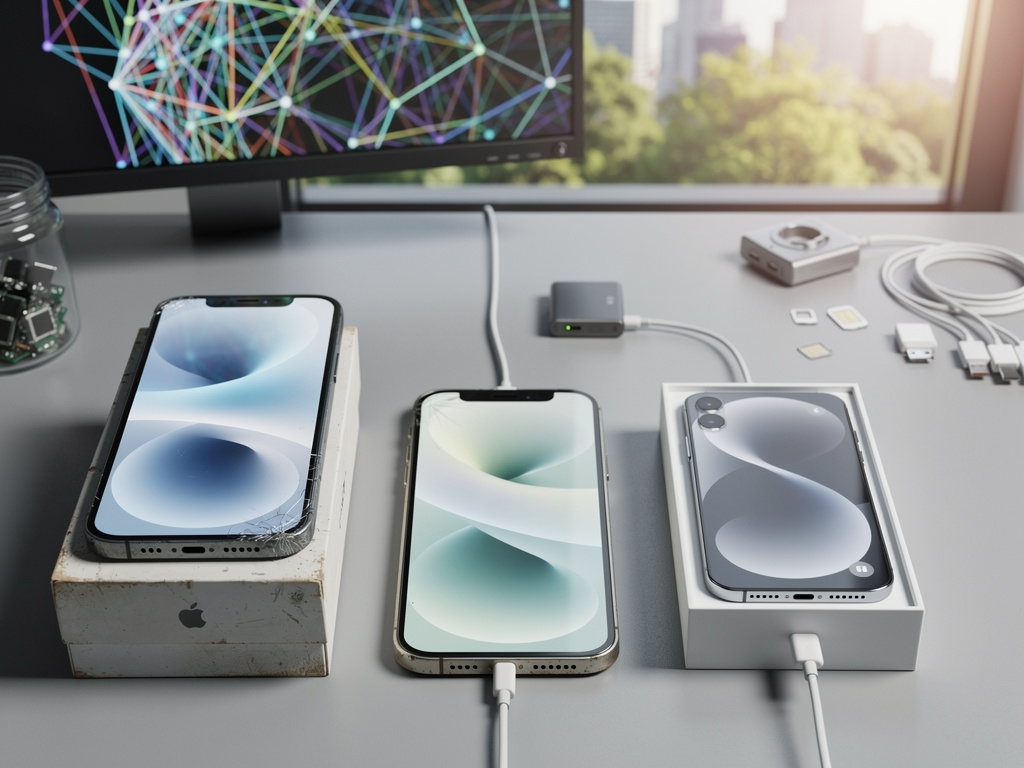
Why Your Next Smartphone Upgrade Might Wait Until 2028
In an era where technological advancements seem to accelerate daily, a surprising trend is emerging among smartphone users: they’re keeping their devices longer than ever before. A recent poll by Android Authority reveals that nearly half of respondents—49.3% to be precise—now wait at least three years before upgrading their phones. This shift marks a significant departure from the days when annual upgrades were the norm, driven by flashy new features and aggressive marketing. The survey, which garnered over 10,000 responses, highlights a growing consumer preference for longevity over novelty, influenced by factors like improved device durability, economic pressures, and evolving software support.
The data paints a clear picture of changing habits. Only 12.4% of participants upgrade every year, a stark contrast to the 20.9% who do so every two years, and the dominant group holding out for three or more years. This elongation of the upgrade cycle isn’t isolated; it’s corroborated by industry analyses. For instance, posts on X (formerly Twitter) from tech influencers like Yogesh Brar indicate that the average upgrade cycle has stretched to three years, up from 9-12 months just a few years ago. Users cite better mid-range options and extended software updates as key reasons for this stickiness.
Economic factors play a pivotal role here. With flagship smartphones often exceeding $1,000, consumers are weighing the cost-benefit ratio more carefully. The Counterpoint Research forecast for 2026 predicts a 2.1% decline in global smartphone shipments, attributed to rising component costs like DRAM, which are pushing bill-of-materials expenses higher. This cost pressure is felt across price bands, making upgrades less appealing unless absolutely necessary.
The Durability Revolution
Smartphone manufacturers have responded to consumer demands by enhancing device robustness. Features like larger batteries, tougher materials, and better water resistance are now standard, as noted in a Moneycontrol year-end review of 2025 trends. Brands focused on durability and AI integration, shifting away from mere spec wars to practical improvements that extend usable life. This means a two-year-old phone can still handle demanding tasks without lagging, reducing the urgency to replace it.
Software support has also evolved dramatically. Companies like Samsung and Google now offer up to seven years of updates, ensuring devices remain secure and functional long-term. An X post from user Wvisioncreation details how battery capacity degrades over four years—from 95% to 65%—yet many users find this acceptable with proper maintenance. The Android Authority poll echoes this, with respondents praising longer support cycles as a reason to delay upgrades.
Moreover, environmental consciousness is influencing decisions. Consumers are increasingly aware of e-waste, preferring to maximize their current device’s lifespan. A report from TS2 Tech mentions that users hold onto phones for about 3.5 years on average, driven by sustainable design trends and regulatory pressures on repairability.
Economic Pressures and Market Shifts
Inflation and global economic uncertainty have made big-ticket purchases like smartphones less frequent. The NielsenIQ insights for the 2025 market, as detailed in their report, point to premiumization and mid-range growth, but also note shifting consumer behaviors amid slowdowns. People are prioritizing value, opting for repairs or refurbished models over new buys. In India, for example, X user Aviral Bhatnagar highlights that one in five phones is refurbished, growing 15% annually, appealing to budget-conscious buyers.
This trend is global. Counterpoint Research’s quarterly market share data shows Samsung leading with 19% in Q3 2025, bolstered by strong flagship performance, yet overall shipments are plateauing. Apple’s 9% year-over-year growth in the same period, driven by the iPhone 17 series, suggests that compelling innovations can still spur upgrades, but only for a segment of the market.
The rise of AI and integrated features is another double-edged sword. While on-device AI, as discussed in DIYFixTool’s overview, enhances functionality, it also means older devices can receive AI updates via software, diminishing the need for hardware refreshes. Forbes’ look ahead to 2026 trends reinforces this, predicting AI-driven upgrades that make devices feel smarter without requiring a new purchase.
Consumer Sentiment and Behavioral Insights
Diving deeper into user feedback, the Android Authority survey reveals nuanced reasons for delayed upgrades. Many cite satisfaction with current performance—cameras are “good enough,” batteries last longer, and apps run smoothly. X posts from users like Abhishek Singh argue that flagships from 2022 still hold up in 2024 and beyond, advocating for a minimum four-year usage cycle.
Regional differences add layers to this narrative. In emerging markets like India, Utsav Techie’s X post notes an average upgrade cycle exceeding 36 months, influenced by economic factors and reliable mid-tier options. Nitin Sinha’s response on X emphasizes practical choices: a ₹2,000-3,000 battery replacement is preferable to 24-month EMIs for a new device.
Conversely, in mature markets, the allure of foldables and advanced designs tempts some to upgrade sooner. Android Central’s 2025 report card mentions the rise of foldables as a potential disruptor, offering seamless transitions between phone and tablet modes, though affordability remains a barrier.
Industry Responses and Future Implications
Manufacturers are adapting by emphasizing trade-in programs and financing to encourage upgrades. Samsung’s Galaxy series, as per Jason C.’s X analysis, faces challenges in justifying annual refreshes due to incremental changes, pushing consumers toward longer cycles. This could lead to a market where innovation focuses on modularity and upgradability, like user-replaceable parts to extend life.
Looking ahead, the memory shortage highlighted in Counterpoint Research’s forecast may further inflate prices, reinforcing the hold-onto-what-you-have mentality. Yet, breakthroughs in areas like satellite connectivity and enhanced AI could create must-have features that shorten cycles for enthusiasts.
For retailers and operators, this means shifting strategies toward accessories, services, and ecosystem lock-in. NielsenIQ’s insights suggest navigating these challenges by leveraging data on consumer behaviors to tailor offerings, such as bundled repairs or subscription models.
The Broader Ecosystem Impact
The prolonged upgrade cycle affects not just sales but the entire supply chain. TS2 Tech’s report on 2025 market shake-ups notes geographic shifts in manufacturing, with India poised to produce 20% of global phones, amid chip shortages and trade tensions. This realignment could stabilize costs but also introduce new variables in device availability.
Refurbished markets are booming as a result. In regions with high iPhone adoption, their durable hardware makes them prime for resale, as Bhatnagar points out on X. This circular economy reduces waste and democratizes access to premium tech, blurring lines between budget and high-end users.
However, challenges loom for innovation. If consumers upgrade less frequently, R&D investments might slow, potentially stifling breakthroughs. Moneycontrol’s feature on 2025 defining traits—durability, AI, batteries, and slim designs—indicates a pivot to practical enhancements that align with longer ownership.
Evolving User Expectations
Ultimately, this trend reflects maturing user expectations. Early adopters once chased the latest specs, but now, reliability trumps novelty. Realme’s 2021 survey on X, while dated, showed varied cycles, with over 27% waiting more than 24 months—a figure that’s only grown.
Auto Techie’s X exchange debates iPhone longevity, claiming average users change every 3.5 years, supported by extended updates. This aligns with Android Authority’s findings, where practicality reigns.
As we approach 2026, per Android Central’s outlook, innovations like advanced AI and supply chain hurdles will test this trend. Yet, if current patterns hold, the three-year cycle may become the new standard, reshaping how we view and value our pocket companions.
Strategic Shifts for Stakeholders
For industry insiders, this data signals a need for recalibration. Investors should eye companies excelling in sustainability and software longevity, as these will capture loyalty in a slower market.
Marketers must craft narratives around enduring value rather than fleeting hype. The Desopinion.com X post in Spanish underscores global resonance, with 49.3% waiting three years, prioritizing investment returns over innovation.
In essence, the smartphone sector is entering a phase of consolidation, where quality over quantity defines success. By understanding these dynamics, stakeholders can better navigate the evolving terrain of consumer tech habits.


 WebProNews is an iEntry Publication