
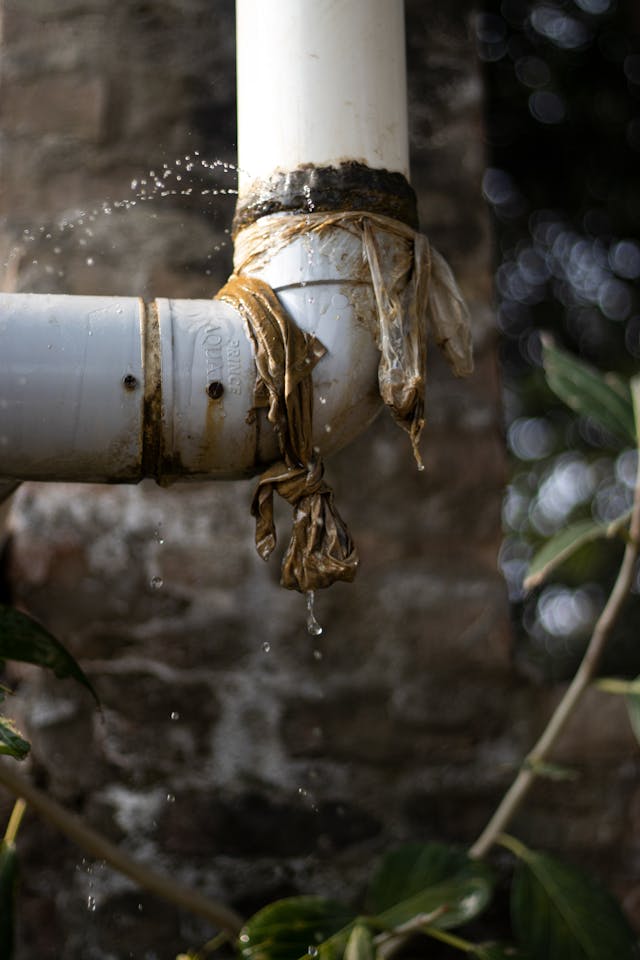
For years, the biggest fear for most homeowners was a house fire. We’ve all been conditioned to check our smoke detector batteries twice a year and keep a fire extinguisher under the kitchen sink. But if you look at modern insurance data, the real “silent killer” of property value isn’t fire—it’s water. In fact, non-weather-related water damage is one of the most common and most expensive types of homeowners’ insurance claims in the country.
Because of this, the insurance industry is undergoing a significant shift. We are moving away from the “fix it after it breaks” model and toward a proactive prevention strategy. Many major carriers are now offering premium discounts, and in some cases, making coverage conditional upon the installation of smart leak detectors. If you’ve received a notice from your insurer lately about “loss mitigation technology,” it isn’t just a suggestion; it’s a response to a multi-billion-dollar problem that is changing how we maintain our homes.
The Rising Cost of “Silent” Leaks
The reason insurers are obsessed with water is simple: it’s sneaky. A fire is immediate and obvious, but a pinhole leak in a copper pipe behind a bathroom wall can drip for six months before you ever see a damp spot on the drywall. By that time, the structural studs are rotting, and black mold has claimed the insulation.
Insurance companies refer to this as “long-term seepage,” and traditionally, many policies have actually excluded coverage for damage that happens over a long period. However, the litigation and cleanup costs associated with these claims have skyrocketed. By requiring smart technology, carriers are trying to stop a $50,000 mold remediation project before it starts by catching a $5 drip on day one.
How Smart Detectors Differ from the “Old Way”
In the past, a “leak detector” was usually just a plastic puck you’d toss under the sink that would beep if it got wet. While better than nothing, those devices were useless if you weren’t home to hear them.
The new generation of smart devices—the ones insurance companies are now mandating—are far more sophisticated. These systems usually fall into two categories:
- Sensor-Based Hubs: Small nodes placed near water heaters, washing machines, and toilets that send an immediate push notification to your smartphone the second they sense moisture.
- Whole-Home Shutoff Valves: These are installed directly onto your main water line. They use ultrasonic sensors to monitor the flow of water. If they detect a flow pattern that looks like a burst pipe (or even a running toilet that won’t stop), they can automatically shut off the water to the entire house in seconds.
The Carrot and the Stick: Why Now?
You might wonder why an insurance company would care enough to offer you a 5% or 10% discount on your premium just for installing a piece of tech. The answer lies in the data. According to Industry Insights from the Insurance Information Institute, water damage and freezing account for nearly 24% of all homeowner insurance losses.
By forcing the adoption of these devices, carriers are essentially “de-risking” their portfolio. For the homeowner, it’s a win-win: you get a lower monthly bill and the peace of mind that you won’t come home from a week-long vacation to find your living room floor under two inches of water.
Avoiding “Claim Denial” Scenarios
Beyond the discounts, there is a more serious side to this insurance alert. Some carriers in high-risk regions are beginning to include “protective device endorsements” in their policy language. This means that if you agree to install a smart leak detection system to get a lower rate, you are contractually obligated to keep it functional.
If a pipe bursts and your system was unplugged or the batteries were dead, the insurer could potentially argue that you failed to maintain the protective measures agreed upon in your policy, leading to a partial or full denial of the claim. This makes choosing a reliable, professional-grade system more important than ever.
A Modern Standard for Home Maintenance
The shift toward smart water monitoring is part of a larger trend in “InsureTech.” Just as cars now have sensors to prevent collisions, our homes are becoming self-aware. Organizations like the National Fire Protection Association have long advocated for integrated safety systems, and water management is finally being treated with the same level of urgency as fire safety.
If you’re looking at your plumbing system today, don’t wait for the letter from your insurance company to arrive. Taking the initiative to install a monitoring system now not only protects your largest financial asset but also puts you in a better position to negotiate your rates when it’s time to renew your policy.
The days of “set it and forget it” homeownership are fading. As climate patterns become more unpredictable and the costs of construction materials continue to rise, insurance companies will continue to lean on technology to minimize their exposure. Smart water detection is no longer a luxury for tech enthusiasts; it is becoming a standard requirement for the modern, responsible homeowner. By embracing these tools today, you’re saving yourself from the physical, emotional, and financial headache of a flooded home tomorrow.


 WebProNews is an iEntry Publication