
Through the Lens: How Smart Glasses Are Revolutionizing TikTok Content Creation in 2025
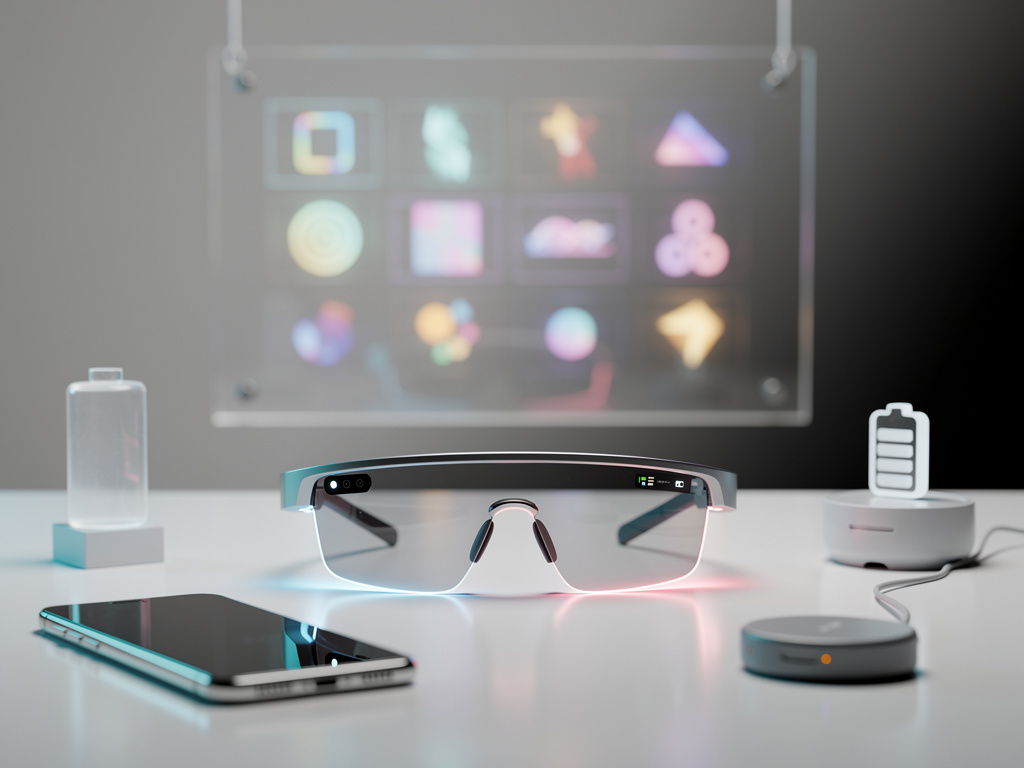
In the fast-paced world of social media, where content creation demands speed and seamlessness, smart glasses are emerging as a game-changer for TikTok users. These wearable devices, blending augmented reality with everyday eyewear, allow creators to capture and post videos hands-free, eliminating the cumbersome steps of traditional smartphone filming. As we approach the end of 2025, this technology is not just a novelty but a pivotal tool reshaping how millions engage with the platform.
The evolution stems from early failures like Google Glass, which stumbled due to privacy concerns and clunky design. Today, companies like Meta and Rokid are leading the charge with sleeker models that integrate directly with apps like TikTok. For instance, Ray-Ban Meta Smart Glasses have gained traction by enabling users to record point-of-view footage effortlessly, syncing it straight to social feeds without manual editing.
This shift is driven by user demand for authenticity. TikTok thrives on raw, in-the-moment content, and smart glasses deliver just that. Creators can film while walking, cooking, or even dancing, capturing genuine experiences that resonate with audiences. Recent data shows a surge in such videos, with hashtags like #SmartGlassesTikTok amassing billions of views.
Seamless Integration Fuels Viral Waves
One standout innovation comes from Rokid, whose latest smart glasses offer multiple camera aspect ratios optimized for social media. This means no more cropping or resizing videos to fit TikTok’s vertical format, a pain point that has frustrated creators for years. As reported in a recent piece by Gizmodo, these glasses streamline the posting process, making it “less annoying” and far more efficient.
Beyond convenience, the tech incorporates AI-driven features that enhance creativity. Real-time overlays provide subtitles, effects, or even teleprompter scripts, turning solo creators into polished producers. Posts on X highlight user excitement, with influencers streaming HD video directly from their glasses to platforms including TikTok, fostering innovations like calorie counters or memory aids built via open-source SDKs.
The trend aligns with broader wearable tech advancements. According to an analysis in TechTimes, smart glasses are revolutionizing daily life through AR trends, from navigation to entertainment, but their social media integration is proving most disruptive.
From Niche Gadget to Mainstream Must-Have
Adoption rates are skyrocketing, particularly among Gen Z and millennial creators who dominate TikTok. A viral trend revived by Ray-Ban Meta glasses, as detailed in Digital Trends, has helped smart glasses shed the stigma of past flops like Google Glass. Users now post immersive content that feels like a window into their world, boosting engagement metrics.
Style plays a crucial role too. Trends on TikTok emphasize fashionable frames, blending Y2K aesthetics with anti-blue light tech. Insights from Accio reveal popular hashtags like #TikTokGlassesTrend, where users showcase oversized or sustainable designs that double as smart devices.
Moreover, accessibility features are expanding the user base. AI-powered glasses providing real-time captions for the deaf or hard of hearing, as noted in various X posts, are making TikTok more inclusive. This not only aids communication but also inspires content around these innovations, creating niche communities.
Innovation Meets User Experience Challenges
However, the rise isn’t without hurdles. Privacy remains a hot-button issue, with built-in cameras raising concerns about unsolicited recording. Regulators are scrutinizing how these devices handle data, especially when integrated with TikTok’s algorithm, which faced turbulence in 2025 as per eMarketer.
Battery life and comfort are other pain points. Early models drained quickly during extended filming, but 2025 updates from brands like Meta have improved endurance, allowing hours of use. User feedback on X praises these enhancements, with posts describing seamless streaming to apps and even OnlyFans, underscoring the tech’s versatility.
On the innovation front, context-aware controls are transforming interactions. Glasses that interface with nearby devices via subtle gestures, as discussed in X threads, enable hands-free posting while managing smart home elements, blurring lines between wearable tech and everyday life.
Market Dynamics and Competitive Edges
The competitive arena is heating up. Meta’s partnership with Ray-Ban has positioned it as a leader, but newcomers like Rokid are challenging with affordable options. A TechCrunch roundup lists top models, emphasizing those with direct TikTok integration as holiday favorites.
Sales figures reflect this boom. Industry reports indicate smart glasses shipments doubled in 2025, fueled by social media tie-ins. TikTok’s own data shows a 40% increase in point-of-view videos, many attributed to these devices, signaling a shift toward immersive content.
Looking at economic impacts, creators are monetizing faster. With reduced editing time, they produce more content, leading to higher ad revenues and sponsorships. Brands are jumping in, sponsoring glasses-enabled challenges that go viral, as seen in trending hashtags.
Broader Implications for Social Media Ecosystems
Beyond TikTok, this tech influences other platforms. X posts reveal users streaming to multiple sites simultaneously, expanding reach. This cross-platform capability could redefine content strategies, making smart glasses essential for influencers.
Health and wellness integrations add another layer. Features like UV protection and voice control, highlighted in product announcements, appeal to outdoor creators filming adventure TikToks. As per LookerOnline, these glasses are set to dominate in 2025 with hands-free tech in healthcare and entertainment.
Critics argue that over-reliance on such devices might dilute creativity, turning organic moments into scripted spectacles. Yet, proponents counter that they empower users, especially those with disabilities, by providing tools like real-time subtitles during conversations.
Evolving Trends and Future Trajectories
Fashion trends are intertwining with tech. Glasses Direct notes the rise of micro styles and sustainable frames dominating TikTok, where aesthetics meet functionality. This fusion is driving viral challenges, with users experimenting with AR filters directly through their lenses.
Predictions for 2026, based on X sentiment and news like Quantum IT Innovation, suggest even deeper AI integrations, such as predictive editing that anticipates viral elements before posting.
Environmental considerations are gaining traction too. Sustainable materials in frames address eco-conscious creators, aligning with TikTok’s green trends. This could lead to a new wave of content focused on ethical tech.
Pushing Boundaries in Content Authenticity
As smart glasses evolve, they’re fostering innovative user experiences. For example, live streaming from glasses offers unfiltered glimpses into daily life, boosting authenticity scores on TikTok’s algorithm. Users report higher engagement, with comments praising the “realness” of such posts.
Challenges persist in global adoption. In regions with strict data laws, features like direct posting face restrictions, potentially slowing growth. However, companies are adapting with localized versions, as seen in recent launches.
The intersection with other wearables, like smartwatches, creates ecosystems where data syncs seamlessly, enhancing posting efficiency. This holistic approach is what insiders see as the next big leap.
Industry Insider Perspectives on Adoption
Executives from Meta have touted these glasses as “the future of social interaction,” emphasizing their role in reducing screen time while increasing connectivity. Interviews in tech publications reveal strategies to integrate more deeply with TikTok’s ecosystem.
User testimonials on X underscore practical benefits, from vloggers capturing spontaneous moments to educators using them for interactive lessons shared on the platform.
Ultimately, as 2025 draws to a close, smart glasses stand at the forefront of a content creation revolution, promising to make TikTok posting not just faster, but fundamentally more intuitive and engaging for creators worldwide. With ongoing innovations, the line between observer and participant in social media continues to blur, heralding an era where technology truly sees through our eyes.


 WebProNews is an iEntry Publication