
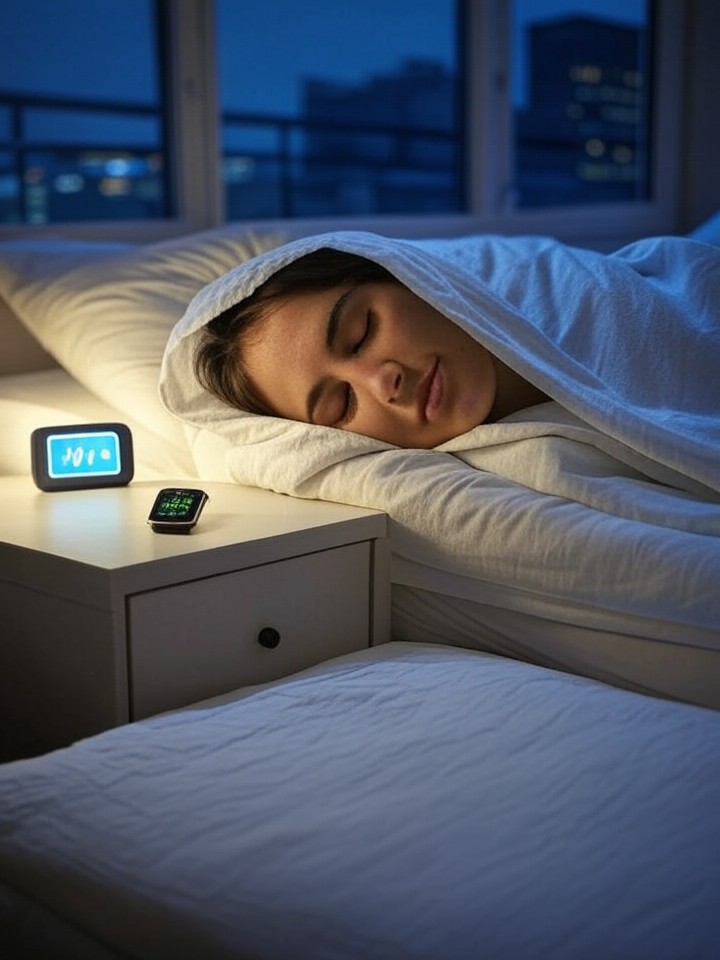
Awakening Careers: The Surge of Sleep Coaching in an Era of Restless Nights
In the quiet hours of the night, when the glow of screens pierces the darkness, a new profession is emerging to guide the weary back to slumber. Sleep coaching, once primarily associated with helping infants establish routines, is now pivoting toward adults grappling with insomnia fueled by modern life’s relentless pace. This shift reflects broader societal changes, where sleep deprivation has become a widespread affliction, costing economies billions and prompting innovative solutions.
Professionals in this field are not medical doctors but trained experts who offer personalized strategies to improve sleep hygiene, often drawing from cognitive behavioral therapy techniques. The demand is surging, driven by factors like increased screen time and stress from global events. According to a report from Global Market Insights, the North America sleep coaching market was valued at $593.7 million in 2024 and is projected to reach $2.1 billion by 2034, growing at a compound annual rate of 13.7%.
This growth is not just numerical; it’s transforming how people approach rest. Sleep coaches work with clients to identify habits sabotaging their nights, from late-night scrolling to irregular schedules, and craft tailored plans. The profession’s evolution mirrors a cultural awakening to the importance of sleep as a pillar of health, akin to diet and exercise.
The Adult Turn in Sleep Guidance
What was once a niche for new parents is now a lifeline for stressed executives and anxious millennials. A recent article in Wired highlights how sleep coaches are increasingly catering to grown-ups overwhelmed by “doomscrolling”—the compulsive habit of consuming negative news online late into the night. This behavior exacerbates sleep anxiety, a trend noted in various wellness reports.
Industry insiders point to the pandemic’s lingering effects, where disrupted routines led to widespread sleep disturbances. Posts on X (formerly Twitter) from users like those shared by wellness accounts underscore this, with many expressing frustration over restless nights tied to digital overload. One such post from a corporate executive described partnering with a sleep-tech startup to provide brainwave-tracking headbands, illustrating how companies are investing in employee rest.
Moreover, the integration of technology is reshaping the role. Apps like Sleepio, mentioned in a New Scientist feature, use AI to deliver cognitive behavioral therapy for insomnia (CBTI), tailoring advice based on user data. This blend of human coaching and digital tools is making the service more accessible and scalable.
The job market for sleep coaches is heating up, with salaries reflecting the demand. Data from Glassdoor indicates that pediatric sleep coaches average $149,264 annually in the U.S., but adult-focused roles are catching up, often commanding premium rates due to the complexity of adult lifestyles.
Training programs are proliferating, with certifications from organizations like the International Association of Professions Career College. Aspiring coaches learn about sleep science, behavioral modification, and even business skills to run independent practices. The field’s low barriers to entry—requiring no medical degree—make it appealing to career changers from wellness, psychology, or even corporate backgrounds.
However, challenges persist. Not all coaches are equally qualified, leading to calls for standardization. Regulatory bodies are beginning to scrutinize the industry, ensuring that advice doesn’t veer into medical territory, which could require prescriptions or diagnoses.
Technological Innovations Fueling Growth
At the heart of this boom is technology’s role in democratizing sleep improvement. Wearables like smart rings and headbands track metrics such as heart rate variability and sleep stages, providing data that coaches use to refine strategies. A post on X from Sahara AI discusses how AI analyzes brain waves and breathing to preempt sleep issues, hinting at future advancements where dreams might even be replayed.
The global sleep tech devices market is poised for explosive growth, with a projected CAGR of 17% by 2032, as per a report from GlobeNewswire via DelveInsight. This surge is driven by rising sleep disorder prevalence, pushing consumers toward non-pharmacological solutions.
Hybrid models are emerging, combining in-person sessions with app-based tracking. For instance, wellness initiatives highlighted in the Global Wellness Institute blog predict that by 2025, sleep anxiety will dominate trends, with AI playing a pivotal role in personalized coaching.
Corporate adoption is another driver. Companies are hiring sleep coaches for employee wellness programs, recognizing that better rest boosts productivity. A tweet from Codie Sanchez notes sleep deprivation’s $411 billion annual cost to the U.S. economy, underscoring the business case.
Yet, this tech infusion raises privacy concerns. Data from sleep trackers could be vulnerable, prompting discussions on ethical AI use in health. Industry experts advocate for transparent data practices to build trust.
Looking ahead, innovations like sleepbuds from companies such as Ozlo, as mentioned in X discussions, promise immersive audio experiences to enhance rest, potentially revolutionizing coaching techniques.
Economic and Societal Impacts
The economic ripple effects are profound. As sleep coaching expands, it creates jobs not just for coaches but in related sectors like app development and device manufacturing. A Mintel analysis reveals growing consumer desire for better sleep, yet satisfaction lags, opening opportunities for specialized services.
In North America, the market’s rapid expansion, as detailed in another GlobeNewswire release, is fueled by demand for wellness-oriented, hybrid coaching models that integrate virtual and physical elements.
Globally, trends show a shift toward holistic health, with sleep at the forefront. The Business of Fashion outlines how holistic wellness themes for 2026 emphasize sleep as integral to overall wellbeing, influencing beauty and fashion industries too.
Labor market dynamics are shifting as well. A Small Business Trends piece on LinkedIn research reveals 80% of workers feel unprepared for future jobs, including emerging roles like sleep coaching, which blend health tech and personal development.
This unpreparedness highlights the need for upskilling. Educational platforms are responding with courses on sleep science, preparing a new workforce for this niche.
Societally, better sleep could mitigate issues like mental health crises and reduced productivity. Coaches often address underlying causes, such as work stress, promoting a cultural reevaluation of rest.
Challenges and Future Directions
Despite optimism, hurdles remain. Affordability is a barrier; sessions can cost hundreds per hour, limiting access to affluent clients. Efforts to scale through apps aim to democratize services, but efficacy varies.
Skepticism about non-medical interventions persists, though evidence from studies supports CBTI’s effectiveness. The Healthcare Digital projections for SleepTech 2026 emphasize cybersecurity in health tech, a critical concern as data-driven coaching grows.
Diversity in the field is another area for improvement. Most coaches are women, often from pediatric backgrounds, but expanding to include more men and diverse ethnicities could broaden appeal.
Looking to 2026 and beyond, integration with broader health ecosystems is likely. Imagine sleep data syncing with fitness apps or even medical records, creating comprehensive wellness profiles.
Policy makers might incentivize sleep health initiatives, similar to mental health programs, recognizing its public health impact.
Personal stories abound, like the X post from a traveler who turned insomnia into a consulting business, inspiring others to enter the field.
Voices from the Frontlines
Industry pioneers share insights on this evolution. One coach, featured in Wired, describes guiding clients through “sleep divorces”—partners sleeping separately for better rest—as a practical solution to common issues.
On X, discussions from users like Austin Schlessinger highlight sleep tech’s $12 billion-plus market, growing 20% annually, yet persistent deprivation affects one in three people.
These anecdotes underscore the human element: coaching isn’t just about data; it’s about empathy and behavioral change.
As the market matures, collaborations between coaches and tech firms will likely intensify, leading to more sophisticated tools.
For aspiring professionals, the advice is clear: focus on certification, build a niche (like corporate or athlete coaching), and leverage social media for visibility.
The trajectory suggests sleep coaching will become as commonplace as personal training, integral to modern life.
Broader Implications for Work and Wellness
In a world where work never sleeps, this profession addresses a fundamental need. The People Management outlines 2026 labor trends, including AI disruption and hiring slowdowns, where wellness roles like sleep coaching could provide stability.
Employees benefiting from such programs report higher job satisfaction, reducing turnover.
Ultimately, this rise reflects a societal pivot toward valuing rest, potentially reshaping productivity norms.
Innovations continue, with sleep masks evolving into smart devices, as per an OpenPR forecast of 5.3% CAGR through 2033.
X posts from New Scientist echo the efficacy of app-based therapies, reinforcing tech’s role.
As we navigate these changes, sleep coaching stands as a beacon for those seeking solace in slumber.


 WebProNews is an iEntry Publication