
The Quiet Surge of eSIM: Travel’s Digital Passport and the Devices Fueling Its Rise
In the ever-evolving world of mobile connectivity, embedded SIM technology, or eSIM, is quietly reshaping how we stay connected. Once a niche feature confined to high-end smartphones, eSIMs are now poised for mainstream embrace, driven largely by the demands of international travel and broadening device support. According to a recent analysis, global adoption rates, which hovered at a modest 3% last year, are expected to surpass 5% by the end of 2025, signaling a pivotal shift in telecommunications.
This momentum isn’t accidental. Travelers, weary of exorbitant roaming fees and the hassle of swapping physical SIM cards, are turning to eSIMs for seamless, on-demand connectivity. Startups and telecom giants alike are capitalizing on this trend, offering digital alternatives that activate in minutes via a QR code or app. Investors and analysts remain optimistic, viewing eSIM as a gateway to more flexible, cost-effective global communication.
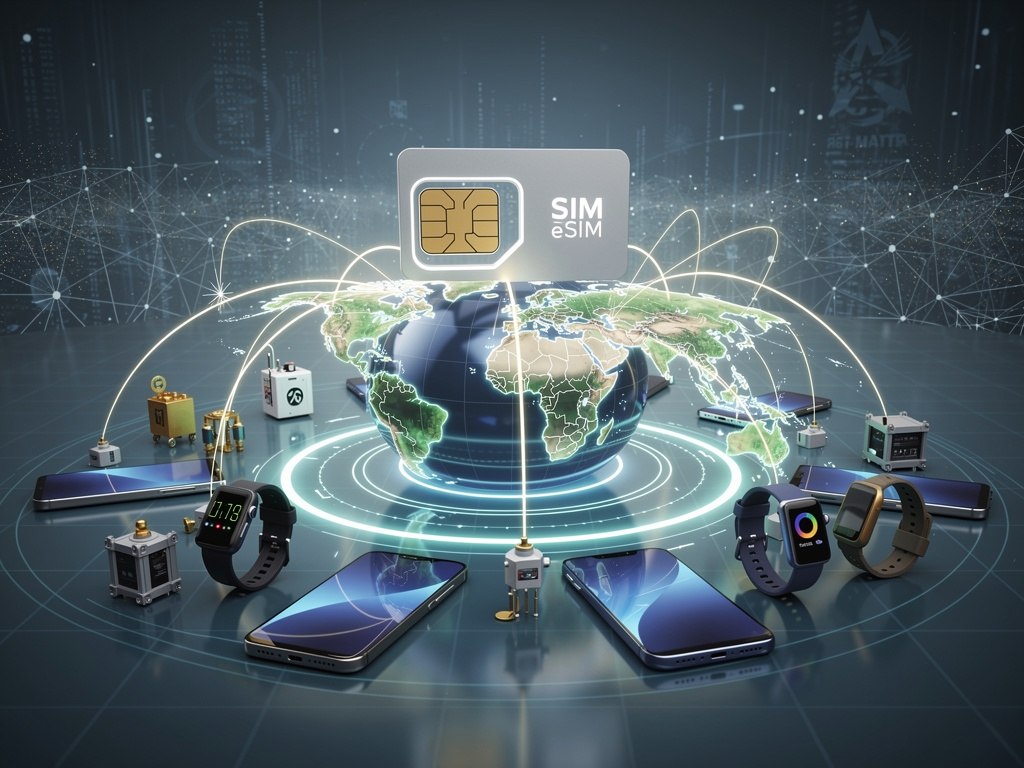
Yet, the story extends beyond convenience. Device manufacturers are accelerating compatibility, embedding eSIM capabilities into everything from wearables to laptops, which broadens its appeal across consumer and enterprise sectors. As 5G networks expand and IoT devices proliferate, eSIM’s role in enabling multi-device ecosystems becomes increasingly vital.
Travelers Lead the Charge in eSIM Uptake
The resurgence of international tourism post-pandemic has been a major catalyst. With projections indicating tourism will exceed pre-2020 levels in 2025, the need for reliable, affordable connectivity has skyrocketed. eSIM providers report that users can save up to 80% on roaming costs, making it an attractive option for globetrotters who switch carriers effortlessly without physical hardware.
Publications like TechCrunch highlight how startups such as those offering instant activation in over 150 countries are thriving amid this demand. Their platforms promise 24/7 support and easy integration, turning smartphones into “global connectivity devices.” This aligns with broader market data showing the travel eSIM segment alone is set to reach $3.08 billion by 2032, growing at a compound annual rate of 9.8%.
Social media sentiment on platforms like X echoes this enthusiasm. Posts from users and providers emphasize eSIM’s role in hassle-free travel, with one account noting its blockchain-powered security for seamless border-crossing data access. Such real-time feedback underscores how eSIM is evolving from a tech novelty to a travel essential.
Device Compatibility Accelerates Market Expansion
Beyond travel, the proliferation of eSIM-compatible devices is a key driver. Major manufacturers like Apple and Samsung have integrated eSIM into their flagship models, phasing out physical SIM slots in some regions. This shift, while controversial— as one X post lamented the “inevitable” end of traditional SIMs—enables dual-SIM functionality without hardware constraints, appealing to users juggling personal and work lines.
Market reports project significant growth. For instance, Grand View Research estimates the global eSIM market will climb from $10.32 billion in 2024 to $17.67 billion by 2033, at a 5.1% CAGR. This expansion is fueled by integration into wearables, tablets, and even connected vehicles, where eSIM facilitates over-the-air updates and remote management.
Enterprise adoption adds another layer. Businesses are leveraging eSIM for machine-to-machine communications, enhancing efficiency in logistics and IoT applications. News from MarketsandMarkets points to regulatory support and innovations like cloud-based platforms as enablers, with 5G rollout amplifying eSIM’s advantages in speed and reliability.
Barriers and Breakthroughs in Adoption
Despite the optimism, challenges persist. Adoption rates remain low in some regions due to limited carrier support and consumer awareness. In developing markets, where physical SIMs dominate, the transition requires education and infrastructure upgrades. Analysts note that while eSIM simplifies connectivity, it demands compatible hardware, potentially alienating users with older devices.
Innovations are addressing these hurdles. The emergence of integrated SIM (iSIM) technology, which embeds connectivity directly into device chipsets, promises to further streamline adoption. X posts discuss this evolution, positioning iSIM as the next step after eSIM, potentially rendering physical cards obsolete.
Startups are bridging gaps with hybrid solutions. For example, products that convert traditional devices to eSIM-compatible ones are gaining traction, as highlighted in recent tech discussions. This adaptability is crucial for widespread uptake, especially as international travel surges and digital nomads demand uninterrupted access.
Economic Implications for Telecom Providers
The economic ripple effects are profound for telecom operators. As eSIM reduces reliance on physical distribution, carriers can cut logistics costs and pivot to digital-first models. Fortune Business Insights forecasts the market growing from $1.46 billion in 2024 to $6.29 billion by 2032, driven by these efficiencies.
This shift also intensifies competition. Traditional providers must adapt or risk losing market share to agile startups offering global plans. News articles from OpenPR describe a 31.4% CAGR in certain segments, attributed to smartphone penetration and connected vehicle trends.
For consumers, the benefits extend to security. eSIM’s digital nature enhances protection against SIM-swapping fraud, with built-in encryption and remote locking features. Providers like AirTalk Wireless, as covered in industry updates, emphasize dual-SIM capabilities that bolster data privacy for travelers and businesses alike.
Regional Variations and Global Trends
Geographically, adoption varies. North America and Europe lead, thanks to advanced infrastructure and high smartphone penetration. In Asia-Pacific, rapid urbanization and 5G investments are accelerating growth, with countries like South Korea and Japan at the forefront.
Emerging markets present untapped potential. In Africa and Latin America, eSIM could democratize connectivity, enabling affordable access in remote areas. Reports from Mobilise Global compile statistics showing over 100 key metrics, including how eSIM is revolutionizing telecom by reducing physical dependencies.
Social platforms reflect regional sentiments. X users in travel-heavy regions praise eSIM for eliminating roaming woes, with posts highlighting coverage in 130+ countries. This grassroots endorsement complements formal analyses, painting a picture of eSIM as a unifier in a fragmented global network.
Innovation Horizons: From eSIM to iSIM
Looking ahead, the trajectory points to deeper integration. The shift toward iSIM, as discussed in tech circles, could embed connectivity at the hardware level, enhancing security and reducing power consumption for IoT devices.
This evolution ties into broader trends like sustainable tech. By eliminating plastic SIM cards, eSIM supports eco-friendly initiatives, a point raised in environmental tech discussions. Market projections from Amra and Elma LLC indicate the sector grew from $7.3 billion in 2021 to $8.34 billion in 2022, with expectations of it becoming a default feature by decade’s end.
Challenges like standardization remain. Industry insiders call for unified protocols to ensure interoperability across carriers and devices. News from Telco Magazine notes how operators are expanding coverage to meet rising demand, positioning eSIM as central to future connectivity.
Strategic Shifts in Consumer Behavior
Consumer habits are adapting rapidly. The convenience of managing multiple profiles on one device appeals to multi-device users, from professionals to families. Travel-focused eSIMs, offering transparent pricing and instant activation, are reshaping expectations around international data.
Enterprise strategies are evolving too. Companies are adopting eSIM for fleet management and remote workforces, leveraging its flexibility for global operations. Insights from Yahoo Finance via DataM Intelligence underscore this, projecting robust growth amid tourism recovery.
On X, promotions from providers like Verum E-SIM illustrate marketing tactics, emphasizing cost savings and ease. These narratives reinforce eSIM’s narrative as a transformative force, blending travel needs with technological advancement.
Regulatory and Security Considerations
Regulatory frameworks are catching up. Governments are encouraging eSIM to foster competition and innovation, though concerns over data privacy persist. Enhanced security features, such as those in eSIM’s architecture, mitigate risks like unauthorized access.
In critical sectors, eSIM enables resilient networks. For healthcare and transportation, its remote provisioning ensures continuity, as noted in sector-specific analyses. Communications Today reports on how digital connectivity is becoming non-negotiable for travelers.
Ultimately, eSIM’s rise reflects a broader digital transformation. As devices and travel habits converge, this technology stands to redefine connectivity, promising a future where borders blur and access is instantaneous.
The Path Forward for eSIM Ecosystems
Stakeholders must navigate integration challenges. Carriers investing in eSIM infrastructure will likely lead, while device makers push compatibility to new frontiers. Projections suggest subscriptions could hit 1 billion by 2025, per X-based tech trend discussions.
Innovation in areas like blockchain-enhanced eSIMs adds layers of security and decentralization. Posts on X from crypto enthusiasts highlight projects like Roam eSIM, merging travel with cutting-edge tech.
As adoption swells, the focus shifts to inclusivity, ensuring eSIM benefits extend beyond affluent users. This holistic approach will solidify its place in the connectivity framework, driving sustained growth through 2030 and beyond.


 WebProNews is an iEntry Publication